
Pull to refresh
Logo
Daily Brief
Following
Why
First woman leads the Church of England

First woman leads the Church of England

Rule Changes
By Newzino Staff | |

Sarah Mullally Becomes Archbishop of Canterbury After 1,400 Years of Male-Only Succession

January 28th, 2026: Mullally Legally Confirmed as Archbishop

Overview

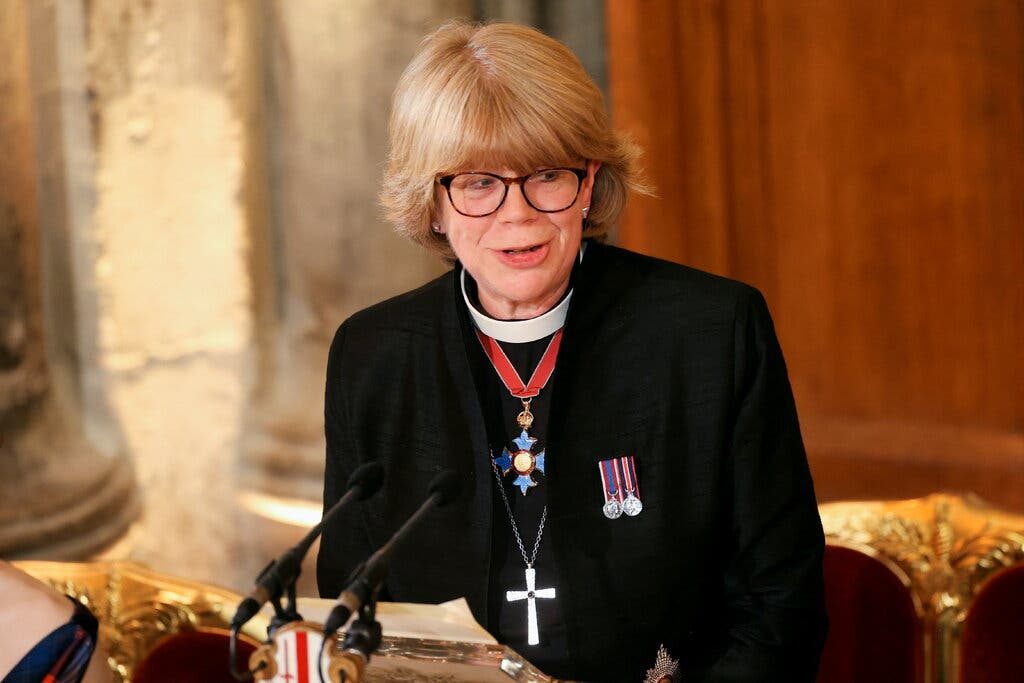
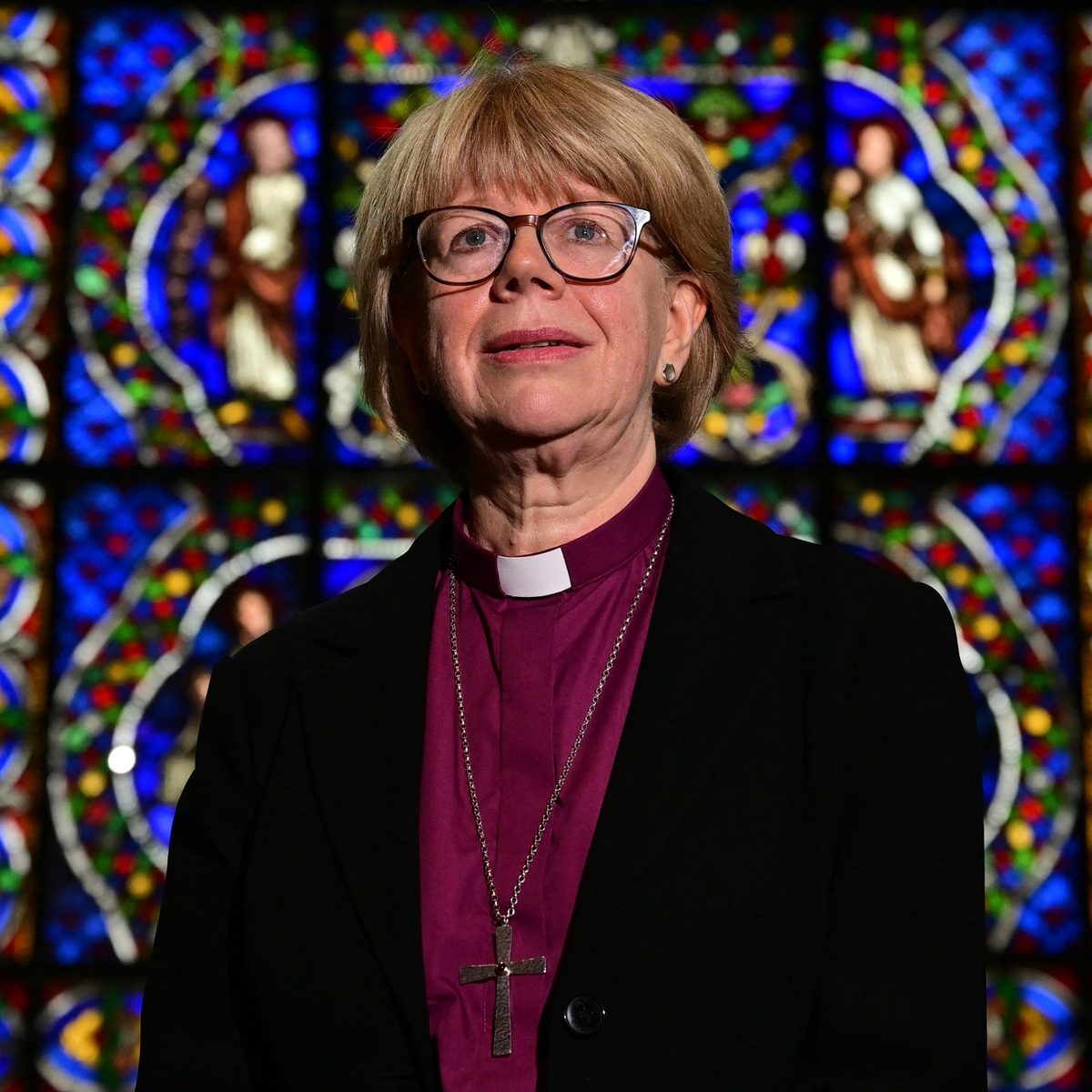
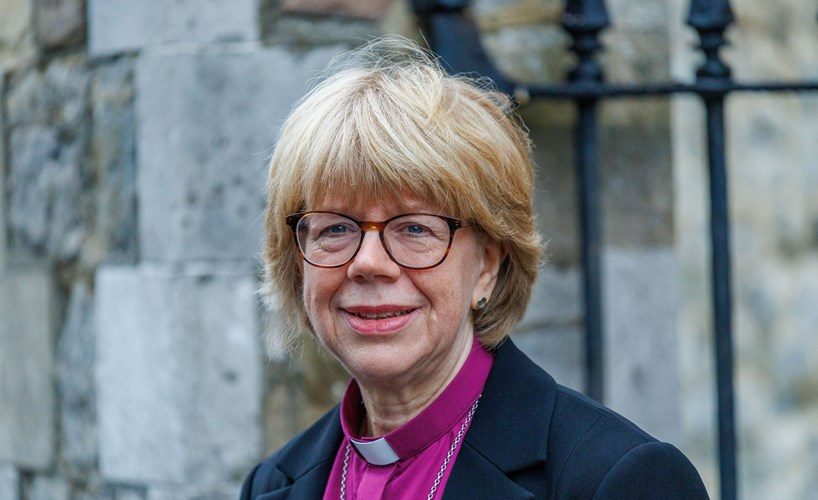
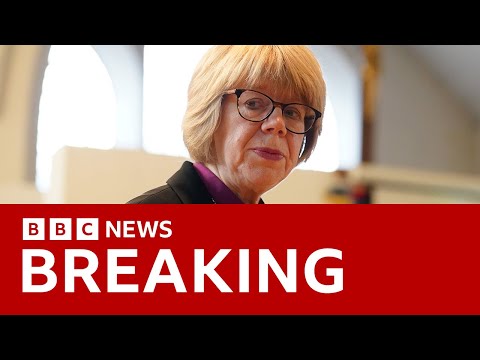
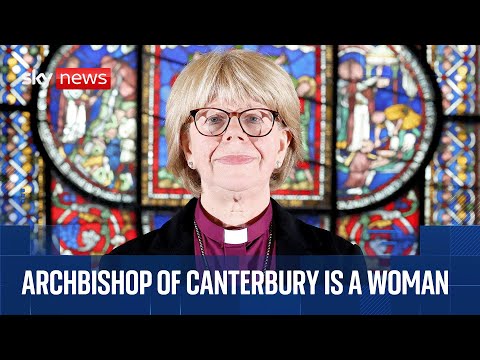
For 1,400 years, only men held the position of Archbishop of Canterbury. On January 28, 2026, Dame Sarah Mullally's legal confirmation at St Paul's Cathedral ended that streak, making her the 106th person—and first woman—to lead the Church of England. She now serves as symbolic head of the global Anglican Communion's 85 million members across 165 countries.

Key Indicators

1,400+
Years of Male-Only Leadership
The Archbishop of Canterbury position was held exclusively by men since the role was established in 597 AD.
106th
Archbishop in Succession
Mullally follows a line stretching back to Augustine of Canterbury in the 6th century.
85M
Anglican Communion Members
Global membership across 165 countries, though roughly half now dispute Canterbury's authority.
17 of 42
Provinces Bar Women Bishops
Forty percent of Anglican Communion member churches have not authorized women to serve as bishops.

Interactive

Exploring all sides of a story is often best achieved with Play.

Dorothy Parker

Dorothy Parker

(1893-1967) · Jazz Age · wit

Fictional AI pastiche — not real quote.

"After fourteen centuries of men insisting God preferred their company exclusively, the Church of England has discovered He's been taking calls from women all along. One can only admire the theological acrobatics required to explain why divine will changes precisely when social pressure becomes unbearable."

Ever wondered what historical figures would say about today's headlines?

Sign up to generate historical perspectives on this story.

Sign Up

Debate Arena

Two rounds, two personas, one winner. You set the crossfire.

People Involved

Dame Sarah Elisabeth Mullally
106th Archbishop of Canterbury (Legally confirmed; formal installation scheduled March 25, 2026)
Justin Welby
Justin Welby
Former Archbishop of Canterbury (105th) (Resigned November 2024 over abuse scandal handling)
Henry Ndukuba
Henry Ndukuba
Primate of the Church of Nigeria (Leading opposition to Mullally; severed ties with Church of England)
Laurent Mbanda
Laurent Mbanda
Chairman of GAFCON (Leading formation of rival "Global Anglican Communion")
Libby Lane
Libby Lane
First Female Bishop in Church of England (Bishop of Derby since 2019)
Emily Onyango
Emily Onyango
First Female Anglican Bishop in Kenya (Bishop of Kericho, serving since 2021)
Thabo Makgoba
Thabo Makgoba
Archbishop of Cape Town (Primate of the Anglican Church of Southern Africa)
Stephen Kaziimba
Stephen Kaziimba
Archbishop of Uganda (Leading opposition to Mullally alongside Nigeria)
Marinez Bassotto
Marinez Bassotto
Prime Bishop of Anglican Episcopal Church of Brazil (One of three women leading Anglican provinces worldwide)
Cherry Vann
Cherry Vann
Archbishop of Wales (One of three women leading Anglican provinces worldwide)

Organizations Involved

Church of England
Church of England
National Church
Status: Mother church of the Anglican Communion; navigating internal and global divisions

The established church of England, with the monarch as its Supreme Governor and the Archbishop of Canterbury as its senior bishop.

Global Anglican Future Conference (GAFCON)
Conservative Anglican Network
Status: Forming rival "Global Anglican Communion" in opposition to Canterbury

A network of conservative Anglican provinces and breakaway groups that oppose progressive policies on sexuality and, in some cases, women's ordination.

Global South Fellowship of Anglican Churches (GSFA)
Conservative Anglican Fellowship
Status: Aligned with traditional positions but not all members support GAFCON's breakaway

A fellowship of predominantly Global South Anglican provinces that uphold traditional positions on marriage and sexuality.

Church of Uganda
Church of Uganda
National Anglican Province
Status: Aligned with GAFCON; opposes Mullally's appointment

One of the largest and most conservative Anglican provinces in Africa, strongly opposed to women bishops and same-sex blessings.

Anglican Church of Kenya
National Anglican Province
Status: Mixed position: ordains women bishops but aligned with GAFCON on sexuality

Kenya has ordained women bishops since 2014 but remains part of GAFCON, representing internal tensions within conservative provinces.

Church in Wales
Church in Wales
National Anglican Province
Status: Progressive province led by female archbishop; supports Mullally

One of three Anglican provinces currently led by a woman, having approved women bishops in 2013.

Timeline

  1. Mullally Legally Confirmed as Archbishop

    Milestone

    At a ceremony in St Paul's Cathedral, Mullally's election is legally confirmed, making her the 106th Archbishop of Canterbury.

  2. Heckler Disrupts Confirmation Ceremony

    Disruption

    A heckler began shouting during the confirmation ceremony at St Paul's Cathedral and was escorted out. The bishops declared no valid objection had been filed, and the ceremony proceeded with Mullally taking her oath of allegiance.

  3. GAFCON Announces Rival Communion

    Schism

    GAFCON declares it will disengage from Anglican Communion structures and form its own "Global Anglican Communion" with separate leadership.

  4. Church of Nigeria Severs Ties

    Schism

    Archbishop Ndukuba calls the appointment "devastating" and declares the Church of Nigeria no longer recognizes the Church of England's leadership.

  5. Mullally Named Archbishop of Canterbury

    Leadership

    Dame Sarah Mullally is announced as the 106th Archbishop of Canterbury, the first woman appointed to lead the Church of England.

  6. Archbishop Justin Welby Resigns

    Leadership

    Welby steps down following the Makin Report, which criticized his handling of abuse allegations against John Smyth.

  7. Mullally Becomes First Female Bishop of London

    Milestone

    Sarah Mullally is installed as the 133rd Bishop of London, the third most senior position in the Church of England.

  8. First Woman Consecrated Bishop in Church of England

    Milestone

    Libby Lane is consecrated as Bishop of Stockport at York Minster, becoming the first female bishop in the Church of England.

  9. General Synod Approves Women Bishops

    Legislative

    After restructuring the proposal, the Synod votes 351-72 to allow women to become bishops in the Church of England.

  10. Women Bishops Measure Fails

    Legislative

    The General Synod rejects legislation to allow women bishops, falling six votes short of the required two-thirds majority among lay members.

  11. First 32 Women Ordained as Priests

    Milestone

    Bristol Cathedral hosts the historic ordination of the first female priests in the Church of England, led by Bishop Barry Rogerson.

  12. Church of England Approves Women Priests

    Legislative

    The General Synod votes to allow women's ordination to the priesthood after decades of debate.

  13. First Female Anglican Bishop Consecrated

    Milestone

    Barbara Harris becomes the first woman consecrated as a bishop in the worldwide Anglican Communion, serving in the Episcopal Diocese of Massachusetts.

Scenarios

1

Communion Holds: GAFCON Split Remains Contained

Discussed by: The Living Church, moderate Anglican analysts, Church of Ireland leadership

The GAFCON breakaway fails to gain universal support among conservative provinces. Churches like the Anglican Church of Congo remain in both GAFCON and the Canterbury-aligned Communion. The Global South Fellowship does not fully join GAFCON's rival structure. Over time, the split becomes another layer of Anglican complexity rather than a clean break, similar to previous tensions that were managed without formal schism.

2

Formal Schism: Two Competing Anglican Communions Emerge

Discussed by: Christianity Today, Religion Unplugged, conservative Anglican commentators

GAFCON's March 2026 meeting in Nigeria succeeds in establishing a formal alternative communion with clear membership, its own primates' council, and a designated first-among-equals leader. Conservative provinces representing 50-80% of global Anglicans shift their primary allegiance to this new body, leaving the Canterbury-aligned communion as predominantly Western and shrinking.

3

Mullally Bridges Divides, Tensions Ease

Discussed by: Episcopal News Service, Church of England communications, moderate voices

Mullally's leadership style—emphasizing "calmness, consistency and compassion"—and her stated commitment to enabling "everyone's ministry and vocation to flourish, whatever our tradition" creates space for reconciliation. Her healthcare background in building consensus and her focus on safeguarding reforms shifts conversation away from sexuality debates toward shared concerns about institutional accountability.

4

African Women Bishops Lead Internal GAFCON Pushback

Discussed by: Religion Unplugged, African Anglican voices like Bishop Emily Onyango

Women bishops within GAFCON provinces—such as Kenya's Bishop Emily Onyango, consecrated in 2021—publicly challenge the network's opposition to female leadership. Internal disagreement over whether the issue is women's ordination or LGBTQ+ policies creates friction that complicates GAFCON's unity. The resulting debate exposes that conservative African Anglicanism is less monolithic than GAFCON leadership suggests.

Historical Context

Barbara Harris Consecration (1989)

February 1989

What Happened

Barbara Harris, a divorced African-American civil rights activist who never attended seminary, was consecrated as suffragan Bishop of Massachusetts—the first woman bishop in Anglican history. Eight thousand people attended the ceremony; 60 bishops participated in the laying on of hands. Harris received death threats and was assigned security, asked to wear a bulletproof vest at public events.

Outcome

Short Term

Conservative provinces protested but remained in communion. Harris served 13 years before retiring in 2003.

Long Term

Her consecration opened a path that led to women bishops across most Western Anglican provinces. The Episcopal Church added her to its calendar of saints in 2022.

Why It's Relevant Today

Harris broke the global Anglican barrier for women bishops. Mullally's appointment completes the arc Harris began, extending it to the Communion's symbolic center—but faces similar conservative opposition now centered in the Global South rather than the West.

Marjorie Matthews Elected Methodist Bishop (1980)

July 1980

What Happened

After 29 ballots at the United Methodist Church's North Central Jurisdictional Conference, Marjorie Matthews—a 63-year-old single mother who entered ministry at 42—was elected the first female bishop of any mainline Protestant denomination worldwide. The New York Times called her "a symbol of progress" for women across Protestantism.

Outcome

Short Term

Matthews served four years overseeing 135,000 United Methodists in Wisconsin before retiring in 1984.

Long Term

Her election accelerated acceptance of women bishops across Protestant denominations, including eventual changes in the Church of England.

Why It's Relevant Today

Matthews demonstrated that major Protestant bodies could accept female episcopal leadership without institutional collapse. The Methodist precedent helped normalize what seemed radical—a pattern Mullally's supporters hope will repeat in global Anglicanism.

Church of England Women Bishops Vote Failure (2012)

November 2012

What Happened

After years of preparation, the General Synod voted on legislation to permit women bishops. Bishops approved 44-3; clergy approved 148-45. But the House of Laity voted 132-74—six votes short of the required two-thirds majority. The measure failed despite majority support in all three houses.

Outcome

Short Term

Archbishop Rowan Williams called the result "very disappointing." The synod was later dissolved and reconstituted. New legislation was drafted.

Long Term

The 2012 failure led to a restructured approach that passed overwhelmingly in 2014 (351-72), enabling women bishops and ultimately making Mullally's appointment possible.

Why It's Relevant Today

The 2012 setback showed that institutional change in the Church of England requires supermajority consensus. The path from that failure to Mullally's appointment took 14 years—suggesting that current GAFCON opposition may delay but not permanently prevent integration.

Sources

(20)