0
I thought lots of scientists don't agree that all of this extreme weather can be attributed to human-caused global warming. Is that not true?
No — the opposite is true: for heatwaves specifically, the scientific case is overwhelming and nearly unanimous, with a 2025 Nature study finding climate change made all 213 major heatwaves since 2000 more likely and more intense.
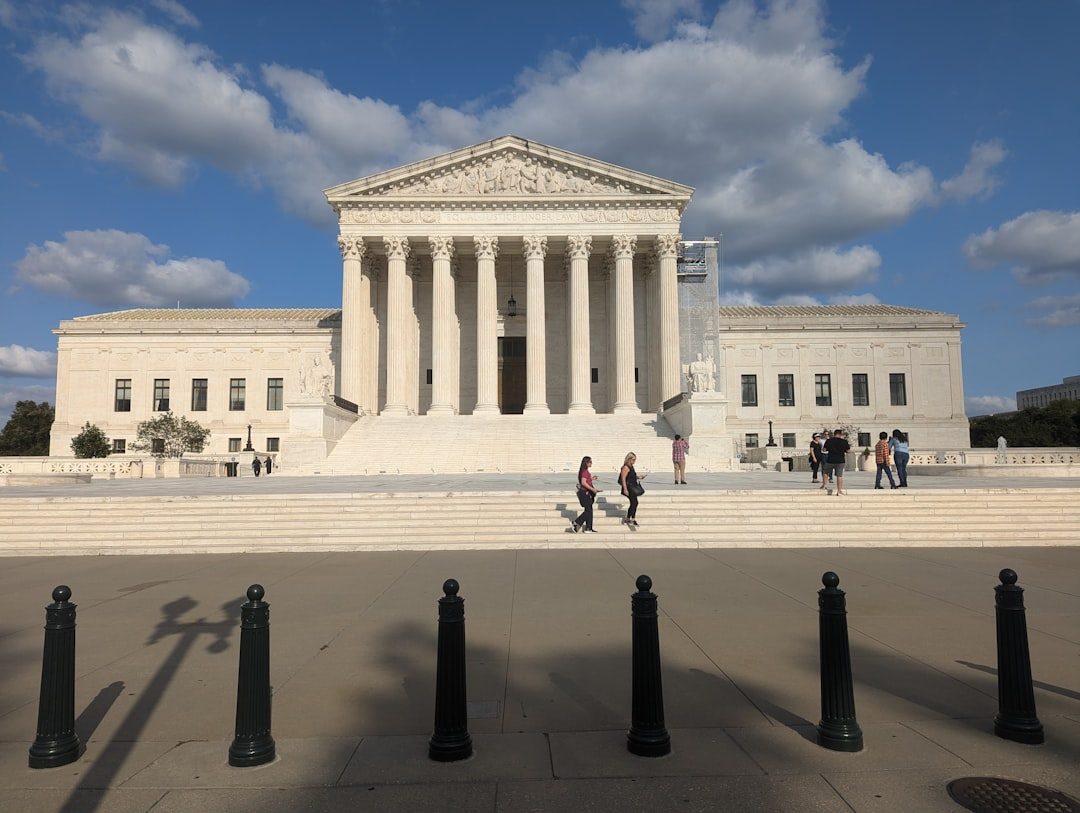
Why it matters: This settled science is the foundation for roughly two dozen active U.S. climate lawsuits, and the Supreme Court hears arguments in October over whether those suits can proceed in state court.
- The Nature study (Sept. 2025) analyzed every major heatwave from 2000–2023 and found human-caused warming increased both the probability and intensity of all 213 — 26% (55 events) became at least 10,000 times more likely, i.e. 'virtually impossible' without climate change.
- The influence is growing: heatwaves were about 20 times more likely in 2000–2009 versus preindustrial levels, but about 200 times more likely in 2010–2019.
- The study also quantified company-level responsibility: emissions from 180 'carbon majors' account for half the increase in heatwave intensity since 1850–1900; the largest emitter (the former Soviet Union) alone made 53 heatwaves at least 10,000 times more likely, and even the smallest made 16.
- Attribution science dates back two decades — groups like World Weather Attribution have built the now-standard framework the IPCC relies on — so this study extends a consensus that was already strong to the level of individual emitters.
- Lead author Yann Quilcaille told Scientific American he 'cannot as a scientist assign legal responsibilities,' but he can state that each carbon major is making heatwaves more intense and more likely — which is precisely the evidence plaintiffs need.
Room for disagreement
- The fossil fuel industry's core legal defense is that causation can't be proven to a legal standard — that's the argument before the Supreme Court. But as Columbia law scholar Jessica Wentz notes, most plaintiffs' suits rest on the claim that companies 'misled the public' about known dangers, implying the attribution science itself is less contested than the companies' conduct.
- Some climate scientists caution that attribution is event-specific: while heatwave links are robust, cold extremes and some storms show weak or even negative climate signals. That nuance is sometimes cited by skeptics to suggest broad disagreement, but it doesn't undermine the heatwave consensus.
AI-generated with web search — may be wrong. Check the linked sources.