


Pull to refresh
Logo
Wärtsilä supplies 282 MW onsite power plant as data centers bypass the grid queue

Wärtsilä supplies 282 MW onsite power plant as data centers bypass the grid queue

Built World

Engine-based generation lets AI facilities come online in 18-24 months, versus years for grid connections

2 days ago: Construction Review reports the 282 MW onsite power order

Overview

Updated 1 hour ago

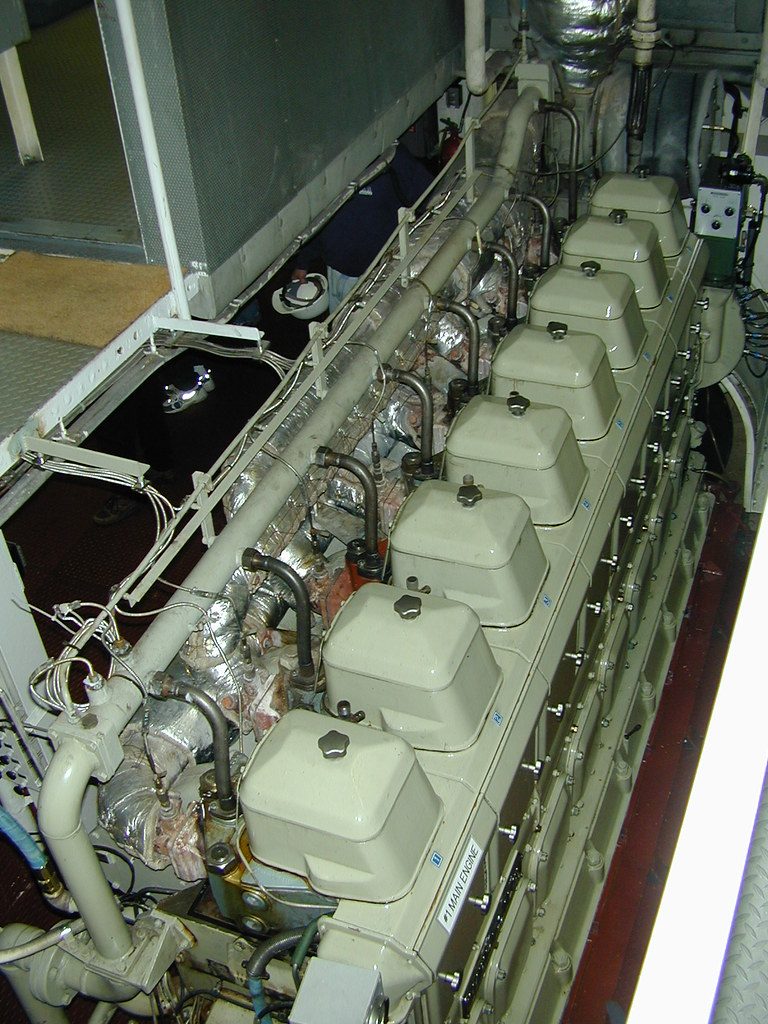
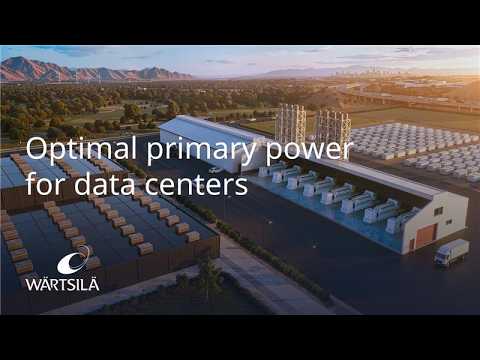
Wärtsilä booked a 282 MW order to power a US data center with 15 natural gas engines. The plant, ordered by a major independent power producer, is scheduled for delivery in 2028 and full operation in 2029.

The order is part of a structural shift. Data center developers are bypassing grid interconnection queues that can stretch 80 months, using onsite engine plants that reach commercial operation in 18-24 months. Wärtsilä has now sold more than 3 GW for US data centers across seven projects.

Why it matters

If behind-the-meter power becomes the norm, data centers stop waiting on grid upgrades — and utilities lose their fastest-growing customer class.

Questions about this story

Free account needed to ask — your question is kept and asked for you right after sign-up. Answers are public.

No questions yet — be the first to ask.

Key Indicators

282 MW
Project size
Onsite power plant for a US data center using 15 Wärtsilä 50SG engines.
3 GW+
Wärtsilä US data center capacity
Total capacity sold across seven US data center projects.
25.5 GW
Forecast behind-the-meter demand
Enverus projects BTM power for new US industrial facilities through 2030, mostly data centers.
15
Engines per plant
Wärtsilä 50SG gas engines in the 282 MW configuration.

Voices

Curated perspectives — historical figures and your fellow readers.

Ever wondered what historical figures would say about today's headlines?

Sign up to generate historical perspectives on this story.

People Involved

Organizations Involved

Timeline

July 2025 October 2026

3 events Latest: 2 days ago
  1. Construction Review reports the 282 MW onsite power order

    Latest Report

    Construction Review reported on the order, noting onsite power is emerging as a way for data center developers to address grid constraints.

  2. Wärtsilä books new 282 MW order

    Order

    Wärtsilä booked a 282 MW onsite power order in Q3 2026 from a major US independent power producer for a data center project.

  3. Wärtsilä announces engines for Ohio data center project

    Announcement

    Wärtsilä announced a 282 MW data center power project in Ohio using 15 gas engines, its sixth US data center order.

Scenarios

1

Wärtsilä delivers 282 MW plant on schedule

Likely Resolves by End of 2029

Discussed by: Wärtsilä's press release states delivery in 2028 and full operation in 2029

The project follows Wärtsilä's stated timeline. Equipment ships in 2028, and the plant reaches full operation in 2029. The independent power producer then sells power to the data center operator under a long-term agreement.

2

Behind-the-meter power becomes the default for new data centers

Likely Resolves by End of 2028

Discussed by: Enverus Intelligence Research forecast

Enverus projects 25.5 GW of behind-the-meter demand from new US industrial facilities through 2030, nearly all from data centers. If this holds, Wärtsilä and competitors like Caterpillar and GE Vernova will see a wave of similar orders.

3

Grid interconnection reforms slow the BTM shift

Unlikely Resolves by End of 2028

Discussed by: PJM and FERC interconnection queue reform efforts

PJM and other grid operators are working to speed up interconnection. If reforms cut average wait times significantly, developers may return to grid connections, slowing the BTM trend.

Historical Context

3 moments from history that rhyme with this story — and how they unfolded.

November 1978

Public Utility Regulatory Policies Act (1978)

Congress passed PURPA, requiring utilities to buy power from independent producers. The law created the first major market for cogeneration and small power plants.

Then

Independent power producers emerged, and natural gas cogeneration boomed in the 1980s.

Now

It broke the utility monopoly on generation and created the independent power industry that now builds data center plants.

Why this matters now

PURPA showed that opening the power market to non-utility generators can transform the industry. Today, grid constraints rather than regulation are driving the same shift.

2000-2001

California energy crisis (2000-2001)

Rolling blackouts and soaring wholesale prices hit California. Hospitals, universities, and tech companies invested in self-generation to keep operations running.

Then

Businesses installed backup and distributed generation to insulate themselves from grid failures.

Now

It demonstrated that grid unreliability pushes large power users to self-generate.

Why this matters now

The same logic applies today: when the grid can't deliver, big customers build their own power. Data centers face delays rather than blackouts, but the response is the same.

August 2003

Northeast blackout (2003)

A cascading blackout on August 14, 2003 left an estimated 55 million people without power across the northeastern US and Canada.

Then

Businesses invested in backup generators and microgrids to protect critical operations.

Now

It accelerated interest in distributed generation and grid resilience.

Why this matters now

The blackout showed how fragile centralized grids can be. Data centers today face a different problem — not blackouts but interconnection delays — and are responding with the same tool: onsite generation.

Sources

(6)