


Pull to refresh
Logo
Construction input prices climb 11.2% annually, fastest in nearly four years

Construction input prices climb 11.2% annually, fastest in nearly four years

Built World

Iran conflict and steel tariffs drive fuel and materials costs, squeezing contractor margins

Today: Construction Dive reports the annual price jump

Overview

Updated 1 hour ago

A contractor pricing a job today carries materials costs 11.2% higher than a year ago, the largest annual climb in nearly four years. Diesel has more than doubled over 12 months, and steel mill products cost 27.6% more.

The causes stack: conflict in Iran keeps pushing fuel prices up, and tariffs on steel and other metals keep biting. Outside the data-center boom, demand is soft, so firms absorb the cost increases rather than pass them on. More than a quarter now expect profit margins to shrink over the next six months.

Why it matters

Every new building and highway now costs 11% more to build than a year ago, and contractors are absorbing the gap.

Questions about this story

Free account needed to ask — your question is kept and asked for you right after sign-up. Answers are public.

No questions yet — be the first to ask.

Key Indicators

11.2%
12-month construction input price increase
September 2026 vs. September 2025, the largest annual jump in nearly four years.
115.2%
12-month diesel fuel price increase
Diesel rose 24.2% in September alone and more than doubled over the year.
27.6%
12-month steel mill products price increase
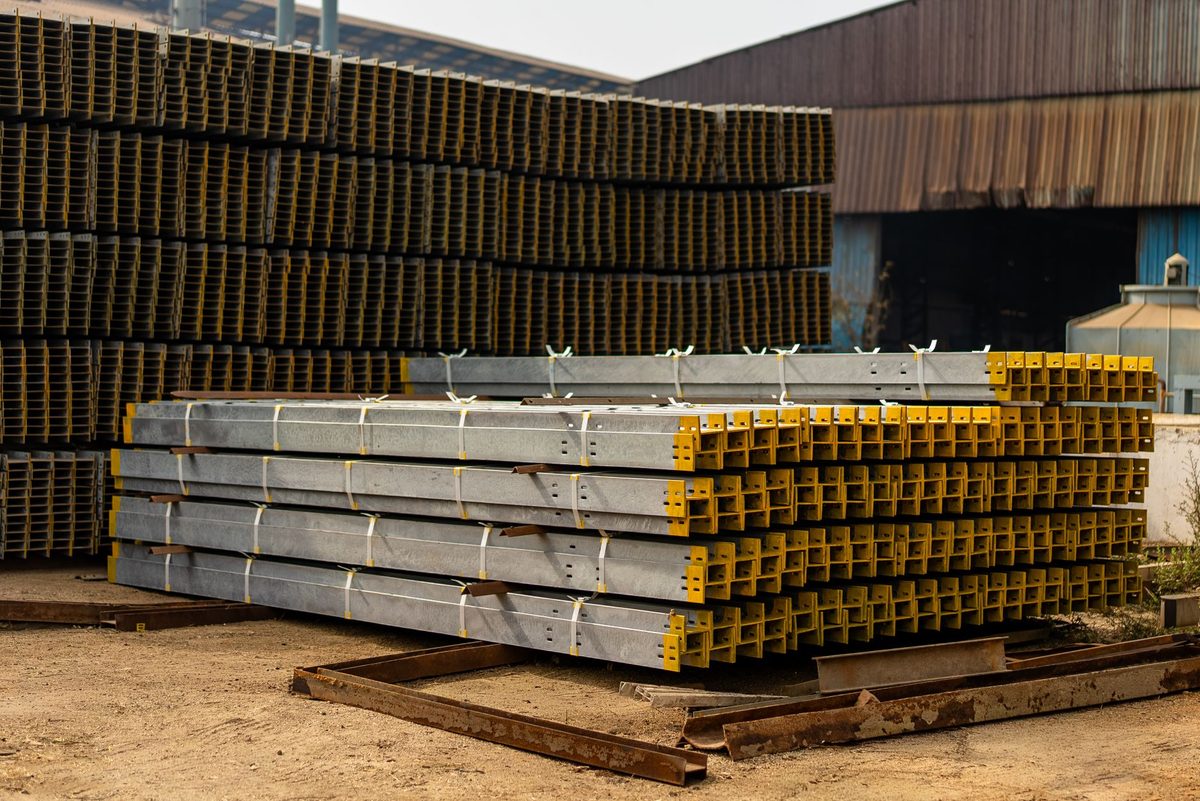
Structural steel is scarce, with supplier order books full through spring 2027.
55%
Contractors reporting canceled or postponed projects
From AGC's summer survey; one-third of respondents blamed rising costs.

Voices

Curated perspectives — historical figures and your fellow readers.

Ever wondered what historical figures would say about today's headlines?

Sign up to generate historical perspectives on this story.

People Involved

Organizations Involved

Timeline

2025 October 2026

5 events Latest: Today
Tap a bar to jump to that date
  1. Construction Dive reports the annual price jump

    Today Report

    The 11.2% annual increase is confirmed as the largest in nearly four years.

  2. BLS releases September PPI data

    Data Release

    Construction input prices up 2.2% monthly and 11.2% annually, the fastest in four years.

  3. AGC survey finds widespread project disruptions

    Report

    55% of contractors report canceled or postponed projects; input costs up 8.9% annually.

  4. Construction input price climb begins

    Data

    After months of flat readings, the goods index starts rising month over month.

  5. Trump administration introduces metal tariffs

    Policy

    Tariffs on steel and other metal products begin pushing up construction input costs.

Scenarios

1

Construction input costs cool below 5% annual by spring 2027

Possible Resolves by Q1 2027

Discussed by: Construction Metrics analysts note the goods index rose 10.8% since January and flag that the pattern could reverse if demand cools

A truce or de-escalation in the Iran conflict pulls crude and diesel prices down, while trade negotiations ease metal tariffs or soften their impact through exemptions. Soft demand outside data centers keeps materials from retightening. Monthly producer price readings flatten and the annual rate falls below 5%.

2

Construction input costs push past 15% annual by spring 2027

Possible Resolves by Q1 2027

Discussed by: AGC economists flag steel order books full through spring 2027 and producers refusing new customers

The Iran conflict deepens or spreads, keeping fuel prices elevated, and tariffs stay in place. Steel shortages worsen as suppliers' order books stay full. Contractors with fixed-price work booked before February absorb the hit, and new bids carry big escalation clauses. The annual input-price rate tops 15%.

3

Project cancellations spread beyond 6 in 10 contractors

Likely Resolves by Q1 2027

Discussed by: AGC's summer survey already found 55% reporting canceled, postponed or scaled-back projects, with one-third blaming costs

As materials stay expensive and delivery times stretch, more owners pull the plug on planned work or push starts into 2028. A follow-up AGC survey shows the share of contractors reporting disruptions climbing past 60%, with cost and availability both cited. Data-center work keeps going, but broad commercial building slows.

Historical Context

3 moments from history that rhyme with this story — and how they unfolded.

2020-2022

Post-pandemic construction cost spike (2020-2022)

Lumber futures more than tripled from spring 2020 to May 2021 as homebuilding demand collided with mill shutdowns and shipping snarls. Steel, copper and PVC prices followed, and builders faced record input-cost inflation.

Then

Contractors added escalation clauses and slowed bids; some projects stalled.

Now

Prices crashed back as mills restarted and the Federal Reserve raised rates, showing how fast an input spike can unwind.

Why this matters now

It is the recent template for a construction-specific cost surge, and for how normalization arrives when supply recovers and demand cools.

October 1973-March 1974

OPEC oil embargo (1973-1974)

OPEC cut oil shipments to the US after Washington backed Israel in the Yom Kippur War. Crude prices roughly quadrupled within months, driving up diesel and material costs throughout the economy.

Then

Energy prices cascaded into broader inflation, including construction costs, and helped push the US into recession.

Now

Fuel-driven cost shocks became a recurring feature of construction economics.

Why this matters now

A geopolitical energy shock feeding directly into construction input prices is the same mechanism driving today's diesel surge from the Iran conflict.

March 2018-2019

Section 232 steel tariffs (2018)

The first Trump administration imposed a 25% tariff on imported steel and 10% on aluminum under Section 232, citing national security. Structural steel prices rose and builders saw higher bid costs.

Then

Some projects absorbed higher steel costs; contractors sought exemptions.

Now

The tariffs largely stayed in place for years, though the USMCA deal and EU negotiations adjusted some terms, showing tariff policy can be eased through negotiation.

Why this matters now

Today's metal-cost climb repeats the 2018 pattern, and 2018 showed the tariffs can be relaxed through trade talks.

Sources

(7)