
Pull to refresh
Logo
Costco rations motor oil as global shortage drives prices up

Costco rations motor oil as global shortage drives prices up

Built World

Kirkland synthetic jumps from $30 to $58 per 10-quart case as Gulf conflict disrupts base oil supply

Today: Saudi pipeline outage threatens 4% of global oil supply

Overview

Updated 2 hours ago

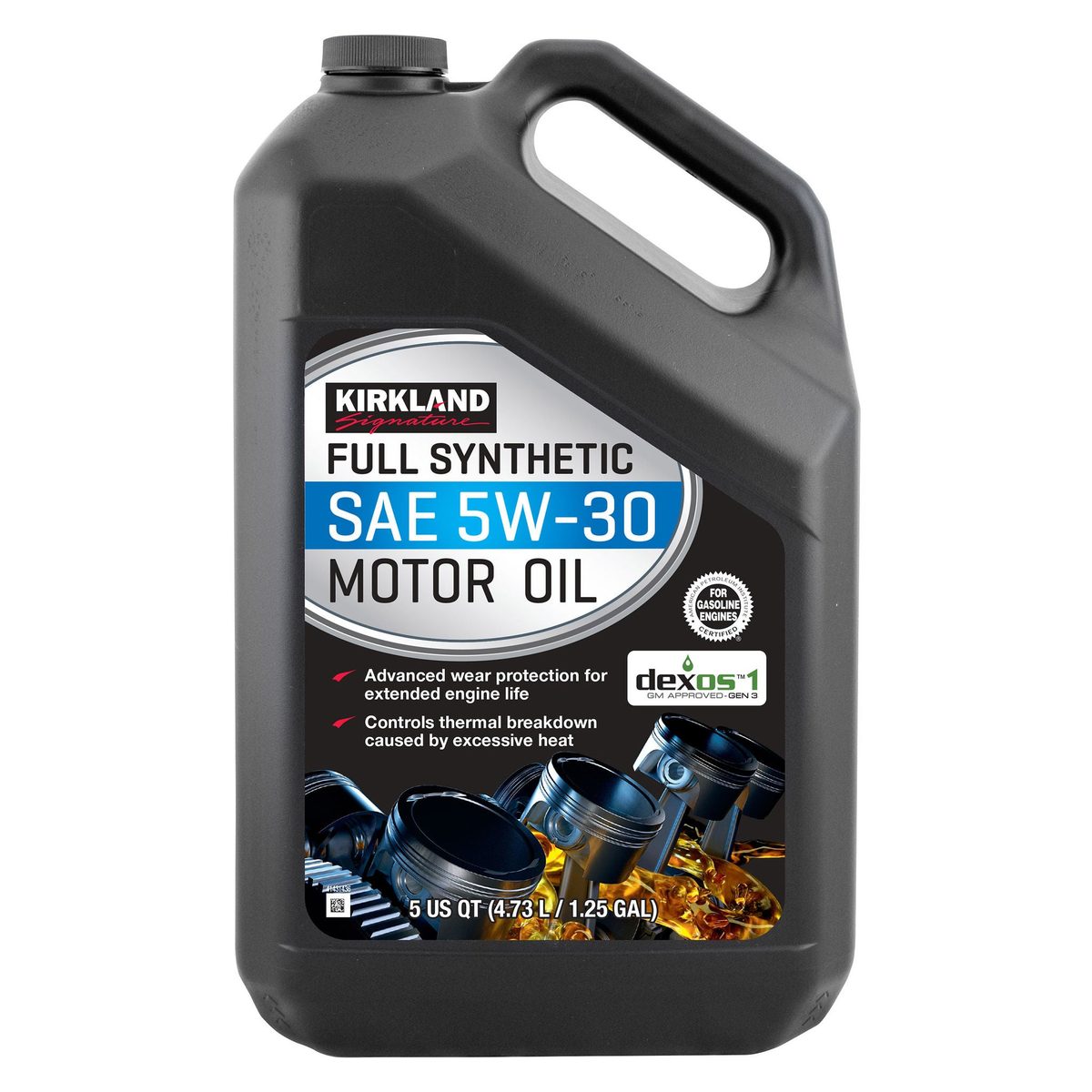
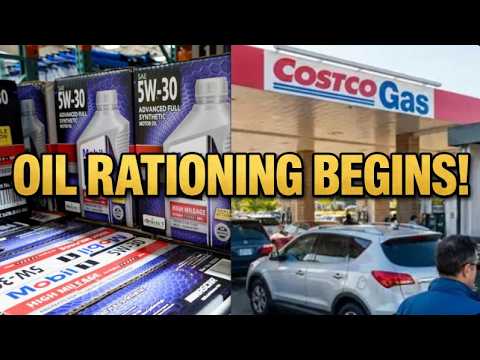
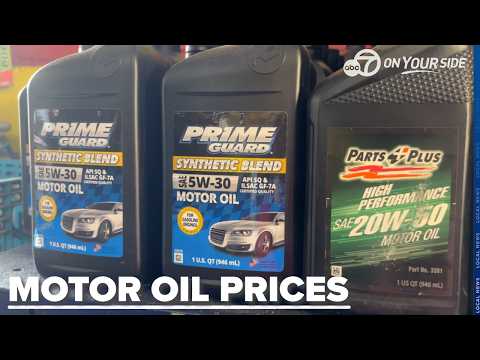
Costco members now pay $58 for a 10-quart box of Kirkland Signature full-synthetic motor oil, up from as little as $30 before the Middle East conflict. The chain imposes a two-box-per-membership limit every seven days — its first motor oil rationing ever.

The US imports nearly 44% of its Group III base oil, the main feedstock for synthetic lubricants, from three Persian Gulf producers: Bapco in Bahrain, ADNOC in the UAE, and Pearl GTL in Qatar. Iranian airstrikes damaged the Qatari plant in March, and disrupted shipping through the Strait of Hormuz has cut much of the rest. Refiners are also prioritizing gasoline over lubricant base stock, since fuel earns higher margins.

Why it matters

Every synthetic-oil user faces higher lubricant prices and tighter retail availability until Gulf shipping and refining economics recover.

Questions about this story

Free account needed to ask — your question is kept and asked for you right after sign-up. Answers are public.

No questions yet — be the first to ask.

Key Indicators

$57.99
Price of 10-quart Kirkland Signature full-synthetic
Up from roughly $30 per case before the current Middle East conflict.
93%
Price increase since pre-conflict baseline
Calculated from the $30 baseline to the current $57.99 listing.
2 units / 7 days
Kirkland Signature purchase limit per membership
Mobil 1 is capped separately at 5 units per member, priced at $44 for six quarts.
44%
US Group III base oil imports from Persian Gulf producers
Imported from Bapco (Bahrain), ADNOC (UAE), and Pearl GTL (Qatar).

Voices

Curated perspectives — historical figures and your fellow readers.

Ever wondered what historical figures would say about today's headlines?

Sign up to generate historical perspectives on this story.

Organizations Involved

Timeline

March 2026 September 2026

3 events Latest: Today
  1. Saudi pipeline outage threatens 4% of global oil supply

    Today Infrastructure

    Damage to the East-West pipeline risks Saudi export capacity within days if not repaired, deepening the oil crisis.

  2. Costco hikes Kirkland synthetic to $58 per case

    Retail

    The warehouse chain raises prices from roughly $30 and imposes a 2-unit weekly purchase limit on Kirkland Signature full-synthetic oil.

  3. Iranian airstrikes damage Qatar's Pearl GTL facility

    Infrastructure

    The gas-to-liquids plant, a major Group III base oil producer, takes heavy damage and faces at least a year of repairs.

Scenarios

1

Gulf conflict eases, Costco lifts rationing

Uncertain Resolves by Q2 2027

Discussed by: Supply chain analysts tracking Strait of Hormuz shipping

If the Middle East conflict de-escalates and Strait of Hormuz shipping resumes, Group III base oil reaches US refiners again. Pearl GTL's damage takes at least a year to repair, but Bapco and ADNOC capacity could cover the gap, letting Costco drop the 2-unit cap and bring prices back toward $40.

2

Shortage intensifies, prices climb past $70

Possible Resolves by End of 2026

Discussed by: Energy analysts at Reuters and industry trackers

If the Saudi East-West pipeline stays down and the Strait of Hormuz remains blocked, the US loses its largest Group III supply sources. Kirkland prices pass $70 per case, limits tighten below 2 units, and out-of-stock events spread.

3

Stable shortage: prices hold in the $45-60 range

Likely Resolves by Q1 2027

Discussed by: Refining industry analysts at the US Energy Information Administration

Gasoline crack spreads normalize as refining capacity comes back online, pushing refiners back toward base oil production. Costco keeps the purchase limit through early 2027 but prices stabilize in the $45 to $60 range as supply partially recovers.

Historical Context

3 moments from history that rhyme with this story — and how they unfolded.

October 1973 - March 1974

Arab Oil Embargo (1973-74)

Arab members of OPEC embargoed oil exports to the US and allies over support for Israel in the Yom Kippur War. Crude prices quadrupled, gasoline lines stretched around stations, and the US imposed price controls and rationing.

Then

Gasoline prices quadrupled and federal price controls created chronic shortages and lines.

Now

The embargo triggered fuel economy standards, the Strategic Petroleum Reserve, and a lasting US push for energy independence.

Why this matters now

Same mechanism as today: a geopolitical conflict in an oil-producing region disrupts supply, and consumers face scarcity and rationing at the retail level.

March-April 2020

COVID-19 Toilet Paper Shortage (2020)

Panic buying emptied shelves as lockdowns began, and Costco imposed per-customer limits on toilet paper, paper towels, and other essentials. The shortage was brief but exposed how demand spikes crush concentrated supply chains.

Then

Costco rationed essentials for weeks until supply chains adjusted to the demand pattern.

Now

Retailers refined their rationing playbook for emergencies, making the 2026 oil cap an established exception rather than a novel move.

Why this matters now

Costco's prior rationing was demand-driven; the motor oil limit extends that pattern to a supply-side disruption in a critical commodity.

February 2021 - June 2022

US Baby Formula Shortage (2021-22)

A recall at Abbott's Sturgis, Michigan plant knocked out about 40% of US infant formula production. By May 2022, out-of-stock rates hit 70% and retailers rationed purchases while the FDA worked to reopen the plant.

Then

Parents faced empty shelves and the federal government airlifted formula from Europe.

Now

The shortage exposed how concentrated production in a few plants turns one facility's disruption into a national crisis.

Why this matters now

Pearl GTL's damage mirrors the Sturgis recall: one critical facility's outage cascades through a concentrated supply chain to retail shelves.

Sources

(8)