Anchor

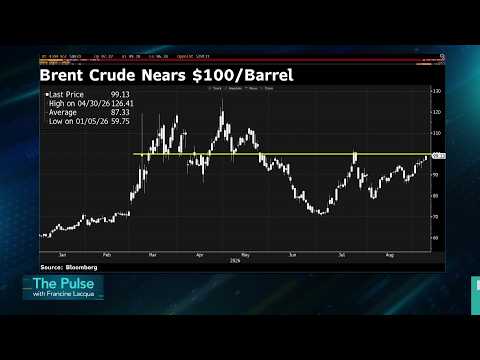
Brent crude nears $100 as Strait of Hormuz shipping halves
Force in PlayHouthi strikes on Saudi oil targets and a US blockade cut tanker traffic through the strait to about half its pre-conflict level.
Today: Houthis strike Saudi oil facilities; Brent nears $100New here? Follow stories to track developments over time. Create a free account to get updates when stories you care about change.
Overview
Updated 1 hour agoBrent crude hit $99.40 a barrel on September 8, its highest level since July, after Houthi rebels launched dozens of missiles and drones at Saudi Arabian oil installations. Commodity trader Vitol estimates that oil flow through the Strait of Hormuz has dropped to about half its pre-conflict level, and analytics firm Kpler counted just 10 cargo ships crossing per day over the prior week — the lowest since May.
Crude is up more than 60% since January. US diesel already tops $5.90 a gallon, and Goldman Sachs warns that intensifying attacks on tankers could drive Brent to $120, a level that would push energy-driven inflation into major importing economies.
Why it matters
If Brent holds near $100, fuel and transport costs climb worldwide, feeding inflation in every economy that imports energy.
Questions about this story
Free account needed to ask — your question is kept and asked for you right after sign-up. Answers are public.
No questions yet — be the first to ask.
Key Indicators
$99.40
Brent intraday high, September 8
Highest price since July 24; Brent last settled above $100 on July 23.
$93.90
WTI price, September 8
US benchmark up more than 2.5% on the day, approaching $95 intraday.
60%
Oil price gain since January
Cumulative Brent appreciation during the conflict.
10 per day
Cargo ships crossing Ormuz daily, last 10 days
Kpler tracking shows the lowest vessel count since May.
$85
Goldman Sachs Brent forecast, December 2026
Bank raised its projection by $5; warns of $120 in a renewed attacks scenario.
$5.90
US diesel price per gallon
Above $5.90, raising inflation expectations in the United States.
Related Media
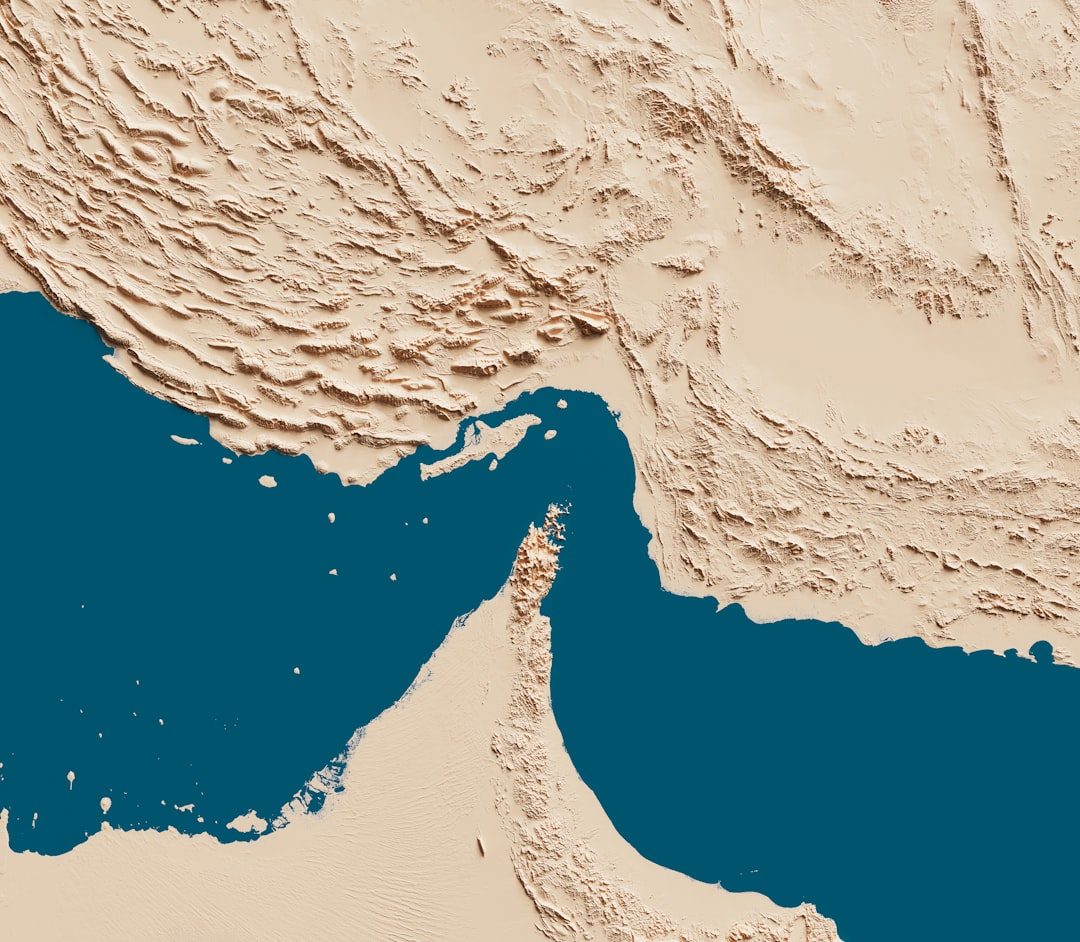
Strait of Hormuz - youtube.com/@planetvolumes
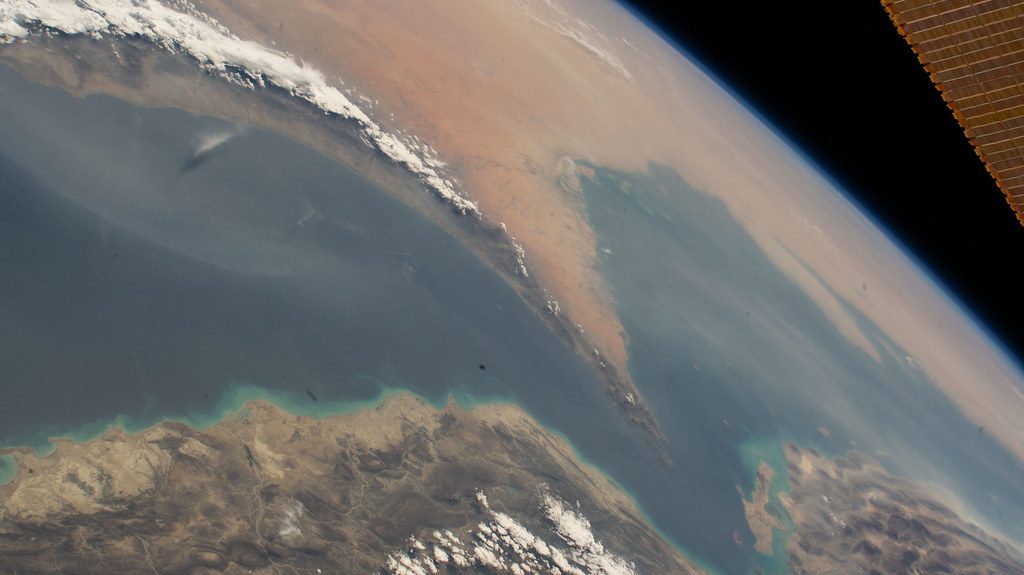
The Strait of Hormuz connects the Gulf of Oman with the Persian Gulf
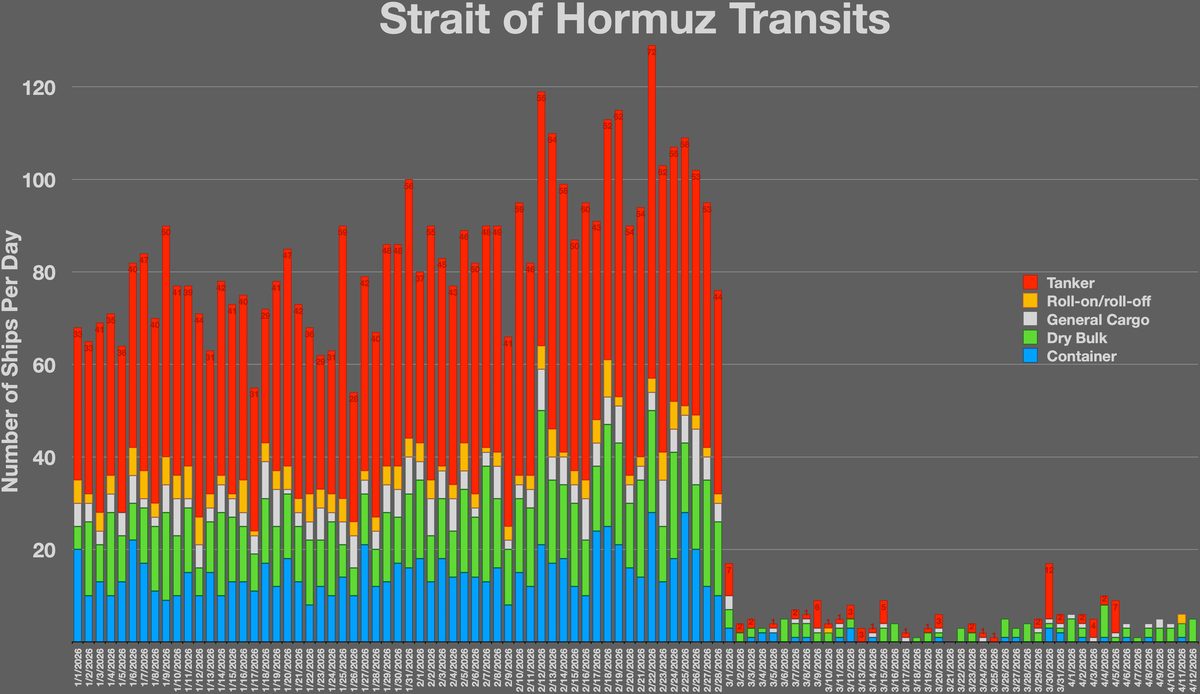
Strait of Hormuz Transits
3.6K views
1:33
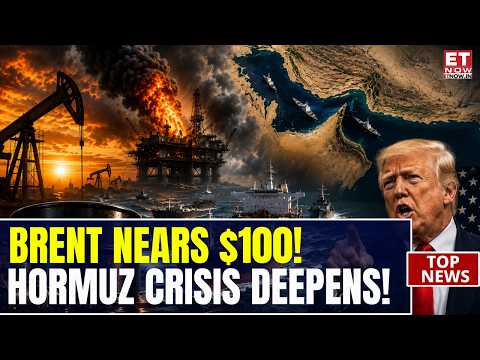
Brent Oil Climbs Toward $100 With Hormuz Constrained
Bloomberg Television
519 views
8:10
$100 Oil Shock Incoming? Brent Surges Amid US-Iran War & ...
ET Now
6.7K views
4:02
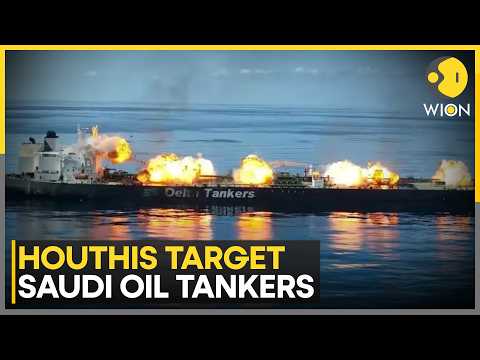
Houthis Target Saudi Oil Tankers | Red Sea Blockade Escalates
WION
Images from Openverse under Creative Commons licenses. Videos from YouTube.
Voices
Curated perspectives — historical figures and your fellow readers.
Play
Exploring all sides of a story is often best achieved with Play.
Most of these play right now — no account needed. Sign up to save scores, keep a streak, and unlock Debate and Predict.
Log in
Sign Up
Higher or Lower
A number from this story, against one from elsewhere in the news — guess which is bigger, then keep the chain going. 5 rounds, 3 strikes; a miss costs a strike and resets your streak.
Example
Anchor
EU tariff revenue
$52B
Big for this kind of number
Mystery
Pentagon AI contract
?
Round 1
Streak: 0
Mystery
?
Keyboard: ↓/L lower · ↑/H higher
0 pts
Best streak: 0 · Rounds: 0
0 points — sign up to put that on the leaderboard.
Now try on this story
Connections
Sixteen names from the news. Find the four hidden groups of four. Four mistakes max.
Loading today's puzzle…
0/4 groups
Mistakes
Sign up to keep a daily streak — a new puzzle lands every day.
Now try on this story
Exit debate?
Your progress in this debate will be lost.
How it works
- 1 Two AI personas square off on this story.
- 2 You predict who'll win each round — correct picks earn XP.
- 3 One crossfire question is yours to fire. Pick it carefully.
Couldn't generate a topic
Select Your Champions
Choose one persona for each side of the debate
DEBATE TOPIC
Choose personas with different perspectives for a more dynamic debate.
SIDE A (PRO)
Select debater for this side:
No debate personas available right now.
SIDE B (CON)
Select debater for this side:
No debate personas available right now.
VS
Get ready to make your prediction...
Round of
Claim
Evidence
Stakes
Crossfire Answer
Closing Statement
Claim
Evidence
Stakes
Crossfire Answer
Closing Statement
Your Crossfire Question
Generating arguments...
Who's Got This Round?
Make your prediction before the referee scores
The referee scores both sides on
Correct predictions earn +20 XP
· Press 1 or 2 to pick
Evidence
40%
Logic
30%
Detail
20%
Style
10%
Round Results
Your Pick
Not this time
(%)
Overall Score
/10
Your Pick
Not this time
(%)
Overall Score
/10
Set the Crossfire
Pick the question both personas must answer in the final round
Crafting crossfire questions...
Choosing a question earns +10 XP crossfire bonus
🏆
Total XP Earned
Cred Change
Predictions
Debate Oracle! You called every round!
Sharp Instincts! You know your debaters!
The Coin Flip Strategist! Perfectly balanced!
The Contrarian! Bold predictions!
Inverse Genius! Try betting the opposite next time!
XP Breakdown
Base completion
+20 XP
Rounds played ( rounds x 5 XP)
+ XP
Correct predictions ( correct x 20 XP)
+ XP
Crossfire bonus
+10 XP
Accuracy
%
Prediction History
Round
You picked:
✓
✗
Now try on this story
Keep debating to level up your credibility and unlock achievements
People Involved
Organizations Involved
OPEC+
Producer alliance
Held output unchanged September 6, leaving little spare supply to offset disruption
Coalition of major oil producers that coordinates output levels.
SA
Saudi Aramco
State oil company
Jazan refinery and southern facilities attacked by Houthi strikes
Saudi Arabia's national oil company and the world's largest exporter of crude.
Goldman Sachs
Investment bank
Raised oil forecasts; warns of $120 Brent risk
Global investment bank whose commodity research sets widely watched price forecasts.
HA
Houthi rebels (Ansar Allah)
Iran-backed armed group
Carried out missile and drone attacks on Saudi targets
Yemen-based armed movement backed by Iran and active against Saudi-led coalition forces.
Timeline
February 2026 September 2026
7 events
Latest: Today
Tap a bar to jump to that date
-
Houthis strike Saudi oil facilities; Brent nears $100
Today ConflictDozens of missiles and drones hit Aramco installations and Khamis Mushait; 73 wounded. Brent hits $99.40, WTI $93.90.
-
Goldman raises forecasts; US reports 100 vessels intercepted
Analyst actionGoldman lifts Brent forecast to $85 and warns of $120 risk. US says it intervened on roughly 100 ships in Ormuz.
-
Seven killed in coalition strike on Al Jauf prison
ConflictHouthis report deaths, including one child, from Saudi-led coalition bombing.
-
OPEC+ holds output steady
DecisionAlliance pauses production increases, leaving no spare supply cushion.
-
Brent last settles above $100
MarketBrent crude closes above $100 for the last time before the September surge.
-
Houthis threaten Saudi maritime blockade
ConflictRebels threaten to block Saudi Arabia by sea at Bab al-Mandeb strait.
-
War begins, Iran restricts Hormuz navigation
ConflictHostilities erupt; Tehran restricts shipping in the Strait of Hormuz, prompting a US blockade.
Historical Context
3 moments from history that rhyme with this story — and how they unfolded.
October 1973
1973 oil embargo
Arab members of OPEC cut oil production and embargoed the United States and the Netherlands in response to US support for Israel in the Yom Kippur War. Prices quadrupled from about $3 to $12 a barrel within months.
Then
Gasoline lines formed across the US; the dollar weakened; the embargo ended in March 1974 after diplomatic settlements.
Now
The shock drove the creation of the International Energy Agency and strategic petroleum reserves; oil became a permanent geopolitical weapon.
Why this matters now
Shows how a concentrated choke point with political control can translate directly into price shocks — the same mechanism at work in Hormuz today.
1978-1979
1979 Iranian Revolution
Strikes in Iran's oil fields cut exports from roughly 5 million barrels a day to near zero. Panic buying and hoarding pushed prices from about $14 to $39 a barrel in a year.
Then
Recession in Western economies; inflation surged; the US imposed oil price controls that worsened shortages.
Now
Illustrated that the threat of supply loss, not just actual loss, can move prices — another feature of the current market.
Why this matters now
Today's risk premium is doing what the 1979 panic did: prices rising on fear of what could happen more than on measured supply loss.
August 1990 - February 1991
1990-91 Gulf War
Iraq invaded Kuwait, removing about 4.5 million barrels a day of supply from the market. Brent surged from about $17 to $36 and fell back once Saudi Arabia raised output and Coalition forces secured the region.
Then
Prices spiked for months, then collapsed to pre-invasion levels within a year as spare capacity was deployed.
Now
Showed that a Middle East supply shock can be reversed quickly if no permanent infrastructure damage occurs.
Why this matters now
A model for Scenario 2 — if Hormuz reopens and production survives intact, prices may fall as fast as they rose.
Sources
(11)Related Stories
Global oil shock as Iran war shuts down the Strait of Hormuz
Built World
Updated Aug 3
Oil tankers halt Strait of Hormuz transit after US-Israel strikes on Iran
Force in Play
Updated 4 days ago
Iran conflict shuts down the world's most important oil chokepoint
Force in Play
Updated May 30
US gasoline tops $4 on Labor Day for first time as Iran war tightens fuel supply
Built World
Updated Yesterday
US diesel prices hit record high as conflicts squeeze global supply
Built World
Updated Yesterday
Persian Gulf shipping under attack as US-Iran war spreads to commercial tankers
Force in Play
Updated Jun 6