
Pull to refresh
Logo
Detroit repairs thousands of broken sidewalks after years of complaints

Detroit repairs thousands of broken sidewalks after years of complaints

Built World Detroit, MI local

The city replaced concrete across neighborhoods this year, but property owners remain responsible for most sidewalk upkeep.

Overview

Updated 1 hour ago

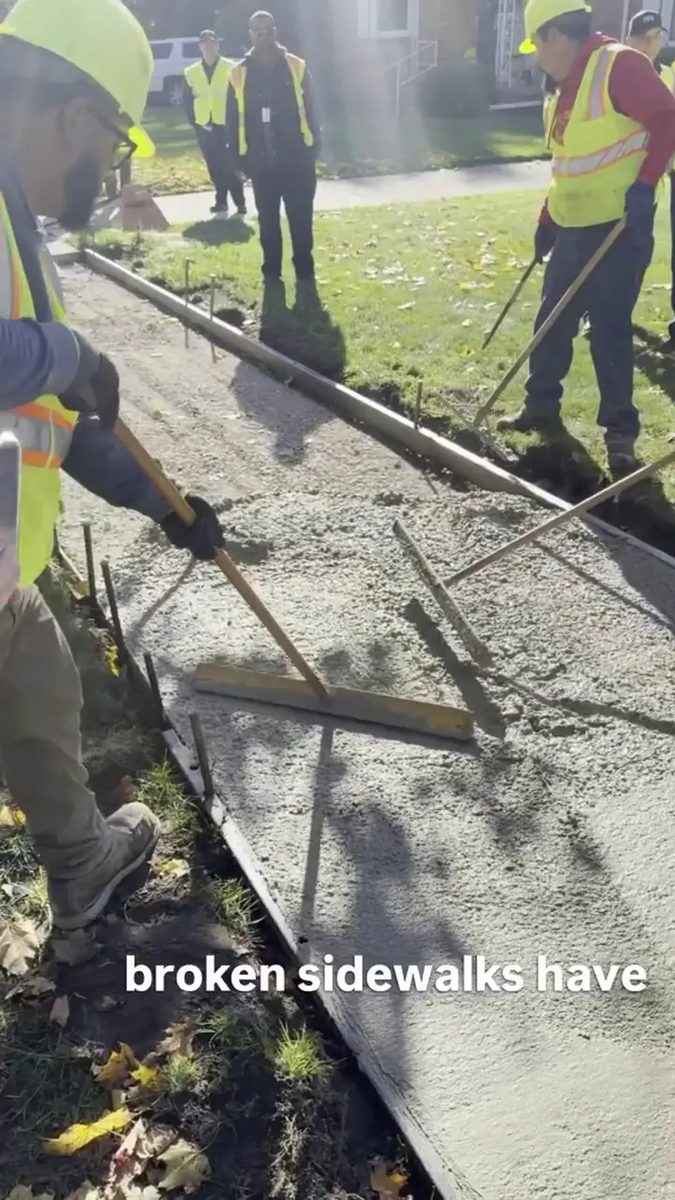
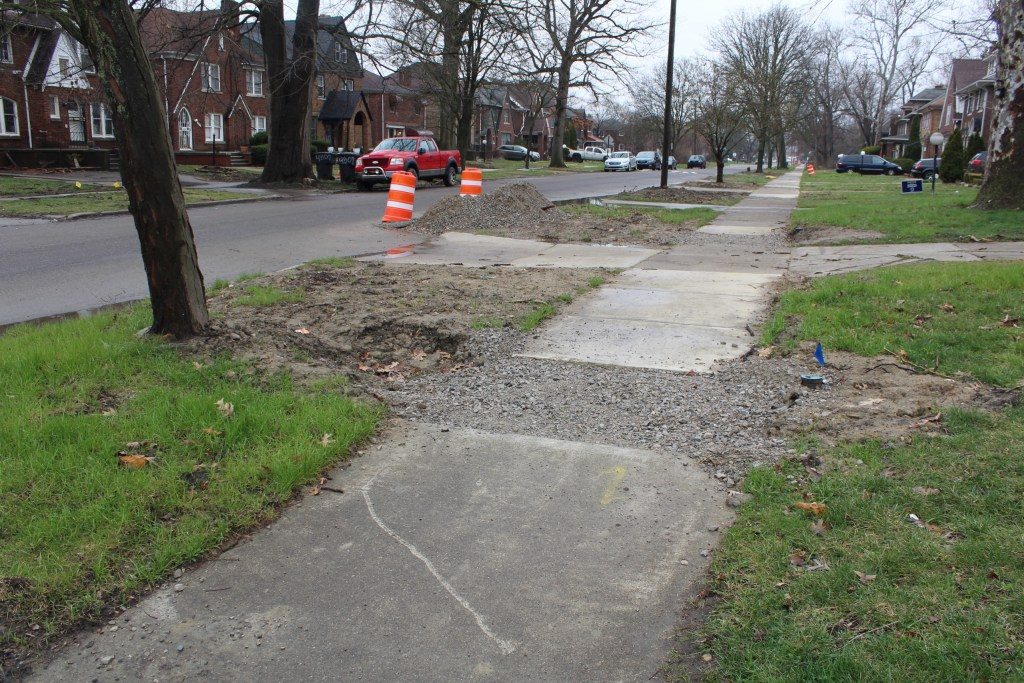
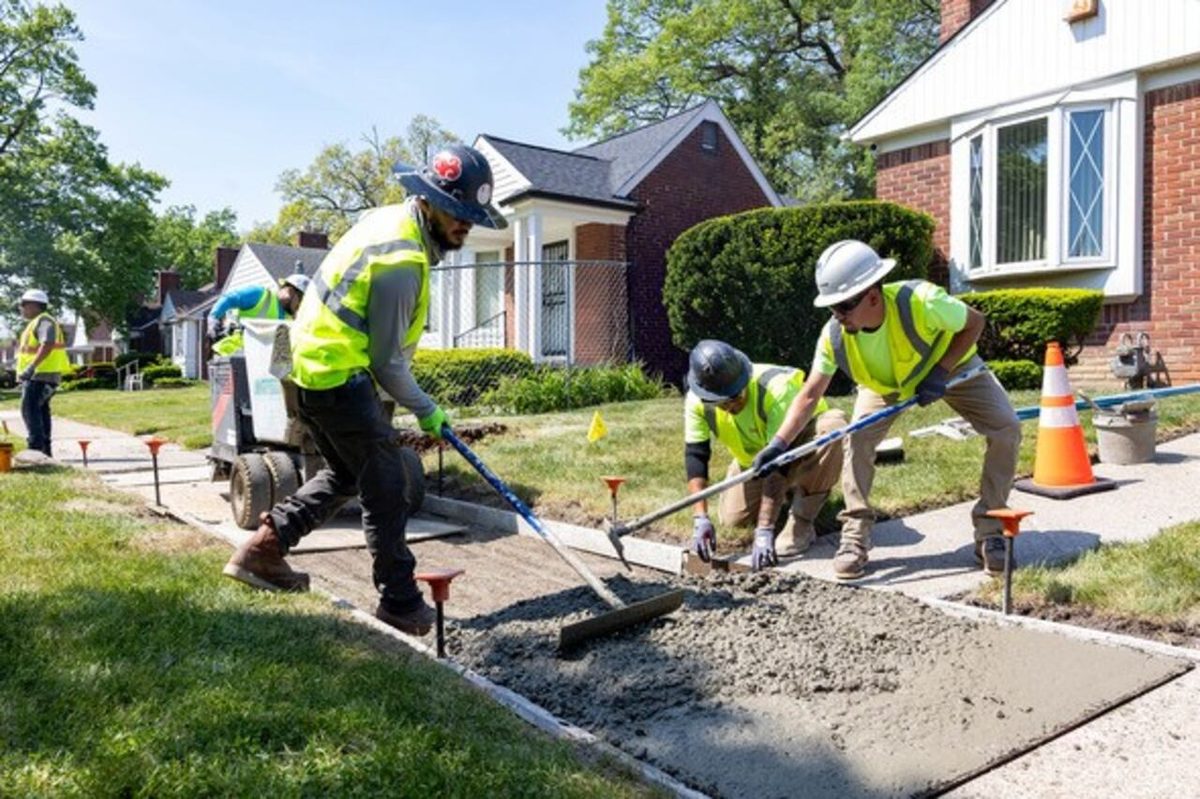
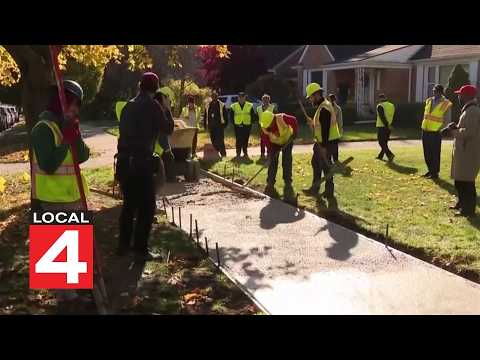
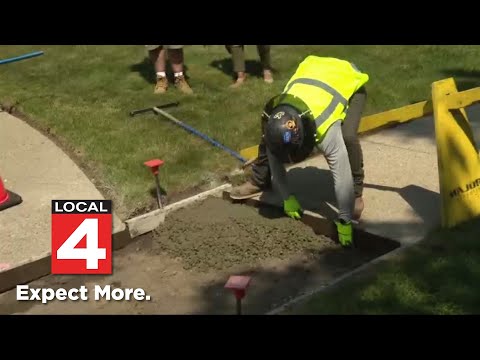
Detroit has replaced concrete on more than 6,000 broken sidewalks this year, WDIV ClickOnDetroit reported, after residents spent years reporting slabs cracked by tree roots, utility work and age. The city started the year with about 6,300 reported broken sidewalks, some dating back to 2019, and is down to roughly 100, with the work on pace to finish in December.

Who pays is the part that explains the backlog. Detroit property owners are responsible for maintaining the sidewalk next to their property; the city steps in mainly when roots from a city tree lift the concrete. With about 4,200 miles of sidewalk, that rule leaves most concrete in private hands, so the 6,000 figure counts city work, not the full repair need.

Why it matters

Detroit's repair count shows how much concrete a city can replace once its budget recovers, and how much it still leaves to homeowners.

Last Monday's email for Detroit, MI

Sent Nov 16. It carried:

Get next Monday's: one short email a week. Free. Unsubscribe in one click.

Questions about this story

Free account needed to ask — your question is kept and asked for you right after sign-up. Answers are public.

No questions yet — be the first to ask.

Key Indicators

6,000+
Sidewalks repaired in 2026
City crews replaced broken concrete on more than 6,000 sidewalks this year, per WDIV ClickOnDetroit.
4,200 miles
Sidewalk in Detroit
The city maintains roughly 4,200 miles of sidewalk, most of it adjacent to privately owned property.
60 days
Inspection window after a report
A city inspector is supposed to assess reported tree-damaged sidewalk within 60 days.
400,000
Slabs repaired over six years, per Duggan
Mayor Mike Duggan has said the city repaired 400,000 broken slabs over six years, a different measure than the 6,000 sidewalks in this report.

Voices

Curated perspectives — historical figures and your fellow readers.

Sign up to generate historical perspectives on this story.

People Involved

Organizations Involved

Timeline

July 1990 November 2026

4 events Latest: Yesterday
Tap a bar to jump to that date
  1. City reports 6,000-plus sidewalks repaired

    Latest Infrastructure

    WDIV ClickOnDetroit reports concrete crews have replaced broken slabs across neighborhoods this year.

  2. Detroit exits bankruptcy

    Financial

    A settlement backed by private foundations and the Detroit Institute of Arts closes the case.

  3. Detroit files for bankruptcy

    Financial

    The city enters Chapter 9 with billions in debt and pension obligations, deepening years of deferred maintenance.

Scenarios

1

Detroit's annual repair count keeps climbing

Likely Resolves by End of 2027

Discussed by: City officials and local outlets tracking the Sidewalk Program

The city keeps replacing concrete at or above this year's pace, and the annual tally rises again in 2027. This depends on the Department of Public Works keeping its current funding and crew capacity, and on the city continuing to prioritize tree-damaged slabs reported through its inspection queue.

2

City expands who pays for tree-damaged sidewalks

Possible Resolves by Q2 2027

Discussed by: Residents and neighborhood groups who have pressed the city over repair responsibility

Detroit City Council approves funding or an ordinance that widens city-paid repair beyond the current tree guarantee, shifting more of the cost off property owners. The trigger would be a budget surplus allocation or a council push after continued complaints about the 60-day inspection queue and open-ended repair timelines.

3

Property owners keep the repair bill

Likely Resolves by End of 2027

Discussed by: City officials defending the current cost split

Detroit leaves the maintenance rule as it is: owners pay for concrete next to their property, and the city covers only damage from city trees. This is the path of least fiscal resistance for a city with competing infrastructure needs, and it keeps the repair backlog partly in private hands.

Historical Context

3 moments from history that rhyme with this story — and how they unfolded.

July–December 2013

Detroit's bankruptcy (2013)

Detroit filed for Chapter 9 protection on July 18, 2013, citing billions of dollars in debt and pension obligations it could not pay. Basic services had already thinned: streetlights were dark, buses ran reduced routes, and routine maintenance like sidewalk replacement had been deferred for years.

Then

The city cut spending and restructured debt, with a settlement backed by private foundations and the Detroit Institute of Arts protecting pensions and the museum's collection.

Now

Detroit emerged in December 2014 with a smaller budget and a long list of deferred physical repairs, including sidewalks, that would take a decade of recovery revenue to address.

Why this matters now

The repair backlog the city is now working through is a direct product of the years when there was no money for concrete.

July 1990

Americans with Disabilities Act (1990)

The law barred discrimination against people with disabilities in public programs and required public rights-of-way to be usable by them. Sidewalks and curb ramps became a legal obligation rather than a courtesy, and cities that let concrete crumble faced complaints and litigation.

Then

Municipalities began writing accessibility standards into construction and repair rules, including minimum clear widths and ramp requirements.

Now

Accessibility became a standing legal pressure on cities to keep sidewalks passable, giving residents a framework beyond complaints to press for repairs.

Why this matters now

Detroit's own sidewalk rules cite ADA standards for width and slope, which is why replacement work has to meet a specification rather than just fill a hole.

1950–2020

Detroit's population decline (1950–2020)

Detroit peaked at about 1.85 million residents in the 1950 census. By 2020 the count was roughly 639,000, after deindustrialization and suburban flight cut the tax base that paid for streets, lights and concrete.

Then

Neighborhoods emptied faster than the city could shrink its footprint, leaving vacant lots and unrepaired infrastructure behind.

Now

The city shifted routine sidewalk maintenance onto property owners, a rule that persists even as the population has begun to stabilize.

Why this matters now

Fewer taxpayers funding the same 4,200 miles of sidewalk is the arithmetic behind the property-owner rule that shapes this story.

Sources

(3)