
Pull to refresh
Logo
Detroit police restore oversight board's footage access

Detroit police restore oversight board's footage access

Rule Changes Detroit, MI local

The board said losing access slowed its investigations and deepened a citizen complaint backlog.

Overview

Updated 57 minutes ago

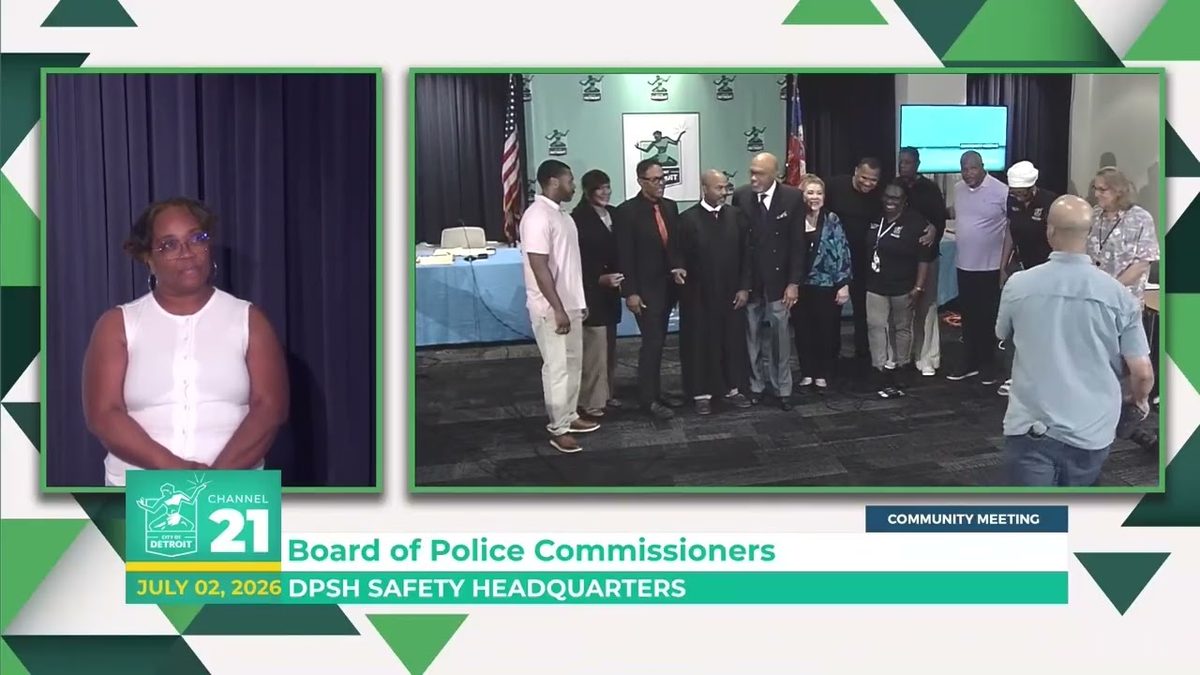
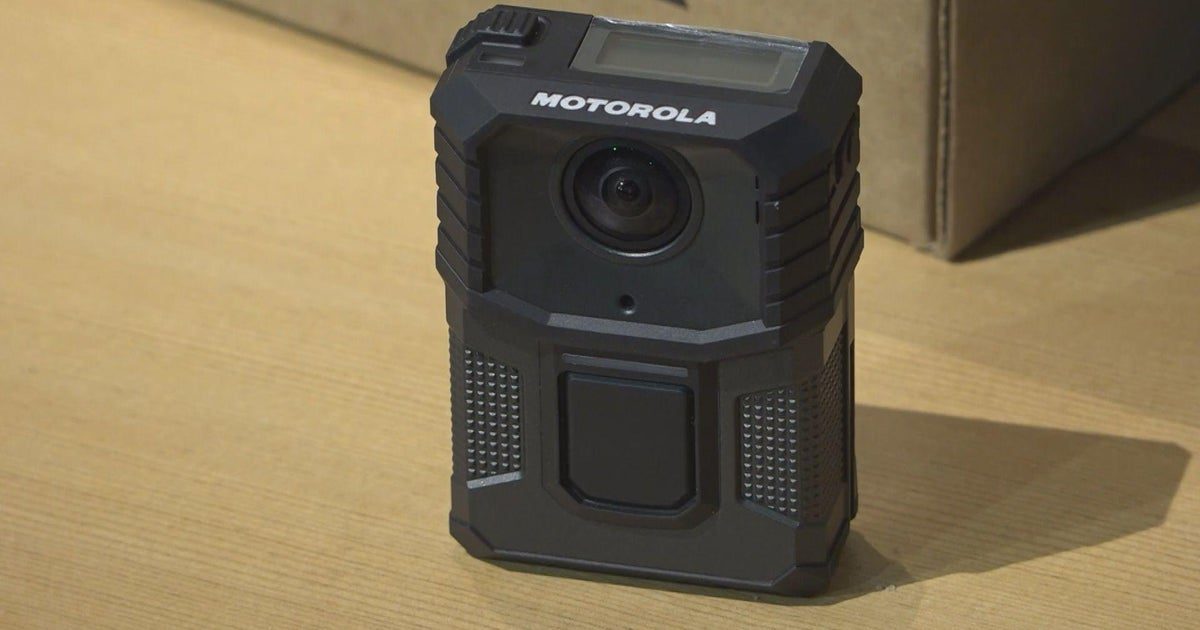
Detroit's police department has restored the civilian oversight board's access to body-worn camera footage, BridgeDetroit reported on Nov. 20, 2026. The Board of Police Commissioners had argued that the restriction impaired its charter-mandated duties and slowed its investigative arm.

That arm, the Office of the Chief Investigator, has carried a backlog of citizen complaints for years. The board's authority is written into the city charter. Its practical power depends on whether the department it reviews hands over its evidence.

Why it matters

An oversight board that can't see police footage can't investigate police. Detroit just showed how easily that access can be pulled, then restored.

Last Monday's email for Detroit, MI

Sent Nov 16. It carried:

Get next Monday's: one short email a week. Free. Unsubscribe in one click.

Questions about this story

Free account needed to ask — your question is kept and asked for you right after sign-up. Answers are public.

No questions yet — be the first to ask.

Key Indicators

Restored
Status of board access to police footage
The Detroit Police Department restored the Board of Police Commissioners' access in November 2026.
Years
Length of the complaint backlog at the board's investigative arm
BridgeDetroit reports the Office of the Chief Investigator has grappled with a citizen complaint backlog for years.
Charter
Source of the board's investigative mandate
Detroit's city charter assigns the board the duty to investigate complaints against police.

Voices

Curated perspectives — historical figures and your fellow readers.

Sign up to generate historical perspectives on this story.

Organizations Involved

Timeline

1974 November 2026

2 events Latest: Today
  1. Police restore oversight board's footage access

    Today Policy

    BridgeDetroit reports the department returned access the board said was needed for its charter duties and complaint backlog.

  2. Detroit charter creates the oversight board

    Charter

    The city's home rule charter establishes the Board of Police Commissioners with authority to investigate complaints against police.

Scenarios

1

Detroit police leave the board's footage access in place through 2027

Likely Resolves by End of 2027

Discussed by: No public forecaster; implied by the department's own restoration of access

The simplest path is the one now in effect: the department keeps the restored access, the complaint backlog gets worked down, and the episode ends without a written rule. This requires no further action from anyone — just the absence of a new restriction.

2

Access gets narrowed again without a written policy

Possible Resolves by Q2 2027

Discussed by: Not predicted by any named source; raised by the absence of a stated reason for the original restriction

If the restriction was discretionary rather than rule-bound, nothing prevents a second one. The board would again have to argue that its charter duties were impaired, and the same slow cycle would repeat. Watch for board complaints at public meetings rather than a formal announcement.

3

A written rule, not departmental discretion, governs footage access

Uncertain Resolves by Q2 2028

Discussed by: Not yet on the public record; the structural fix the board's argument points toward

The durable outcome is codifying access so it cannot be pulled at will — through a city ordinance or a charter amendment spelling out what the oversight board gets and how fast. That would convert a discretionary courtesy into an enforceable obligation, and would be the version of this story that outlasts the current officials.

Historical Context

2 moments from history that rhyme with this story — and how they unfolded.

November 2015 - September 2017

Chicago's police accountability overhaul (2015-2017)

Chicago released dashboard camera video of the 2014 police shooting of Laquan McDonald in November 2015, setting off protests and the resignation of the police superintendent. The mayor created a Police Accountability Task Force, which found the city's Independent Police Review Authority rarely sustained complaints against officers. The city replaced that agency with the Civilian Office of Police Accountability.

Then

The new accountability agency opened in 2017 with a broader mandate than the body it replaced.

Now

Its effectiveness has been contested ever since, often over how quickly the police department turns over video and records.

Why this matters now

Chicago shows the pattern Detroit is working through: a civilian board's power depends less on its formal mandate than on whether the department hands over evidence.

April 2001 - 2002

Cincinnati's Collaborative Agreement (2001-2002)

A Cincinnati police officer shot and killed Timothy Thomas, 19, an unarmed Black man, in April 2001. Protests and unrest followed. The U.S. Department of Justice investigated the department, and the city reached a settlement in 2002 that included an agreement among police, the city and community groups, and created a Citizen Complaint Authority.

Then

Citizen review of complaints became part of a court-enforceable framework rather than a voluntary arrangement.

Now

The framework stayed in place for years and became a reference point for other cities negotiating oversight.

Why this matters now

Cincinnati's settlement treated independent complaint review as a structural requirement, not a courtesy — the same distinction Detroit's dispute turns on.

Sources

(1)