
Pull to refresh
Logo
LA council veto falls one vote short; Axon streetlight camera pilot proceeds

LA council veto falls one vote short; Axon streetlight camera pilot proceeds

New Capabilities Los Angeles, CA local

Councilmembers voted 9-6 to block the three-month license plate reader program, but the motion needed 10 votes to return the pilot to the Board of Police Commissioners.

Overview

Updated 1 hour ago

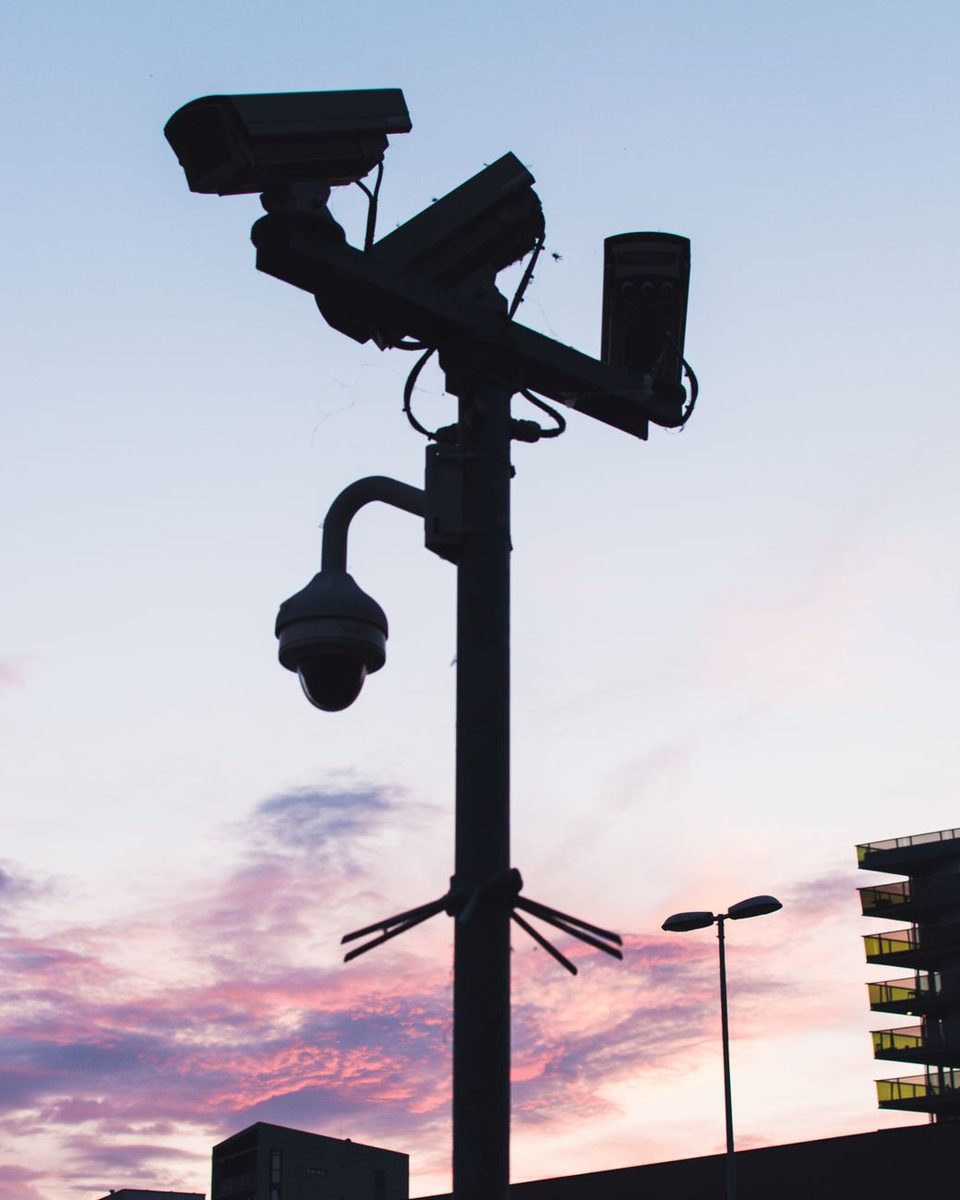
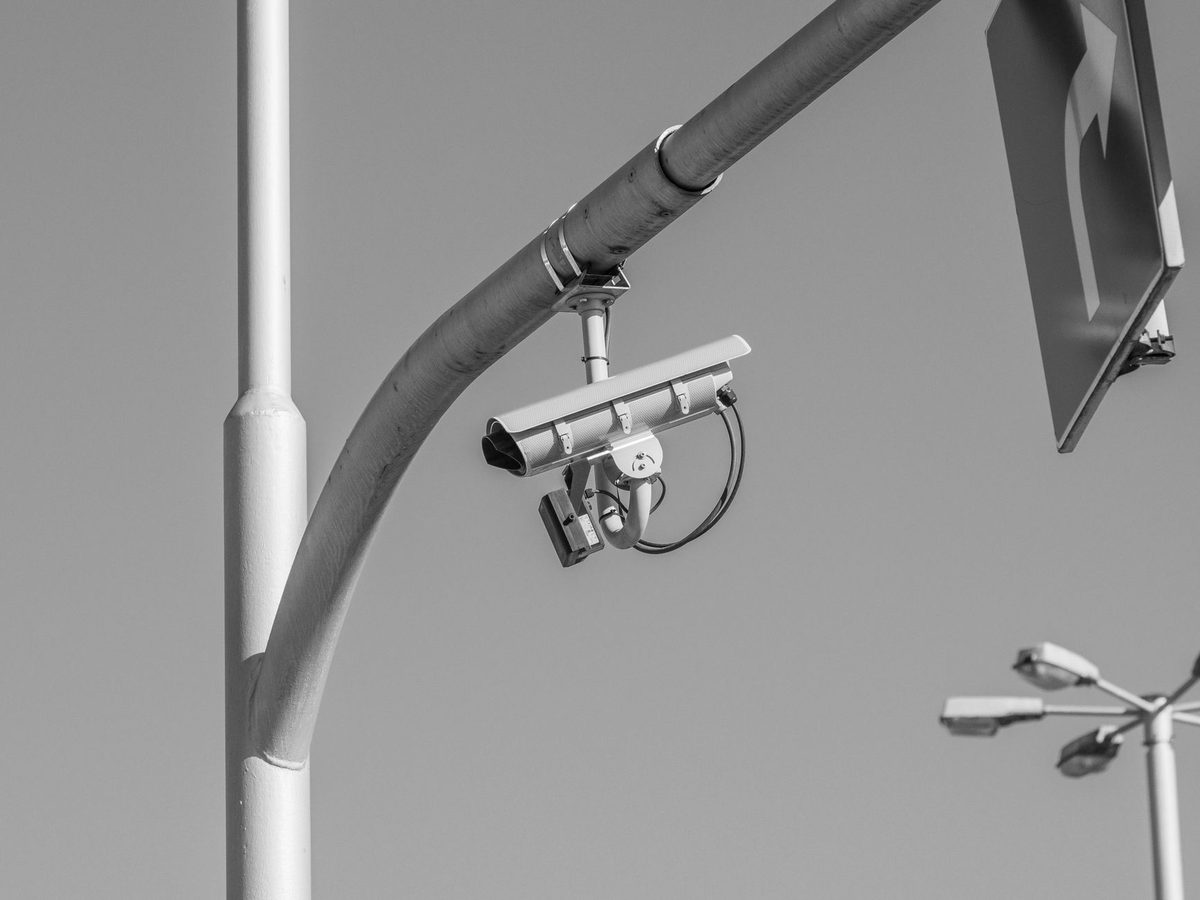
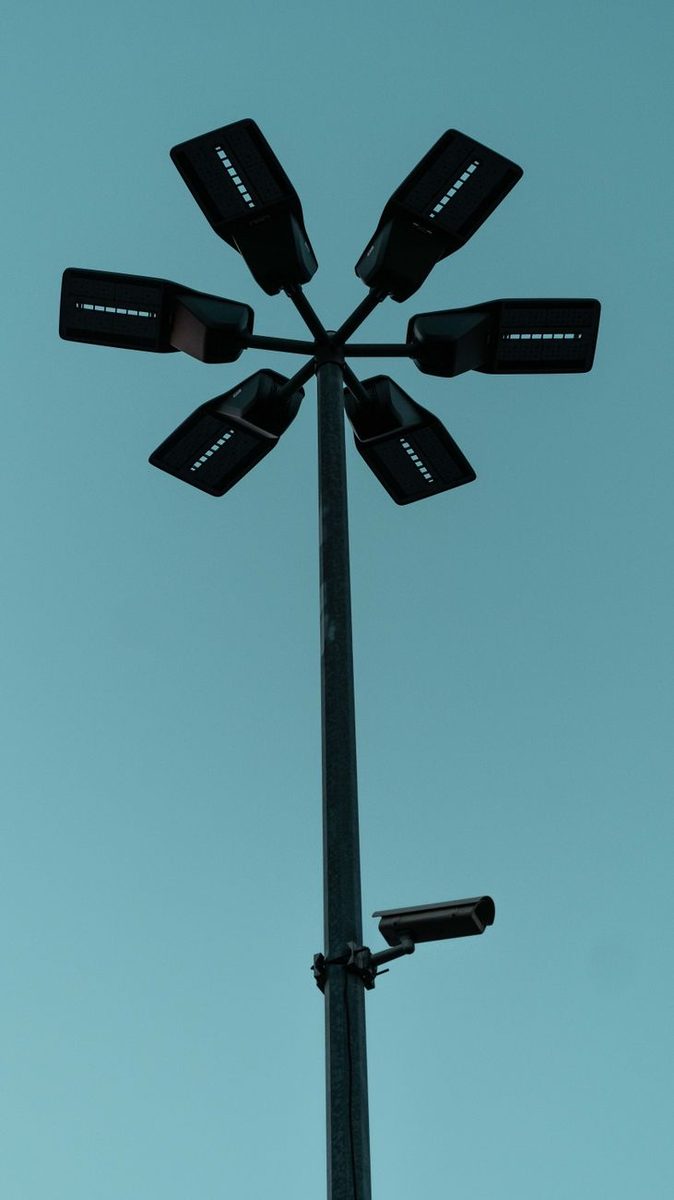
The Los Angeles City Council voted 9-6 Tuesday to block a three-month pilot that would mount Axon license plate readers on streetlights in the west San Fernando Valley. The motion needed 10 votes to send the agreement back to the Board of Police Commissioners. It fell one short, so the pilot proceeds.

The vote ends a three-week fight between the elected council and the unelected police commission over who controls surveillance technology. The cameras use AI to identify vehicles, plates, pedestrians and objects. If the pilot succeeds, LAPD wants to expand them citywide as part of a 10-year, $235 million Axon contract covering body cameras, Tasers and cloud storage.

Why it matters

If the pilot succeeds, AI cameras on LA streetlights could log every passing plate — with no federal law governing how the data is used.

Monday: what changed in Los Angeles, CA

One short email a week with the openings, closings, permits and council votes we covered. Free. Unsubscribe in one click.

Questions about this story

Free account needed to ask — your question is kept and asked for you right after sign-up. Answers are public.

No questions yet — be the first to ask.

Key Indicators

9-6
Failed council veto vote (10 needed)
Councilmembers voted 9-6 on a motion to veto the pilot; it fell one vote short of the 10 required to send it back to the Police Commission.
3-0
Police Commission approval vote, September
The appointed Board of Police Commissioners approved the Axon pilot in September.
$235M
Value of LAPD's 10-year Axon contract
The separate contract covers body cameras, Tasers, cloud storage and AI report-writing tools. The council said it lacked authority to block it.
10-4
October 6 council vote to assert jurisdiction
The council's first intervention sent the pilot to the Public Safety Committee for review.
3 months
Length of the streetlight camera pilot
The pilot runs at no cost to the city in Council District 3, which covers the west San Fernando Valley.

Voices

Curated perspectives — historical figures and your fellow readers.

Sign up to generate historical perspectives on this story.

People Involved

Organizations Involved

Timeline

2026 October 2026

5 events Latest: Yesterday
Tap a bar to jump to that date
  1. Council veto attempt fails 9-6; pilot proceeds

    Latest Decision

    Full council votes 9-6 to send the pilot back to the Police Commission; the motion needed 10 votes. The three-month pilot moves forward in the west San Fernando Valley.

  2. Public Safety Committee recommends rejection

    Decision

    Committee votes 3-2 to recommend rejecting the pilot, sending the matter to the full council.

  3. Council asserts jurisdiction over pilot

    Decision

    City Council votes 10-4 to delay the pilot, sending it to the Public Safety Committee for review.

  4. Police Commission approves Axon pilot and contract

    Decision

    Board of Police Commissioners votes 3-0 to approve the Axon streetlight camera pilot and the separate 10-year, $235 million contract.

  5. LAPD suspends Flock Safety cameras

    Policy

    LAPD lets its Flock Safety ALPR agreement lapse over concerns the Trump administration used the data to locate immigrants for deportation.

Scenarios

1

Pilot deploys, Axon cameras go live in the West Valley

Likely Resolves by Q1 2027

Discussed by: LAPD leadership (Chief Jim McDonnell, CIO Dean Gialamas) and council supporters Bob Blumenfield and Traci Park

With the veto defeated, Ubicquia mounts cameras on streetlights in Council District 3 at no cost to the city. LAPD implements its updated ALPR policies: limited officer access, shorter data retention and more frequent audits. After three months, the department evaluates the results and potentially expands the program citywide, as Gialamas and McDonnell have signaled they want. The audit Councilmember John Lee requested will be part of that evaluation.

2

Council forces new safeguards before cameras deploy

Possible Resolves by End of 2026

Discussed by: Councilmembers Hugo Soto-Martinez and Eunisses Hernandez, plus the Public Safety Committee's 3-2 rejection recommendation

Opponents lost Tuesday but have other levers. The council could pass a motion requiring the Police Commission to amend the memorandum of understanding, adding an independent audit, stricter access limits and board sign-off on data sharing. The commission could also act on its own under public pressure. State law already bars sharing ALPR data with federal and out-of-state agencies like ICE. If safeguards are added, deployment could be delayed weeks or months.

3

Flock-style suspension mid-pilot

Unlikely Resolves by Apr 30, 2027

Discussed by: Eunisses Hernandez, privacy and civil liberties advocates, and national reporting on ALPR misuse

LAPD suspended Flock's cameras in 2026 over immigration enforcement data concerns. If misuse surfaces in the Axon pilot — officer stalking, data shared against policy, or unauthorized secondary use — the department could halt the program before its three months end. The updated policies aim to prevent this, but the audit Lee requested could reveal failures. A suspension would likely trigger a council investigation and renewed demands for oversight.

Historical Context

3 moments from history that rhyme with this story — and how they unfolded.

2026

LAPD suspends Flock Safety cameras (2026)

LAPD let its agreement with ALPR vendor Flock Safety lapse after concerns that the Trump administration was using Flock's data to locate immigrants for deportation. Many cameras were owned by homeowners associations and private groups, not the city, limiting LAPD's control.

Then

Police lost access to Flock's cameras and the data they collected. The department said it still hopes to negotiate a new deal with stronger data-sharing safeguards.

Now

The suspension made data control a central requirement in LAPD's next ALPR deal — the Axon pilot's updated policies mandate complete city ownership of data and restrict external sharing.

Why this matters now

The Axon pilot is the direct replacement for the suspended Flock program, and the same data-sharing fears hang over it. This is the second time this year LAPD's ALPR plans have collided with privacy concerns.

2023-2024

LAPD robot dog pilot becomes permanent (2023)

LAPD used a Boston Dynamics robot dog in situations involving barricaded suspects. Councilmember Eunisses Hernandez noted it moved from pilot to a full-fledged program without City Council input, as police technology often does.

Then

The robot dog remained in use, and the council had no formal mechanism to review or block it after the fact.

Now

The episode became a reference point in council debates: pilots that begin quietly tend to become permanent programs without public oversight.

Why this matters now

Hernandez and other councilmembers cited the robot dog when arguing the Axon pilot needed safeguards before deployment, not after — the exact fight lost on October 27.

2018-2020

Ring doorbell police partnerships (2018-2020)

Amazon-owned Ring partnered with hundreds of police departments across the U.S., letting officers request doorbell camera footage from homeowners and creating sprawling private surveillance networks. Critics noted the lack of rules governing footage retention and use.

Then

Police gained access to vast amounts of video with minimal oversight or warrant requirements.

Now

The Ring era established a national pattern: private vendors drive police surveillance expansion, and local governments scramble to write rules after the technology is already in place.

Why this matters now

The Axon pilot follows the same playbook — a vendor offering free hardware to build a data network — and Los Angeles's council was unable to slow it down.

Sources

(5)