





Pull to refresh
Logo
Trump orders diesel fuel tax deferral, allows dyed diesel on highways

Trump orders diesel fuel tax deferral, allows dyed diesel on highways

Rule Changes

Executive order lets truckers and farmers use tax-exempt fuel through year's end; Treasury explores forgiving the deferred taxes

Yesterday: Trump signs diesel fuel tax relief order

Overview

Updated 1 hour ago

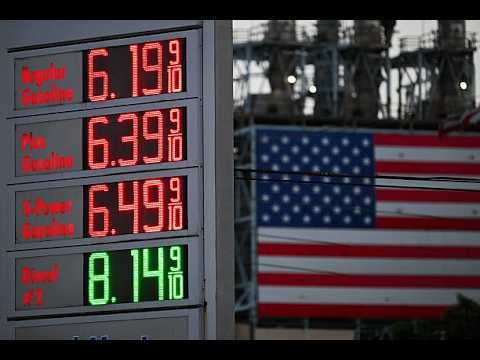
Truckers and farmers can burn tax-exempt "red dye" diesel on public highways through the end of the year under an executive order President Trump signed October 5 at a rally in Grand Island, Nebraska. The order defers the federal excise tax on that fuel for the period, with no interest or penalties.

The Agriculture Department estimates $640 million in combined federal and state savings across 224.6 million harvested acres; the White House says truckers save more than $100 a fill-up. The deferral pulls revenue out of the Highway Trust Fund, which the diesel excise tax helps finance, and Treasury is exploring whether to cancel the deferred bills. The relief window closes December 31.

Why it matters

If the deferred diesel taxes are forgiven, the Highway Trust Fund loses revenue that pays for road construction and transit nationwide.

Questions about this story

Free account needed to ask — your question is kept and asked for you right after sign-up. Answers are public.

No questions yet — be the first to ask.

Key Indicators

$640M
Estimated combined federal and state savings for farmers
Agriculture Secretary Rollins cited this figure for the relief period.
$100+
Estimated savings per fill-up for truckers
The White House fact sheet cites more than $100 per refill.
224.6M acres
Harvested acres covered by the relief
USDA estimate across the affected harvest.
Oct 5 - Dec 31, 2026
Relief window
Period for deferral and penalty relief.

Voices

Curated perspectives — historical figures and your fellow readers.

Ever wondered what historical figures would say about today's headlines?

Sign up to generate historical perspectives on this story.

People Involved

Organizations Involved

Timeline

2 events Latest: Yesterday
  1. Trump signs diesel fuel tax relief order

    Latest Policy

    Executive order defers diesel excise tax payments and waives dyed-diesel highway penalties through December 31.

  2. USDA issues statement on the order

    Statement

    Agriculture Secretary Rollins cites $640 million in estimated federal and state savings across 224.6 million acres.

Scenarios

1

White House extends diesel tax relief into 2027

Possible Resolves by Jan 15, 2027

Discussed by: Analysts cited by Bloomberg Law and USA Today

If diesel prices stay elevated, the administration extends the deferral or issues a new order covering 2027. The current order's Section 4 already asks Treasury to explore forgiving the deferred taxes, which would ultimately require Congress.

2

Congress cancels deferred diesel tax bills

Unlikely Resolves by Q2 2027

Discussed by: Section 4 of the executive order itself

The order directs Treasury to explore legislation eliminating the obligation to pay the deferred taxes. Passing such a law would need a congressional majority and would permanently shift the revenue out of the Highway Trust Fund.

3

Relief expires, deferred diesel taxes come due

Likely Resolves by Q1 2027

Discussed by: USA Today reporting that experts see limited price impact

The relief window closes December 31. Taxpayers who used dyed diesel on highways during the period would then owe the deferred federal excise tax unless the IRS or Congress acts first.

Historical Context

2 moments from history that rhyme with this story — and how they unfolded.

October 2012

Hurricane Sandy tax deadline waivers (2012)

After Hurricane Sandy hit the Northeast, the IRS postponed tax filing and payment deadlines for affected areas under Section 7508A, the same disaster-relief statute the October 2026 order invokes.

Then

Affected taxpayers got extra time to file and pay without penalties.

Now

Section 7508A became the standard mechanism for federal tax relief after declared disasters.

Why this matters now

The 2026 order uses a disaster-relief statute for an economic reason, high fuel prices, rather than a natural disaster, which is a notable departure from how the authority has typically been applied.

July 2008

2008 diesel price spike

U.S. diesel prices topped about $4.75 a gallon, the highest on record at the time, prompting calls in Congress for suspending federal fuel taxes. Prices fell sharply within months as crude oil dropped.

Then

Temporary political pressure for fuel-tax relief faded as prices fell.

Now

The federal diesel excise tax stayed in place.

Why this matters now

It shows temporary fuel-tax relief tends to lose momentum once prices drop, a dynamic that will shape whether the 2026 deferral is extended or forgiven.

Sources

(10)