
Pull to refresh
Logo
Korean startup completes U.S. FDA registration for alder-based toothpaste

Korean startup completes U.S. FDA registration for alder-based toothpaste

New Capabilities

OLTIS DENTAL-X uses oregonin, a compound first isolated from Oregon red alder in 1974

2 days ago: FDA registration announced

Overview

Updated 1 hour ago

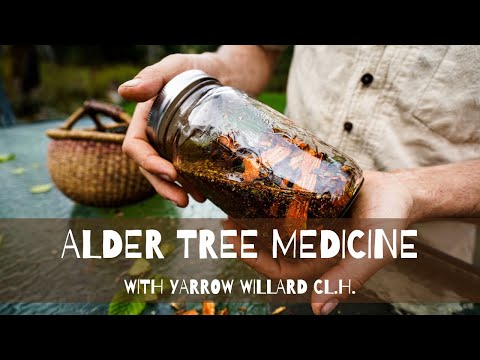
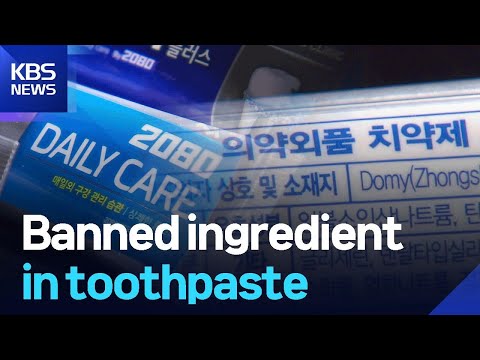
A compound first isolated from Oregon's red alder in 1974 is now the active ingredient in a U.S.-registered toothpaste. Seoul-based Dr. Oregonin Inc. announced Oct. 6 that it completed U.S. Food and Drug Administration (FDA) registration for OLTIS DENTAL-X, made with oregonin extracted from Korean alder (Alnus japonica).

The registration caps 27 years of research by Professor Choi Sun-eun's team at Kangwon National University, which validated the compound's anti-inflammatory activity against gum disease. It gives a Korean forest-derived ingredient a regulated foothold in America's oral-care market, and Dr. Oregonin is now pursuing U.S. retail and distribution partners.

Why it matters

A Korean forest compound has cleared U.S. regulatory hurdles, opening a path for K-forest bio products into America's oral-care market.

Questions about this story

Free account needed to ask — your question is kept and asked for you right after sign-up. Answers are public.

No questions yet — be the first to ask.

Key Indicators

27
Years of oregonin research by Professor Choi's team
Research on the compound ran from the late 1990s through FDA registration in 2026.
22
Patents held on gum-health natural materials
Covers alder and elm extracts and product applications; a Malaysia patent was added recently.
146x
Peak TNF-α suppression vs corn-derived extract
Lab assays on human gum cells measured up to 146-fold greater suppression of a key inflammatory marker.

Voices

Curated perspectives — historical figures and your fellow readers.

Ever wondered what historical figures would say about today's headlines?

Sign up to generate historical perspectives on this story.

People Involved

Organizations Involved

Timeline

1974 October 2026

8 events Latest: 2 days ago
Tap a bar to jump to that date
  1. Korean pre-launch scheduled

    Upcoming Launch

    OLTIS DENTAL-X is set to launch at Hyundai Department Store Sinchon in Seoul.

  2. FDA registration announced

    Latest Announcement

    Dr. Oregonin publicly confirms the FDA registration and says it is pursuing U.S. retail and distribution partners.

  3. U.S. FDA registration completed

    Regulatory

    Dr. Oregonin finishes FDA product registration and earns NET applied-product certification on the same day.

  4. CPHI/Hi Korea global B2B push

    Outreach

    Company courts international partners for research, distribution, and business cooperation at the Seoul trade show.

  5. NET certification and product approval land together

    Regulatory

    National New Excellent Technology certification and MFDS approval of the OLTIS DENTAL-X toothpaste item occur the same day.

  6. MFDS approves alder extract as raw material

    Regulatory

    Korean alder extract becomes the first native source registered as a quasi-drug raw material with Korea's Ministry of Food and Drug Safety.

  7. Dr. Oregonin Inc. founded

    Launch

    Kangwon National University faculty create the startup to commercialize oregonin-based oral care.

  8. Oregon State University isolates oregonin

    Discovery

    Researchers studying red alder identify the polyphenolic compound and name it oregonin.

Scenarios

1

OLTIS DENTAL-X lands on U.S. retail shelves

Possible Resolves by End of 2027

Discussed by: Dr. Oregonin's stated commercial plan; company announcements

The company says it is actively pursuing distribution partnerships across major U.S. channels. If it signs a distributor or secures e-commerce placement, the FDA registration converts into actual consumer sales, validating the K-forest bio model for other Korean natural-ingredient companies.

2

Korea pre-launch becomes the real market test

Possible Resolves by Q2 2027

Discussed by: ezyeconomy analysts cautioning that registration does not equal sales

The Oct. 16 Hyundai Department Store launch is the first consumer touchpoint. Korean coverage notes that FDA registration alone does not determine market performance: local distribution, pricing, brand recognition, and repeat purchases will decide whether the product holds shelf space in Korea, which would in turn shape the U.S. push.

3

Oregonin expands into mouthwash and functional foods

Possible Resolves by End of 2027

Discussed by: Research team's stated expansion plans

The team has said it will extend the research into health functional foods and natural medicines. A second oregonin-based product, such as a mouthwash or dietary supplement, would signal the compound is a platform ingredient rather than a one-off toothpaste, and would test whether regulators accept the compound in new categories.

Historical Context

2 moments from history that rhyme with this story — and how they unfolded.

1962–1993

Paclitaxel (Taxol) from Pacific yew (1960s–1993)

Researchers screening Pacific Northwest plants found paclitaxel in Pacific yew bark in the 1960s. The compound showed strong anticancer activity, but supply problems and formulation challenges slowed development for decades.

Then

The National Cancer Institute and Bristol-Myers Squibb spent years solving extraction and formulation before the FDA approved Taxol for ovarian cancer in 1992 and breast cancer in 1994.

Now

Paclitaxel became one of the best-selling chemotherapy drugs and a landmark case of a forest-derived compound reaching the clinic.

Why this matters now

Oregonin follows the same arc — a Pacific Northwest forest compound requiring decades of development — but this time the commercialization happened in South Korea, not the United States.

1972–2015

Artemisinin from sweet wormwood (1970s–2015)

Tu Youyou, searching traditional Chinese medicine texts, isolated artemisinin from sweet wormwood (Artemisia annua) in the early 1970s. The compound proved highly effective against malaria.

Then

Artemisinin became the basis of artemisinin-combination therapies now used worldwide against malaria.

Now

Tu Youyou won the 2015 Nobel Prize in Physiology or Medicine, and artemisinin remains the cornerstone of malaria treatment.

Why this matters now

Both stories show a naturally occurring compound moving from initial characterization to a regulated, globally used product. Oregonin's path adds a regulatory twist: a U.S.-named compound re-entering America through Korean research and manufacturing.

Sources

(7)