




Pull to refresh
Logo
Olatorepatide Phase III data show 19.3% weight loss with low nausea rates

Olatorepatide Phase III data show 19.3% weight loss with low nausea rates

New Capabilities

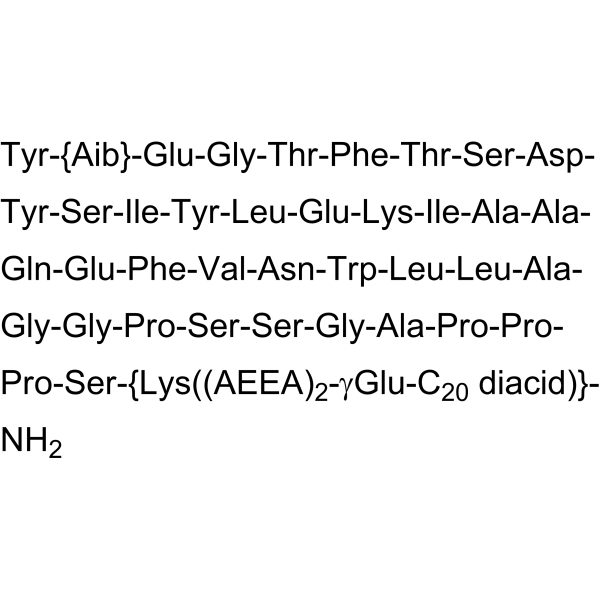
Hansoh's dual GLP-1/GIP drug hits 48-week efficacy targets with mild gut side effects; NDA under review in China, Regeneron planning global trials

Today: Full LIGHTEN data presented at EASD in Milan

Overview

Updated 1 hour ago

Hansoh Pharma presented full Phase III results for olatorepatide at the European Association for the Study of Diabetes meeting in Milan on October 2. Overweight and obese patients on the highest 15 mg dose lost 19.3% of their body weight on average by week 48, and the weight-loss curve had not flattened.

The drug's edge is its gut. Nausea appeared in 7.8% of treated patients and vomiting in 4.9%, below rates published for other dual GLP-1/GIP agonists. China's drug regulator is already reviewing the drug, and partner Regeneron plans global trials that could put olatorepatide against Zepbound and Wegovy.

Why it matters

A once-weekly obesity shot that cuts weight by a fifth with few stomach side effects could keep millions of patients on treatment instead of quitting.

Questions about this story

Free account needed to ask — your question is kept and asked for you right after sign-up. Answers are public.

No questions yet — be the first to ask.

Key Indicators

19.3%
Mean weight loss at Week 48 (15 mg dose)
Efficacy estimand; placebo lost 2.7%. Curve showed no plateau.
97.2%
Highest share of patients losing ≥5% of body weight
Achieved in the 10 mg group; 95.2% in the 15 mg group.
7.8%
Average nausea rate across olatorepatide doses
Vomiting averaged 4.9%; both below placebo-adjusted dual-incretin published rates.
16.0 cm
Mean waist circumference reduction (15 mg dose)
Compared with 3.6 cm in the placebo group.
604
Participants in the LIGHTEN trial
Adults with obesity or overweight across 33 sites in mainland China.

Voices

Curated perspectives — historical figures and your fellow readers.

Ever wondered what historical figures would say about today's headlines?

Sign up to generate historical perspectives on this story.

People Involved

Organizations Involved

Timeline

June 2025 October 2026

5 events Latest: Today
Tap a bar to jump to that date
  1. Full LIGHTEN data presented at EASD in Milan

    Today Clinical Data

    19.3% mean weight loss, 16.0 cm waist reduction, low nausea and vomiting rates.

  2. NMPA accepts olatorepatide weight-management application

    Regulatory

    China's drug regulator begins review of the injection for long-term weight management.

  3. Regeneron confirms results and registrational plan

    Clinical Data

    Regeneron calls data encouraging and says global program is on track.

  4. Hansoh announces positive Phase III topline results

    Clinical Data

    Up to 19.3% mean weight loss at Week 48; co-primary endpoints met.

  5. Hansoh licenses olatorepatide to Regeneron

    Deal

    Hansoh grants Regeneron exclusive development and commercial rights outside Greater China.

Scenarios

1

NMPA approves olatorepatide for weight management in China

Likely Resolves by End of 2027

Discussed by: Hansoh press materials; NDA acceptance signals an approval path

The June 2026 acceptance starts a standard Chinese review that typically runs one to two years. A green light would let Hansoh launch the drug domestically ahead of its partner Regeneron's overseas sales, giving the company a home-market weight-loss product in a fast-growing category.

2

Regeneron launches a global Phase III program

Likely Resolves by End of 2027

Discussed by: Regeneron executives (George Yancopoulos, March 2026)

Regeneron said it would advance into a registrational program, with pivotal trials expected to begin. The program will test olatorepatide in Western populations with different obesity profiles and prior GLP-1 exposure. Positive results would set up U.S. and European filings against Zepbound and Wegovy.

3

Longer-term data confirm continued weight loss without a plateau

Possible Resolves by Q2 2028

Discussed by: Hansoh LIGHTEN results, which noted the weight-loss curve had not flattened at Week 48

The 48-week curve in LIGHTEN had not plateaued, leaving open how much loss longer treatment yields. A 72-week or longer extension study would answer this. Reported nausea staying below 10% in longer data would strengthen the tolerability claim that sets olatorepatide apart from rivals.

Historical Context

2 moments from history that rhyme with this story — and how they unfolded.

2022-2023

Tirzepatide's SURMOUNT program (2022-2023)

Eli Lilly's dual GLP-1/GIP agonist tirzepatide showed about 21% mean weight loss at 72 weeks in its pivotal SURMOUNT-1 trial and won U.S. approval as Zepbound in November 2023.

Then

Zepbound became a top-selling U.S. weight-loss drug, setting roughly 20% weight loss as the efficacy benchmark for the drug class.

Now

Dual GLP-1/GIP agonism became the leading mechanism in obesity pharmacotherapy, pushing rivals to develop follow-on candidates.

Why this matters now

Olatorepatide's 19.3% at 48 weeks, with no plateau, sits in Zepbound's range. Its market test is whether it holds that efficacy over longer treatment while keeping the tolerability edge.

February-June 2021

Semaglutide's STEP program (2021)

Novo Nordisk's once-weekly GLP-1 agonist semaglutide showed roughly 15% mean weight loss at 68 weeks in its STEP 1 pivotal trial, and the U.S. Food and Drug Administration approved it as Wegovy in June 2021.

Then

Wegovy became the first blockbuster injectable weight-loss drug, with supply shortages lasting more than two years.

Now

It opened the modern obesity market and drew competitors such as Lilly into the race, reshaping how drugmakers value metabolic disease.

Why this matters now

Wegovy's nausea and other gastrointestinal side effects are a known reason patients stop treatment. Olatorepatide's lower nausea rate is a direct challenge to that weakness.

Sources

(5)