


Pull to refresh
Logo
Experimental gel that reverses EGFR-inhibitor rash meets Phase 2 endpoints

Experimental gel that reverses EGFR-inhibitor rash meets Phase 2 endpoints

New Capabilities

Lutris Pharma's topical B-Raf inhibitor cut acneiform rash severity and helped patients stay on cancer therapy

Today: Updated Phase 2 results disclosed at EADV

Overview

Updated 1 hour ago

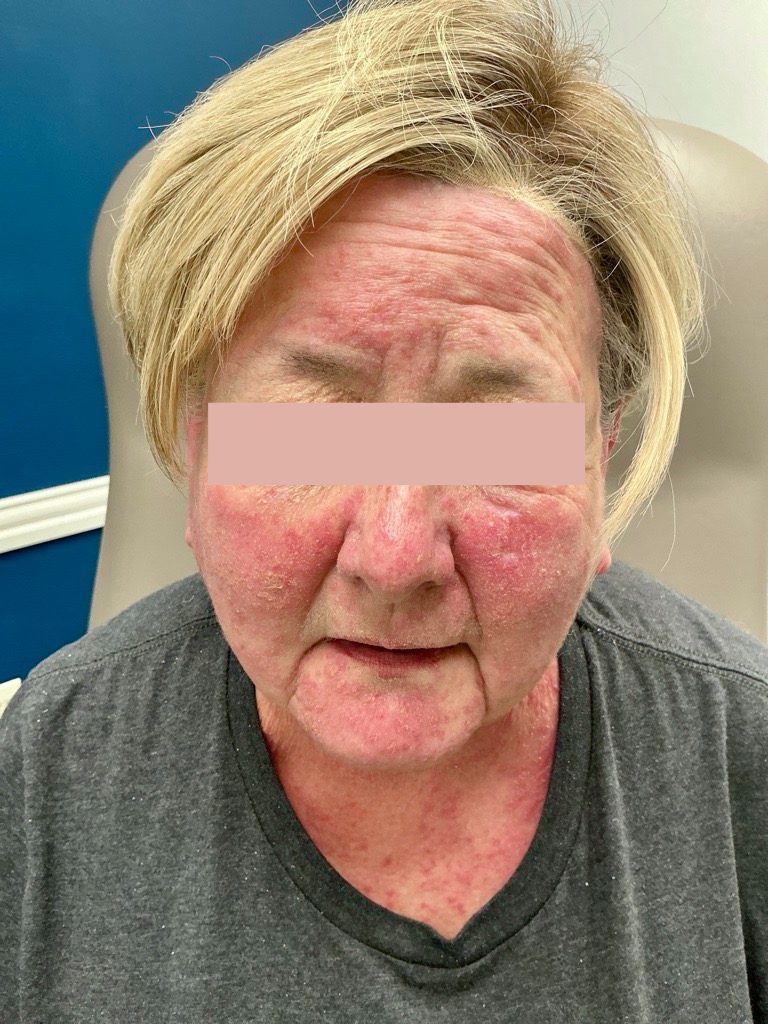
Colorectal cancer patients on EGFR inhibitors often develop painful, cherry-red acneiform rashes. A third of them cut back or pause their cancer therapy because of it. Lutris Pharma's experimental gel reduced that non-adherence rate to 10.3%, down from 28.2% with placebo, in a 118-patient Phase 2 trial.

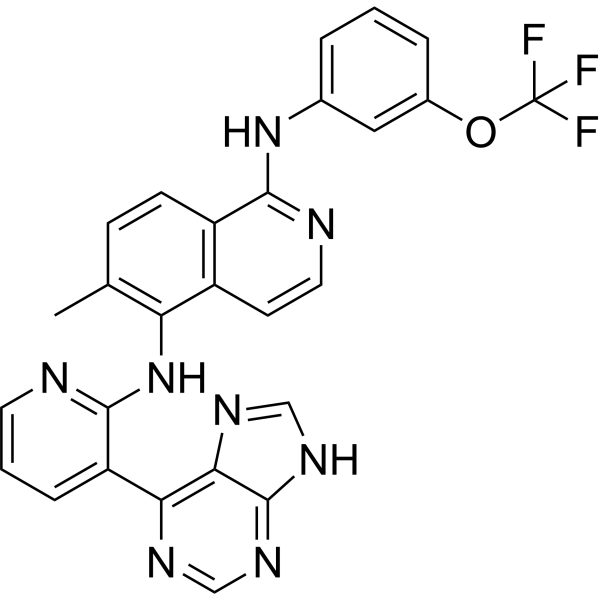
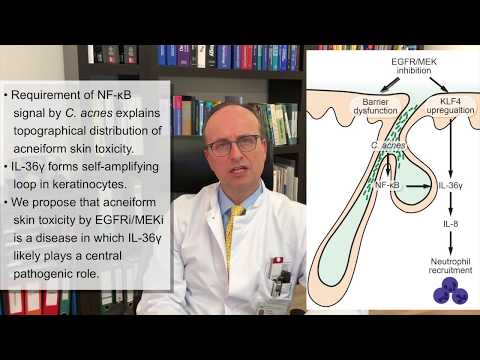
The drug, LUT014, is a topical B-Raf inhibitor that exploits a biological quirk. When EGFR inhibitors suppress MAPK signaling in skin cells, adding B-Raf inhibition paradoxically restores it, rescuing the skin without interfering with the tumor-killing effect. The benefit held on Day 55, nearly a month after the once-daily 28-day treatment course ended.

Why it matters

If approved, the gel could keep colorectal cancer patients on EGFR inhibitors instead of cutting doses over painful skin rashes.

Questions about this story

Free account needed to ask — your question is kept and asked for you right after sign-up. Answers are public.

No questions yet — be the first to ask.

Key Indicators

71.8%
Treatment success rate with LUT014
Composite endpoint of rash improvement and no treatment failure, versus 38.5% with placebo (p=0.003).
56.4%
Patients with one-grade rash improvement
Clinician-assessed CTCAE acneiform rash improved by at least one grade, versus 15.4% with placebo (p=0.0002).
10.3%
EGFR-inhibitor non-adherence on LUT014
Patients reducing, delaying, or stopping cancer therapy for rash, versus 28.2% with placebo (p=0.044).
118
Patients in the randomized Phase 2 trial
Colorectal cancer patients with Grade 2 or non-infected Grade 3 rash after cetuximab or panitumumab.

Voices

Curated perspectives — historical figures and your fellow readers.

Ever wondered what historical figures would say about today's headlines?

Sign up to generate historical perspectives on this story.

People Involved

Organizations Involved

Timeline

June 2025 October 2026

3 events Latest: Today
  1. Updated Phase 2 results disclosed at EADV

    Today Clinical

    Statistically significant improvements in treatment success, rash severity, and EGFR-inhibitor adherence; effect durable at Day 55.

  2. Lutris previews updated EADV data

    Announcement

    Company said it would present updated Phase 2 results at the EADV Congress in Vienna.

  3. Initial Phase 2 data presented at ESMO GI

    Clinical

    Lutris presented positive results from its 118-patient Phase 2 trial at the ESMO Gastrointestinal Cancers Congress in Barcelona.

Scenarios

1

Lutris launches Phase 3 trial of LUT014 for EGFR-inhibitor rash

Likely Resolves by Q2 2027

Discussed by: Lutris executives and clinical investigators

Positive Phase 2 results typically push a program into a registrational Phase 3. Lutris management said the data support moving forward; a larger randomized trial against placebo or standard care would use treatment success as the primary endpoint.

2

Lutris lands a pharma partnership or acquisition

Possible Resolves by End of 2027

Discussed by: Biotech analysts and industry observers

A strong readout in supportive oncology often attracts a larger partner or acquirer. Lutris has said it is exploring partnerships to study LUT014 with other MAPK-pathway inhibitors, opening a route to a deal.

3

LUT014 expands to daraxonrasib-induced rash in pancreatic cancer

Likely Resolves by Q2 2027

Discussed by: Lutris Pharma management

Lutris plans a Phase 2 study in pancreatic ductal adenocarcinoma patients with daraxonrasib-induced acneiform rash, testing whether the mechanism generalizes across the MAPK-inhibitor class.

Historical Context

3 moments from history that rhyme with this story — and how they unfolded.

August 2011

BRAF inhibitor paradoxical activation (2011)

The FDA approved vemurafenib for BRAF-mutant melanoma. Patients developed keratoacanthomas and squamous-cell carcinomas because BRAF inhibitors paradoxically activated MAPK signaling in cells with normal BRAF.

Then

The skin tumors were manageable surgically, and the drug stayed on the market.

Now

Researchers mapped the paradoxical activation biology, leading to second-generation BRAF inhibitors and combination regimens.

Why this matters now

LUT014 deliberately harnesses that same paradoxical MAPK reactivation, turning a known drug toxicity into a mechanism to rescue skin cells from EGFR-inhibitor damage.

January 2002

Neulasta supports chemotherapy adherence (2002)

The FDA approved pegfilgrastim (Neulasta) to reduce febrile neutropenia, the dose-limiting infection risk of multi-day chemotherapy.

Then

Patients could complete more chemotherapy cycles at full dose.

Now

Pegfilgrastim became a standard supportive-care drug, establishing the case for treatments that keep patients on their anti-cancer regimens.

Why this matters now

LUT014 aims to play the same supportive role for EGFR-inhibitor skin toxicity, improving adherence rather than replacing the cancer therapy.

2004-2010

Standard care for EGFR-inhibitor acneiform rash (2000s)

As EGFR inhibitors entered use, oncologists managed the rash with prophylactic tetracycline antibiotics and topical steroids, which dampen inflammation but do not reverse the suppressed MAPK signaling.

Then

Antibiotics modestly reduced rash severity but did not eliminate dose reductions.

Now

The field accepted rash as an expected, largely untreatable side effect of EGFR-inhibitor therapy.

Why this matters now

LUT014 is the first mechanism-directed attempt to restore the signaling suppressed by EGFR inhibitors, rather than only treating the downstream inflammatory response.

Sources

(4)