


Nixon's attempt to abolish the Office of Economic Opportunity (1973)
President Nixon tried to shut down the Office of Economic Opportunity — the agency running Lyndon Johnson's War on Poverty programs — by executive action. He appointed Howard Phillips as acting director with instructions to wind it down and impounded congressionally appropriated funds. Federal courts ruled the closure illegal, finding Nixon had exceeded his authority.
Courts blocked the closure. Phillips was ruled to be serving illegally because he was never Senate-confirmed. Congress's appropriations authority was upheld.
The OEO was eventually abolished in 1981 — but only when President Reagan worked with Congress to pass legislation formally distributing its functions. The episode established that presidents cannot unilaterally close agencies Congress created.
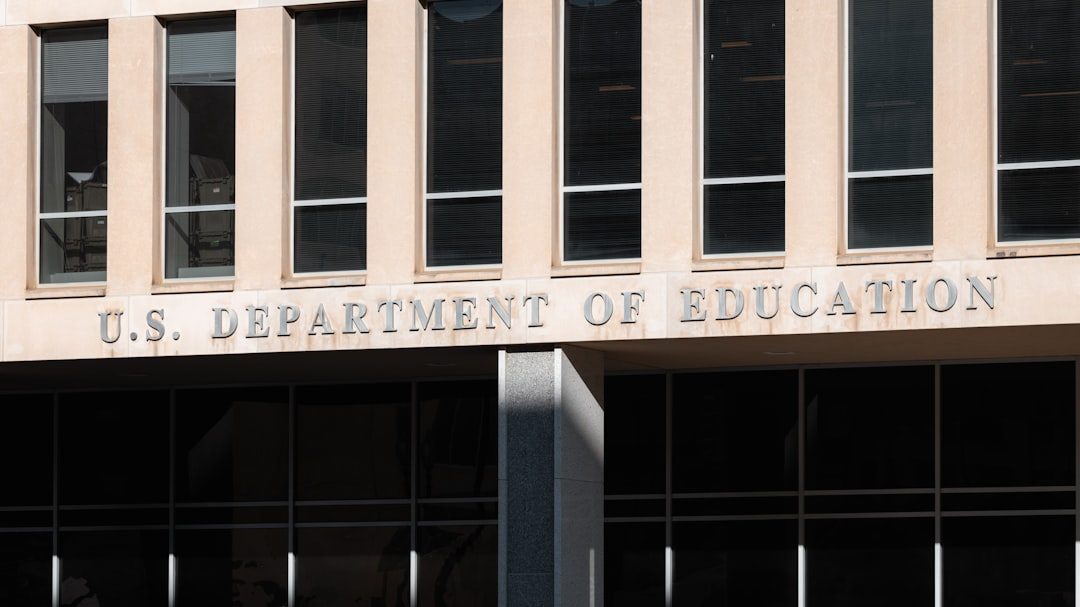
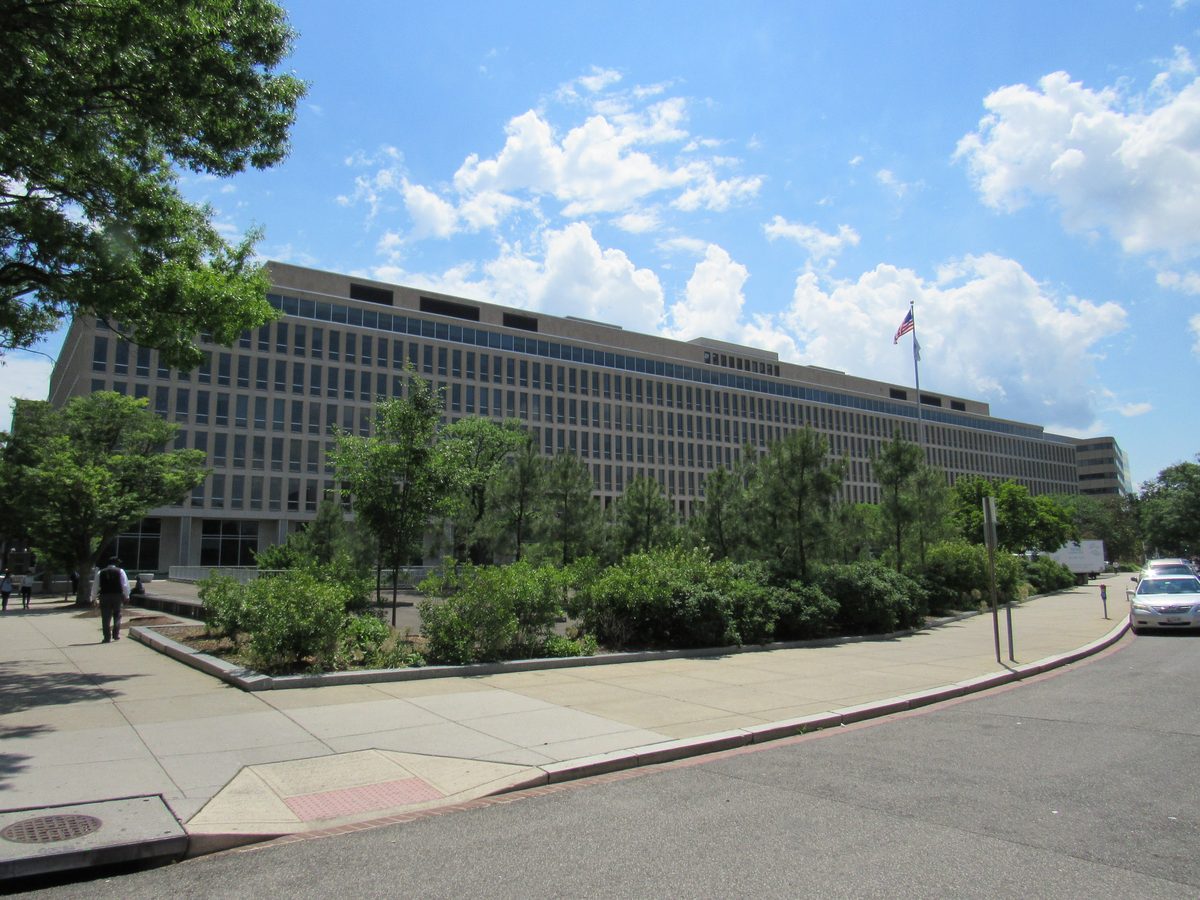
The Trump administration's interagency-agreement strategy is specifically designed to avoid the legal tripwire Nixon hit — transferring functions rather than formally closing the department. Whether courts view this as a distinction with a difference is the central question in the pending June 2026 trial.