

Pull to refresh
Logo
Daily Brief
Following
Why Sign Up
Wisconsin Supreme Court's liberal majority faces test as voters decide whether to expand it to 5-2

Wisconsin Supreme Court's liberal majority faces test as voters decide whether to expand it to 5-2

Rule Changes
By Newzino Staff |

A decade-long ideological reversal reaches its potential consolidation point in the April 2026 election

Today: Wisconsin voters go to the polls in Supreme Court election

Overview

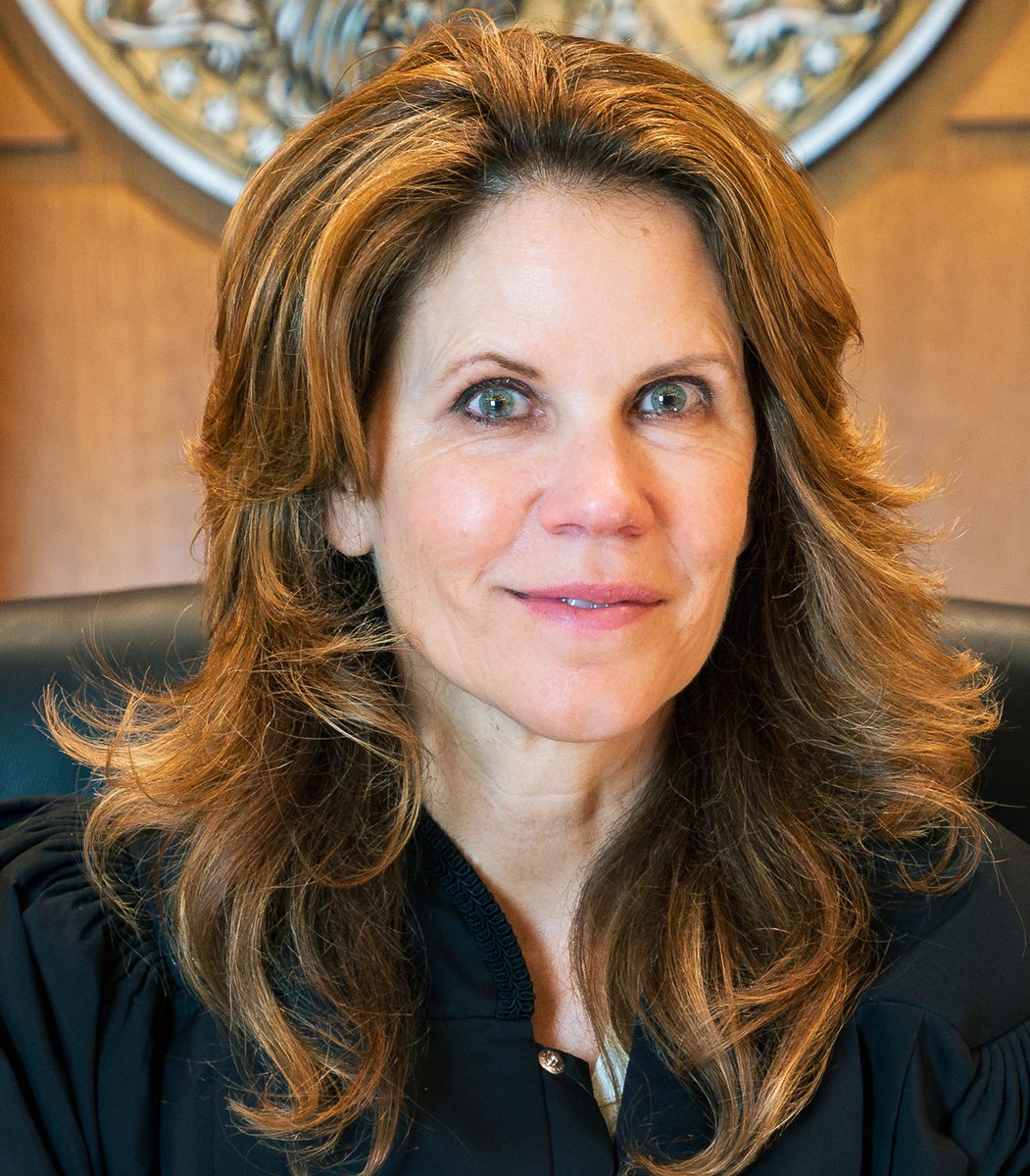
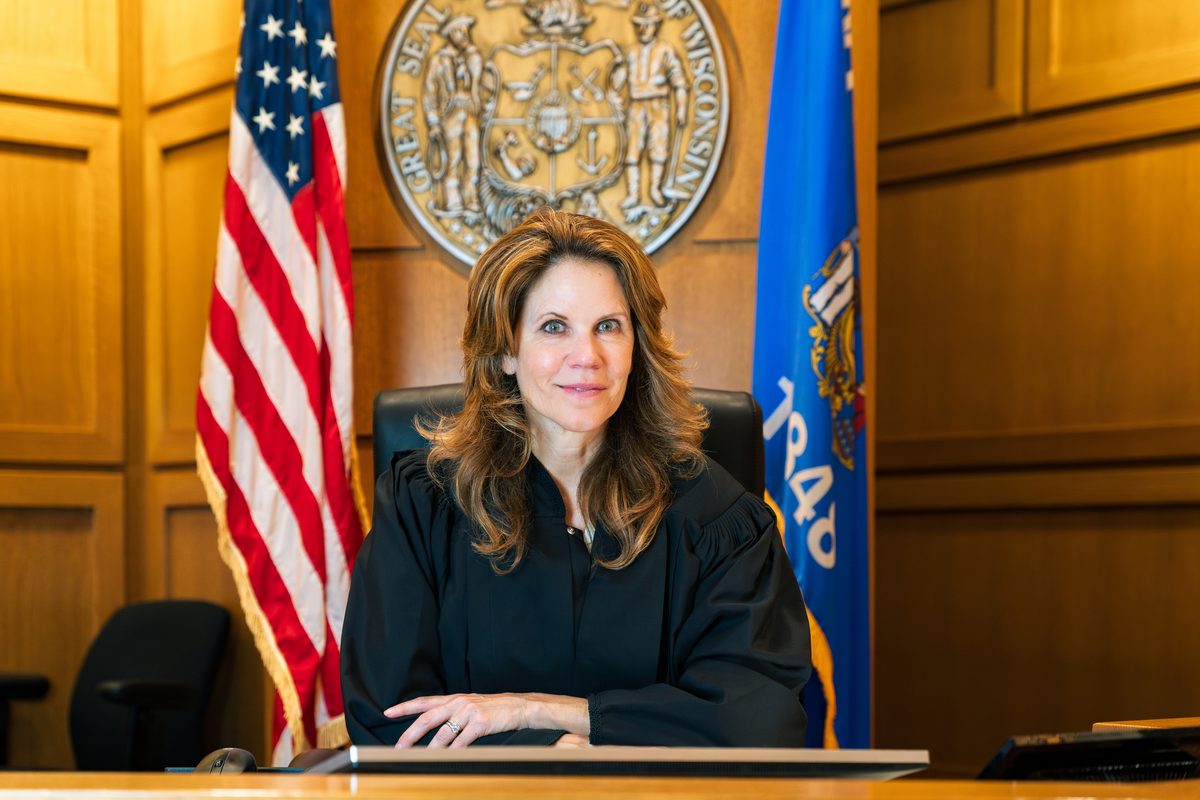
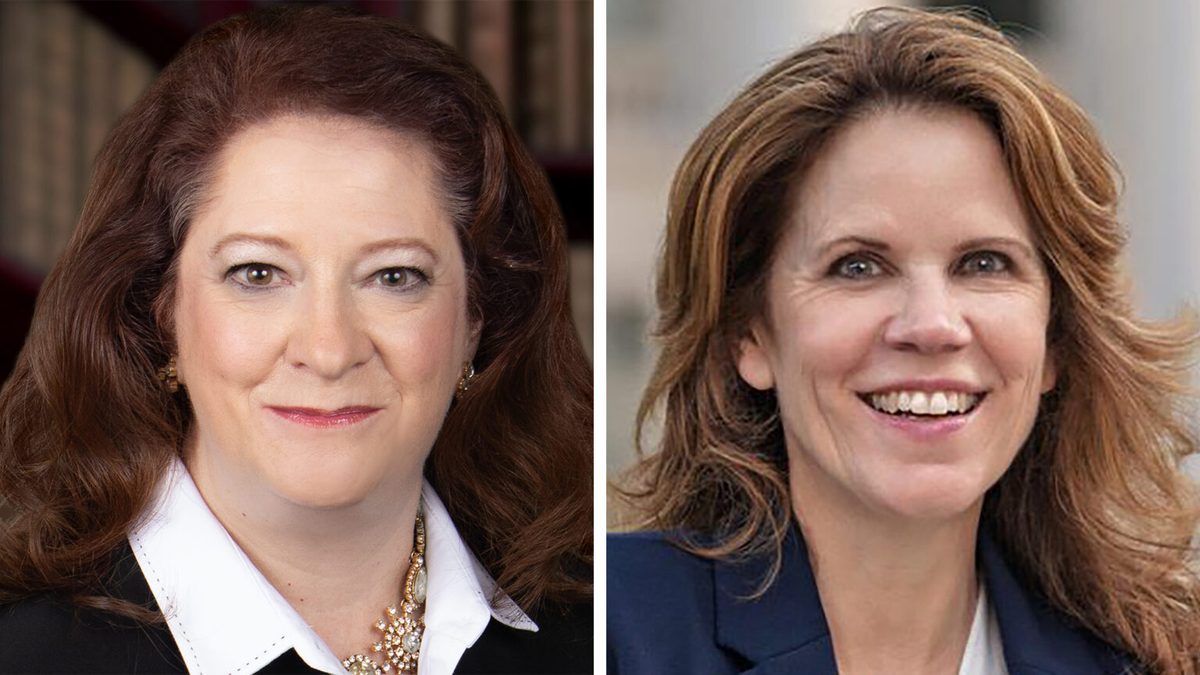
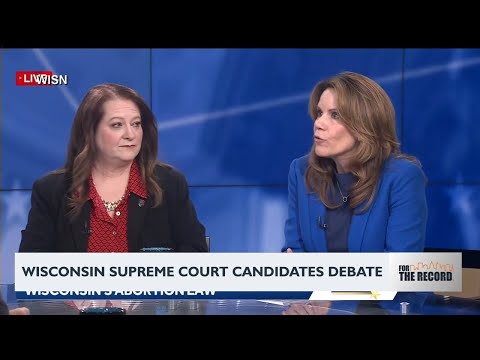
Wisconsin voters went to the polls on April 7 in a state Supreme Court race that could expand the liberal majority from 4-3 to 5-2, a margin wide enough to withstand the recusal tactics that have threatened the current majority's ability to hear major cases. Liberal Appeals Court Judge Chris Taylor faced conservative Appeals Court Judge Maria Lazar for a 10-year seat being vacated by retiring conservative Justice Rebecca Bradley.

Why it matters

A 5-2 court can survive recusal challenges and forced absences that would paralyze a 4-3 majority on redistricting and election cases.

Key Indicators

4→5
Potential liberal justices on 7-member court
A Taylor win would expand the liberal bloc from a bare majority to a two-seat cushion
8:1
Taylor-to-Lazar spending ratio
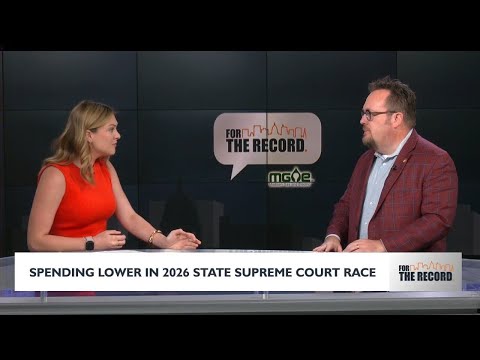
Taylor's campaign spent $5.3 million versus Lazar's $688,000 through late March
$8.9M
Total race spending (through March 31)
A fraction of the $115 million spent on the 2025 race, reflecting the reduced stakes
4 of 5
Recent liberal wins in Wisconsin Supreme Court races
Liberals have won in 2018, 2020, 2023, and 2025, losing only in 2019
46%
Voters undecided in final pre-election poll
Marquette University Law School poll showed Taylor leading 30-22 among likely voters with many still undecided

Interactive

Exploring all sides of a story is often best achieved with Play.

Ever wondered what historical figures would say about today's headlines?

Sign up to generate historical perspectives on this story.

Sign Up

Debate Arena

Two rounds, two personas, one winner. You set the crossfire.

People Involved

Organizations Involved

Timeline

  1. Wisconsin voters go to the polls in Supreme Court election

    Election

    Voters cast ballots in a race between Taylor and Lazar. Taylor entered election day with a large polling and fundraising advantage, though nearly half of voters remained undecided in the final major poll.

  2. Marquette poll shows Taylor leading among likely voters

    Poll

    The Marquette University Law School poll finds Taylor leading 30% to 22%, with 46% of registered voters still undecided. Democrats show significantly higher enthusiasm to vote than Republicans.

  3. Taylor and Lazar advance through nonpartisan primary

    Election

    Chris Taylor and Maria Lazar win the top two spots in the nonpartisan primary, setting up the April general election.

  4. Conservative Justice Rebecca Bradley announces she won't seek re-election

    Statement

    Bradley says the 'best path to rebuild the conservative movement' is not as a minority member of the court, opening the seat that could expand the liberal majority to 5-2.

  5. Court rules Wisconsin's 1849 law does not ban abortion

    Legal

    In a 4-3 ruling, the court finds the legislature effectively repealed the pre-Civil War abortion statute through subsequent laws, restoring abortion access in the state.

  6. Susan Crawford wins $115 million Supreme Court race, preserving liberal majority

    Election

    Crawford defeats former Attorney General Brad Schimel in the most expensive judicial election ever, despite over $25 million in spending by Elon Musk-backed groups supporting Schimel.

  7. Governor Evers signs new legislative maps into law

    Legal

    Facing court-drawn maps, the legislature passes Governor Evers's proposed maps. Democrats go on to pick up 14 seats in the 2024 elections under the new boundaries.

  8. Court strikes down Republican-drawn legislative maps

    Legal

    In a 4-3 ruling, the liberal majority strikes down gerrymandered Assembly and Senate district maps, finding at least 50 of 99 Assembly districts violated constitutional contiguity requirements.

  9. Protasiewicz flips court in most expensive judicial race in U.S. history

    Election

    Janet Protasiewicz defeats Daniel Kelly 55.5% to 44.5% in a $51 million race, giving liberals a 4-3 majority for the first time since 2008.

  10. Conservatives take control of Wisconsin Supreme Court

    Election

    Conservative Michael Gableman defeats liberal incumbent Louis Butler, establishing a 4-3 conservative majority that would hold for 15 years.

Scenarios

1

Taylor wins, liberals secure 5-2 supermajority

Discussed by: Marquette Law School polling, NBC News analysis, The Hill (reporting Wisconsin Republicans 'bracing for defeat')

Taylor's consistent polling lead, massive fundraising advantage, and higher Democratic enthusiasm make this the expected outcome. A 5-2 majority would allow the liberal bloc to pursue recusal reform, hear congressional redistricting challenges without vulnerability to recusal tactics, and enter the 2028 election cycle with a comfortable margin. Conservative Justice Annette Ziegler's seat comes up in 2027, and given recent trends, liberals could potentially reach 6-1.

2

Lazar pulls upset, court stays at 4-3

Discussed by: Lazar campaign messaging, conservative legal organizations

With 46% of voters undecided in the final poll and early voting down by more than half from 2025, a low-turnout scenario could benefit Lazar if conservative voters show up disproportionately. The race has drawn minimal national attention or spending, meaning the outcome may hinge on which side's base is more motivated in a low-profile spring election. A Lazar win would preserve the status quo: liberals maintain their majority but remain vulnerable to recusal-based challenges on key cases.

3

Taylor wins narrowly, but margin signals conservative resilience

Discussed by: Sabato's Crystal Ball, Wisconsin political observers

Even in a Taylor victory, the margin matters. A closer-than-expected result could suggest the four-race liberal winning streak is built on specific conditions — high-stakes national attention and massive spending — rather than a durable shift in Wisconsin judicial politics. This would influence strategy for the 2027 race (Ziegler's seat) and whether national donors re-engage.

Historical Context

Pennsylvania Supreme Court flip and redistricting (2015-2018)

November 2015 - February 2018

What Happened

Democrats swept all three open seats on the Pennsylvania Supreme Court in 2015, creating a 5-2 majority. In January 2018, the new court ruled the state's congressional map was an unconstitutional partisan gerrymander — under the 2011 Republican-drawn map, GOP candidates had won 13 of 18 seats despite receiving only 49% of the statewide vote. When the legislature failed to agree on a replacement, the court drew its own maps.

Outcome

Short Term

Democrats gained three congressional seats in the 2018 midterms under the redrawn maps, and the new map was widely considered one of the fairest in the country.

Long Term

The ruling established that state constitutions could provide independent grounds to challenge partisan gerrymandering — a principle that became even more important after the U.S. Supreme Court ruled in 2019 that federal courts could not hear such claims.

Why It's Relevant Today

Wisconsin's liberal majority has already redrawn state legislative maps and is now considering congressional redistricting cases. Pennsylvania shows the full arc: court flip, map challenge, redrawn districts, changed election outcomes.

North Carolina Supreme Court reversal on gerrymandering (2022-2023)

November 2022 - April 2023

What Happened

Republicans flipped the North Carolina Supreme Court to a 5-2 majority in the 2022 elections. Within months, the new court took the extraordinary step of rehearsing and reversing the previous liberal majority's rulings that had struck down partisan gerrymandering and a voter identification law — decisions issued just months earlier.

Outcome

Short Term

Republicans drew aggressively gerrymandered maps that helped them gain three to four congressional seats in the 2024 elections.

Long Term

The reversal demonstrated that a supermajority is structurally different from a bare majority: the North Carolina court was willing to reverse recent precedent, something a narrow majority might hesitate to do given institutional legitimacy concerns.

Why It's Relevant Today

North Carolina illustrates what a supermajority enables — and what Wisconsin liberals are seeking. A 5-2 majority wouldn't just survive recusal challenges; it could pursue bolder action on recusal reform, congressional redistricting, and election rules with less institutional risk.

Wisconsin Supreme Court flip in the Protasiewicz race (2023)

April 2023

What Happened

Janet Protasiewicz defeated Daniel Kelly by 11 points in a $51 million race — the most expensive judicial election in U.S. history at the time — flipping the court from a 15-year conservative majority to a 4-3 liberal majority. Republicans immediately demanded Protasiewicz recuse herself from redistricting cases because she had called existing maps 'rigged' during her campaign.

Outcome

Short Term

Protasiewicz declined to recuse. The court struck down gerrymandered legislative maps in December 2023, and new maps helped Democrats gain 14 state legislative seats in 2024.

Long Term

The race marked the beginning of three consecutive cycles where Wisconsin's Supreme Court elections attracted national attention and record spending, culminating in the $115 million 2025 race. It also established recusal demands as a primary conservative tactical tool against the liberal majority.

Why It's Relevant Today

The 2023 race created the 4-3 majority that the 2026 election could expand to 5-2. The recusal controversy it generated is the central reason the margin matters: at 4-3, a single forced recusal neutralizes the majority.

Sources

(15)