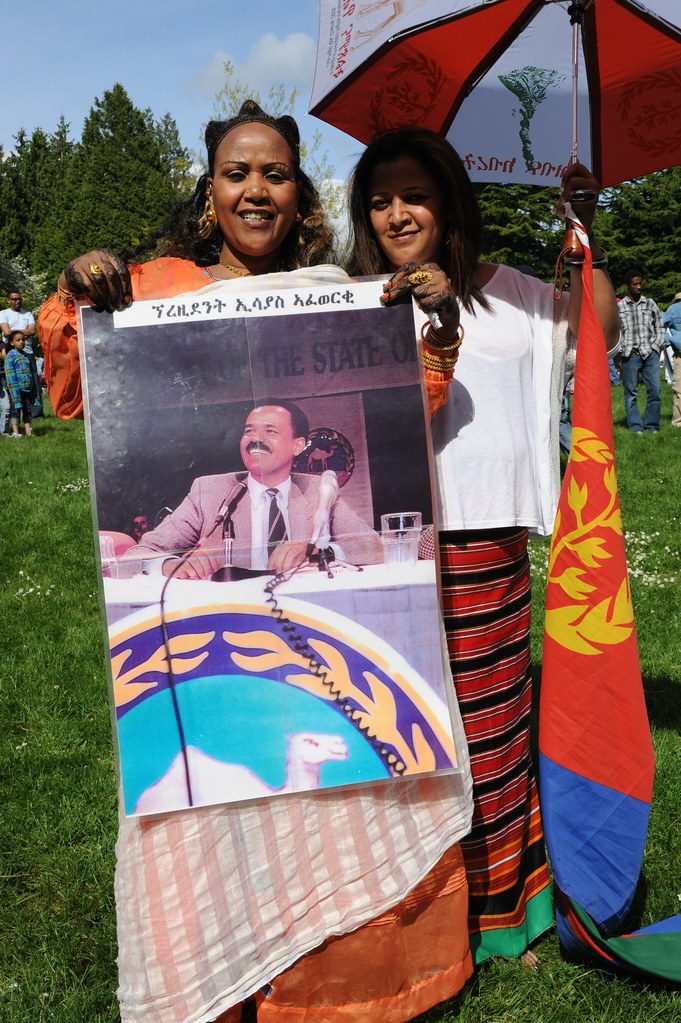
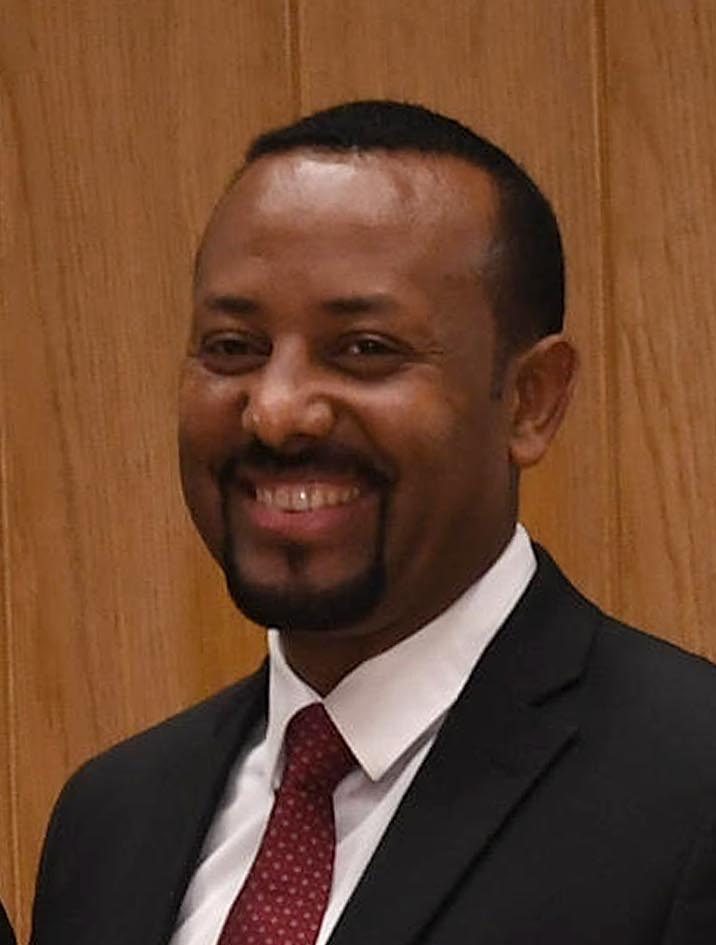
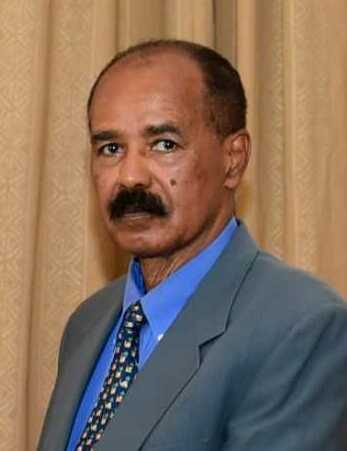
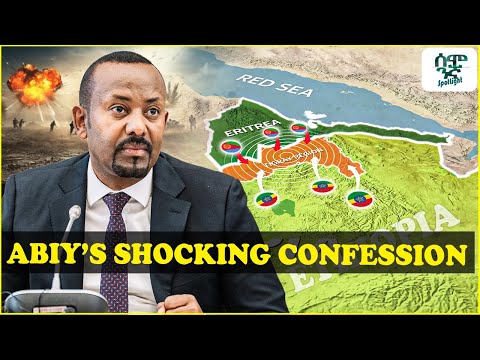
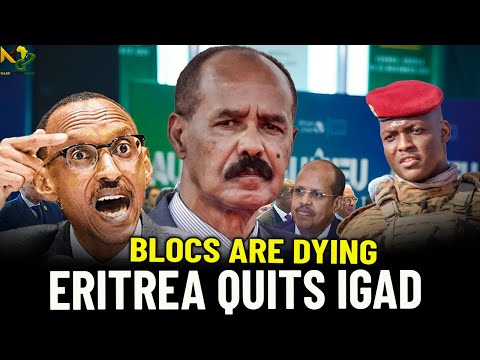
Ethiopian Prime Minister Abiy Ahmed won the 2019 Nobel Peace Prize for ending a 20-year standoff with Eritrea. Now he's publicly accusing Eritrean troops of massacring Ethiopian civilians during their joint war against Tigray—a war they fought together as allies.
In a February 3 address to parliament, Abiy stated that Eritrean forces 'massacred our youth in Axum, looted factories in Adwa, and uprooted our factories.' This marks the first time Ethiopian leadership has officially acknowledged Eritrean atrocities documented by human rights groups since 2020. Abiy reframed the Ethiopia-Eritrea rift as rooted in these Tigray-era crimes rather than his push for Red Sea access, claiming he'd sent envoys to Eritrea during the war urging them to halt the killings. Eritrea's Information Minister dismissed the claims as 'cheap and despicable lies' and accused Abiy of using atrocity allegations as cover for a 'reckless and illicit war agenda.'
The accusation arrives as fighting resumes in Tigray with clashes between Tigrayan, Ethiopian, and Amhara forces; on January 29-30, TPLF captured Korem and Alamata, the most significant confrontation since November 2022. The hardline TPLF faction has rebuilt ties with former enemy Eritrea, while Ethiopia alleges Eritrea arms the Fano militia—an Amhara group fighting the federal government. On January 14, Ethiopian police claimed to have intercepted 57,000 rounds of ammunition allegedly from Eritrea destined for Fano fighters. The underlying dispute remains unchanged: landlocked Ethiopia wants Red Sea port access; Eritrea controls the coastline and shows no willingness to share it. The two-year Tigray war killed an estimated 300,000 to 600,000 people and never truly ended.
Questions about this story
Free account needed to ask — your question is kept and asked for you right after sign-up. Answers are public.
No questions yet — be the first to ask.
Key Indicators
300,000–600,000
Estimated Tigray War Deaths
Total fatalities from fighting, famine, and healthcare collapse during the 2020-2022 war, according to Ghent University researchers and African Union envoy Olusegun Obasanjo
57,000
Ammunition Rounds Intercepted
Ethiopian police claim January 14 seizure of ammunition allegedly from Eritrea destined for Fano militia, signaling weapons smuggling escalation
20 years
Pre-2018 Border Standoff
Duration of the frozen conflict following the 1998-2000 border war before Abiy's peace initiative
120 million
Ethiopia's Population
Africa's second-most populous nation is landlocked, paying an estimated $1.6 billion annually in port fees to Djibouti
Images from Openverse under Creative Commons licenses.
Videos from YouTube.
Voices
Curated perspectives — historical figures and your fellow readers.
George Orwell
(1903-1950) ·Modernist · satire
Fictional AI pastiche — not real quote.
"How efficiently modern statecraft converts yesterday's decorated heroes into today's war criminals—the medals remain real, only the narrative changes. One might reasonably wonder whether the massacre was acceptable when it served the alliance, or whether acknowledging it now serves a different convenience. Either way, the bodies in Axum care nothing for Nobel prizes or parliamentary speeches."
0% found this insightful
Ever wondered what historical figures would say about today's headlines?
Sign up to generate historical perspectives on this story.
22 events
Latest: February 3rd, 2026 · 8 months ago
Showing 8 of 22
JK to step
Tap a bar to jump to that date
Jump to
February 2026
Abiy Accuses Eritrea of Mass Killings
LatestStatement
In address to parliament, Prime Minister Abiy Ahmed publicly accused Eritrea of massacring civilians during the Tigray war—the first official Ethiopian acknowledgment of Eritrean atrocities.
Abiy Reframes Eritrea Rift as Rooted in Tigray Atrocities
Statement
In parliamentary address, PM Abiy Ahmed claims the Ethiopia-Eritrea deterioration stems from Eritrean war crimes in Tigray, not Red Sea access ambitions. He states he sent envoys during the war urging Eritrea to halt killings and looting.
Eritrea Accuses Abiy of Using Atrocities as War Cover
Statement
Eritrea's Information Minister Yemane Gebremeskel responds to Abiy's atrocity claims, calling them a pretext for Ethiopia's 'reckless and illicit war agenda' and noting Ethiopia previously awarded medals to Eritrean officers.
Tigrayan Withdrawal from Tselemti
Military
Tigrayan forces withdrew from Tselemti district after several days of intense clashes. Leadership described the withdrawal as demonstrating readiness for dialogue.
January 2026
Tigrayan Forces Capture Alamata and Korem
Military
TPLF-aligned forces entered Korem and Alamata in southern Tigray's Raya district after Ethiopian federal forces withdrew without apparent resistance. Ethiopia cancelled all flights to Tigray and conducted drone strikes.
TPLF Takes Korem and Alamata
Military
Tigrayan forces entered Korem and Alamata in southern Tigray's Raya district without apparent federal resistance. Ethiopia cancelled all flights to Tigray and conducted drone strikes.
Tigray Forces Launch Tselemti Offensive
Military
TPLF-aligned forces launched an offensive on disputed Tselemti district, clashing with Ethiopian troops and Amhara militias. An estimated 25,000 fighters participated in a second wave.
Ethiopia Intercepts Ammunition Allegedly from Eritrea
Military
Ethiopian federal police claim they intercepted a truck in Woldia carrying 57,000 rounds of ammunition allegedly from Eritrea destined for Fano militia. Ethiopia accused Eritrea of being caught 'red handed' arming rebels; Eritrea denied allegations as 'false flag.'
December 2025
Egypt-Eritrea Port Agreement
Diplomatic
Egypt reportedly signed a deal with Eritrea to upgrade the port of Assab and create berths for warships, strengthening an alliance that challenges Ethiopia's regional position.
October 2025
Ethiopia Claims Eritrea Preparing for War
Statement
Ethiopia's government stated that Eritrea was 'actively preparing to wage war against it,' accusing Asmara of arming rebel groups.
July 2025
Isaias Calls Abiy's Port Ambitions 'Crazy'
Statement
Eritrean President Isaias Afwerki accused Ethiopia of preparing for war and described Abiy's Red Sea port ambitions as 'the plan of a crazy person.'
March 2025
TPLF Internal Coup
Political
Hardline TPLF faction led by Debretsion Gebremichael ousted interim leader Getachew Reda, accusing him of being too close to Abiy Ahmed. Reports emerged of the faction rebuilding ties with Eritrea.
2024
Ethiopia-Somaliland Port Deal
Diplomatic
Ethiopia signed a memorandum of understanding with Somaliland to lease 20 kilometers of coastline for 50 years, signaling Abiy's determination to regain sea access through alternative routes.
November 2022
Pretoria Agreement Signed
Diplomatic
Ethiopian and TPLF representatives signed a peace agreement in Pretoria, South Africa, establishing a permanent cessation of hostilities. Eritrea was not a party to the deal.
November 2020
Axum Massacre
Atrocity
Eritrean forces killed an estimated 200-800 civilians in Axum over two days, according to investigations by Amnesty International and Human Rights Watch. Eritrea denied the allegations.
Tigray War Begins
Military
Ethiopian federal forces launched a military offensive against the TPLF in Tigray. Eritrean troops crossed the border to fight alongside Ethiopian forces, though both governments initially denied this.
October 2019
Abiy Awarded Nobel Peace Prize
Recognition
Abiy Ahmed received the Nobel Peace Prize 'for his efforts to achieve peace and international cooperation, and in particular for his decisive initiative to resolve the border conflict with neighbouring Eritrea.'
July 2018
Ethiopia-Eritrea Peace Declaration
Diplomatic
Abiy Ahmed and Isaias Afwerki signed a 'Joint Declaration of Peace and Friendship' in Asmara, ending the 20-year standoff and restoring diplomatic ties.
April 2018
Abiy Ahmed Becomes Prime Minister
Political
Abiy Ahmed took office and quickly announced he would accept the 2002 border ruling, opening the door to reconciliation with Eritrea.
December 2000
Algiers Peace Agreement Signed
Diplomatic
Ethiopia and Eritrea signed a peace agreement. A 2002 boundary commission ruling awarded Badme to Eritrea, but Ethiopia refused to comply, freezing the conflict for 18 years.
May 1998
Eritrea-Ethiopia Border War Begins
Military
Eritrean forces captured the disputed border town of Badme, triggering a two-year war that killed 70,000-300,000 people and displaced 600,000.
May 1993
Eritrea Gains Independence
Political
Eritrea formally separated from Ethiopia following a 30-year independence war, taking the entire coastline and making Ethiopia landlocked.
Scenarios
1
Ethiopia and Eritrea Return to Full-Scale War
Possible
Discussed by: International Crisis Group, Foreign Policy, analysts including Yohannes Woldemariam
Direct military conflict between Ethiopian and Eritrean forces, potentially triggered by Ethiopia supporting Eritrean opposition groups or by Eritrea backing a TPLF offensive. This would resurrect the dynamics of the 1998-2000 border war but with additional complexity from the Tigray conflict. Egypt's reported military infrastructure investments in Eritrea could embolden Asmara. Crisis Group warns the 'most dire scenario' would drag the region back into devastating war.
2
Proxy War Escalates Without Direct Confrontation
Likely
Discussed by: Horn of Africa analysts, ACLED, Ethiopia Insight
Ethiopia and Eritrea avoid direct engagement but intensify support for armed groups against each other. Ethiopia reportedly hosts Eritrean opposition groups in its Afar region; Eritrea allegedly supports hardline TPLF factions. Fighting continues in Tigray with both powers maintaining deniability. The Pretoria Agreement becomes dead letter while formal peace persists between Addis Ababa and Asmara.
3
African Union Brokers New Peace Framework
Uncertain
Discussed by: Crisis Group, Institute for Security Studies Africa
The African Union's Pretoria Agreement mediators—Kenya, South Africa, and Nigeria—re-engage to prevent collapse. A new framework would need to address what the original deal left out: Eritrea's security interests, contested territories between Tigray and Amhara, and the underlying question of Ethiopian sea access. This would require Eritrea to accept a seat at the table it was excluded from in 2022.
4
Ethiopia Secures Alternative Red Sea Access
Possible
Discussed by: Atlantic Council, Institute for Strategic Studies
Ethiopia's Somaliland port deal or negotiations with Djibouti succeed in providing adequate sea access, reducing pressure on the Eritrea relationship. The December 2024 Ankara Declaration between Ethiopia and Somalia could clear obstacles to the Somaliland arrangement. This outcome would not resolve the immediate Tigray crisis but could defuse the broader geopolitical tension driving Ethiopia-Eritrea hostility.
5
Proxy War Escalates with Eritrea-TPLF-Fano Alliance
Likely
Discussed by: ACLED analysts, Horn of Africa experts, International Crisis Group
Ethiopia and Eritrea avoid direct military engagement but intensify support for armed groups against each other. Eritrea backs hardline TPLF factions and potentially Fano militias; Ethiopia hosts Eritrean opposition groups. Fighting spreads across Tigray, Amhara, and Afar regions with both powers maintaining deniability. The Pretoria Agreement becomes a dead letter while formal peace persists between Addis Ababa and Asmara.
6
Weapons Smuggling Allegations Trigger Direct Confrontation
Ethiopia uses the January 14 ammunition interception as justification for military action against Eritrea, either direct strikes or support for Eritrean opposition groups. Eritrea retaliates, escalating from proxy dynamics to direct military confrontation reminiscent of the 1998-2000 border war.
Historical Context
3 moments from history that rhyme with this story — and how they unfolded.
1 of 3
1998-2003
Rwanda-Uganda Alliance Collapse (1998-2003)
Rwanda and Uganda jointly invaded Zaire in 1996-1997, installing Laurent-Désiré Kabila as president of the renamed Democratic Republic of Congo. Within a year, Kabila turned against his backers. Rwanda invaded again in 1998—but this time Uganda and Rwanda fell out, supporting rival proxy forces in the Second Congo War.
Then
The Second Congo War killed an estimated 5.4 million people, primarily from disease and malnutrition, making it the deadliest conflict since World War II.
Now
A 2010 United Nations report accused the Rwandan army of crimes against humanity in Congo—atrocities committed alongside the same Ugandan forces that later became their adversaries. Proxy conflicts continue in eastern Congo to this day.
Why this matters now
The Ethiopia-Eritrea dynamic mirrors this pattern: wartime allies who jointly committed atrocities, followed by rapid geopolitical reversal and mutual accusations. Both cases show how alliances forged in war can collapse when the common enemy is defeated and competing interests emerge.
2 of 3
May 1998-June 2000
Ethiopia-Eritrea Border War (1998-2000)
Five years after Eritrea's independence, the two countries went to war over the disputed town of Badme. The conflict involved 500,000 troops and was the largest war in the world at the time. Ethiopia mobilized its army from 60,000 to 350,000 soldiers; both countries spent hundreds of millions of dollars they could not afford.
Then
An estimated 70,000-300,000 people died and 600,000 were displaced. Ethiopia occupied about a quarter of Eritrean territory before a ceasefire.
Now
A 2002 international boundary commission awarded Badme to Eritrea, but Ethiopia refused to implement the ruling. The two countries remained in a 'no war, no peace' standoff for 18 years until Abiy's 2018 peace initiative.
Why this matters now
This is the war Abiy Ahmed ended to win his Nobel Prize—and the frozen conflict that could reignite. The unresolved Badme ruling, never implemented despite the 2018 peace declaration, represents the structural fragility underlying the current tensions.
3 of 3
1991-2001
Yugoslavia's Dissolution and War Crimes Trials (1991-2001)
Former allies in the Yugoslav federation—Serbs, Croats, Bosniaks—turned on each other as the country disintegrated. Leaders who had cooperated within the communist system orchestrated ethnic cleansing campaigns against former compatriots. The Srebrenica massacre killed over 8,000 Bosniak men and boys.
Then
NATO intervention, peace agreements at Dayton (1995) and after the Kosovo war (1999).
Now
The International Criminal Tribunal for the former Yugoslavia prosecuted leaders from all sides, establishing that wartime atrocities could result in individual criminal accountability regardless of political outcome.
Why this matters now
Abiy's public acknowledgment of Eritrean atrocities echoes the post-Yugoslavia accountability debates. The documented massacres at Axum and elsewhere raise questions about whether any international mechanism will pursue justice—and whether such proceedings would stabilize or destabilize the Horn of Africa.