


Pull to refresh
Logo
Daily Brief
Following
Why
VinFast's $4 billion bet on American EV manufacturing

VinFast's $4 billion bet on American EV manufacturing

Built World
By Newzino Staff |

Vietnam's first automaker attempts to build credibility through U.S. production

July 1st, 2024: Production Delayed to 2028

Overview

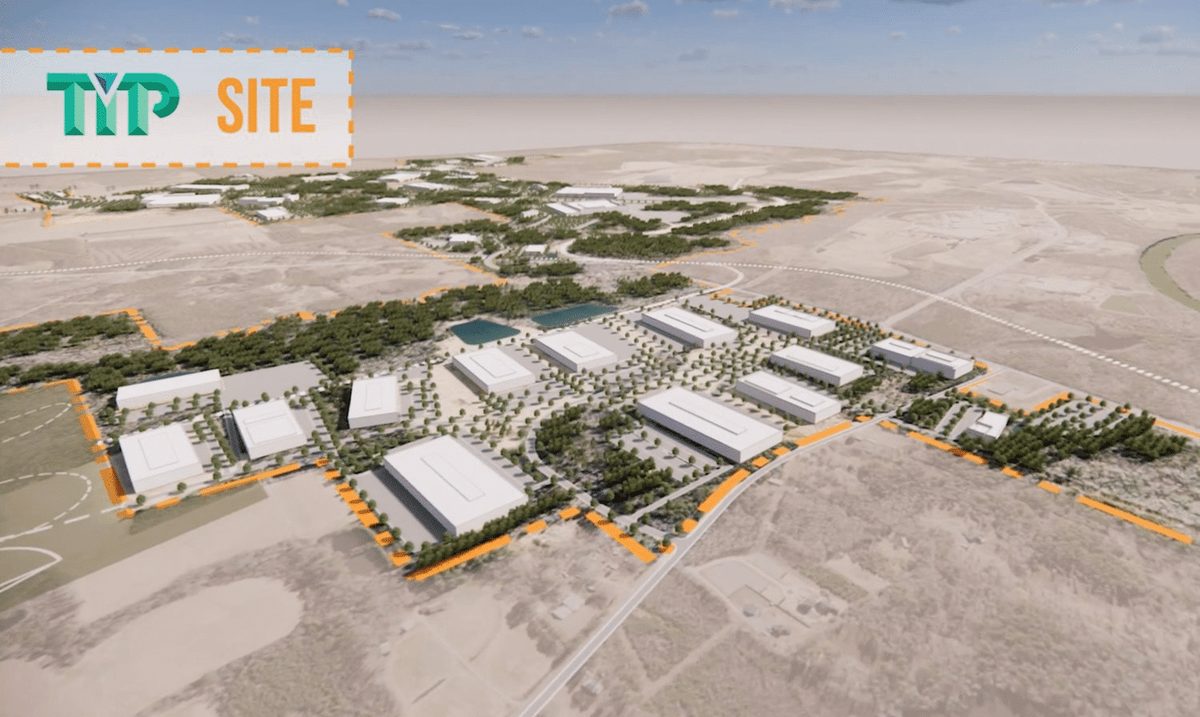
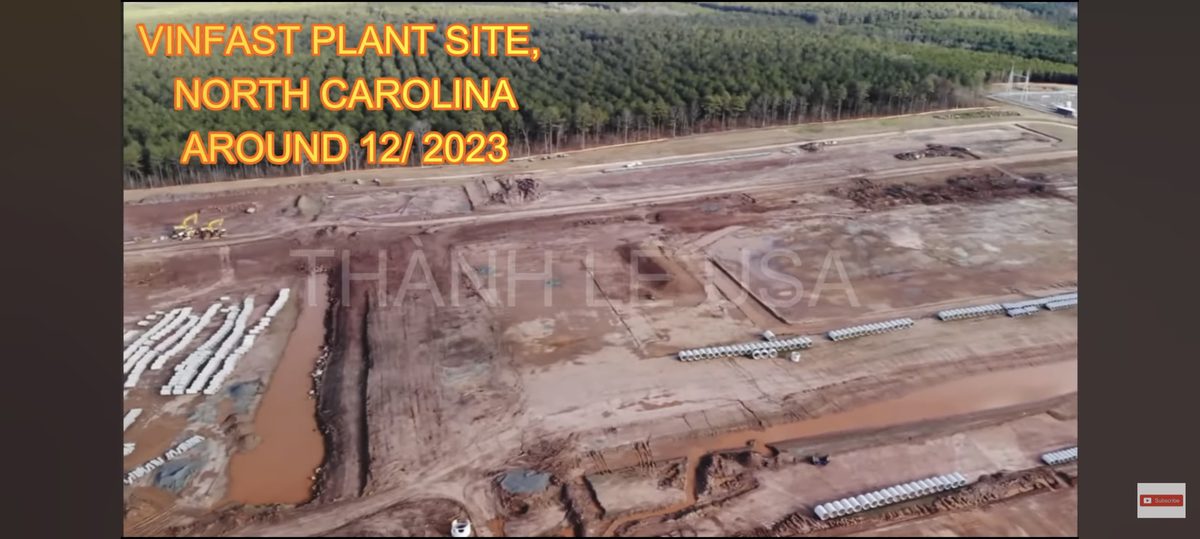
Vietnam has never had its own automaker—until VinFast. In July 2023, the six-year-old company broke ground on a 1,800-acre electric vehicle factory in rural North Carolina, pledging $4 billion and 7,500 jobs. It marked the largest economic development project in state history and North Carolina's first automotive manufacturing facility.

Key Indicators

$4B
Pledged Investment
Total planned investment over four years for the North Carolina facility
2028
New Production Target
Delayed from original 2024 timeline, pushed back three times
7,500
Promised Jobs
Manufacturing positions at average salary of $51,096
$1.2B
State Incentives
Taxpayer-funded incentive package including $450 million for site preparation
96%
Stock Decline from Peak
VFS shares fell from approximately $80 to under $4 between late 2023 and mid-2024

Interactive

Exploring all sides of a story is often best achieved with Play.

Ever wondered what historical figures would say about today's headlines?

Sign up to generate historical perspectives on this story.

Sign Up

Debate Arena

Two rounds, two personas, one winner. You set the crossfire.

People Involved

Pham Nhat Vuong
Pham Nhat Vuong
Founder and Chairman of Vingroup; CEO of VinFast (since January 2024) (Personally funding VinFast operations; net worth approximately $20 billion)
Roy Cooper
Roy Cooper
Governor of North Carolina (2017-2025) (Left office January 2025; attended groundbreaking ceremony)

Organizations Involved

VinFast Auto Ltd.
VinFast Auto Ltd.
Electric Vehicle Manufacturer
Status: Publicly traded (NASDAQ: VFS); production delayed to 2028

Vietnamese electric vehicle manufacturer and subsidiary of Vingroup, Vietnam's largest private conglomerate.

Chatham County Economic Development Corporation
Economic Development Agency
Status: Managing Triangle Innovation Point development

Local agency that recruited VinFast and manages the 2,150-acre Triangle Innovation Point megasite.

State of North Carolina
State Government
Status: Committed $1.2 billion in incentives; proceeding with infrastructure

Provided the largest incentive package in state history and exercised eminent domain for road access.

Timeline

  1. Production Delayed to 2028

    Corporate

    VinFast announces North Carolina production will not begin until 2028, citing need to 'optimize capital allocation and manage short-term spending.'

  2. Stock Falls to Record Low

    Financial

    VFS shares plunge to $3.60, down 96% from all-time highs, as VinFast reports minimal cash reserves of $168 million against $3.3 billion in 2023 losses.

  3. Founder Takes Over as CEO

    Leadership

    Pham Nhat Vuong assumes the role of VinFast CEO, pledging personal funds to sustain operations.

  4. Stock Loses $83 Billion in One Day

    Financial

    VinFast shares crash, wiping out $83 billion in market value in a single trading session as the initial trading frenzy subsides.

  5. VinFast Debuts on NASDAQ

    Financial

    VinFast begins trading on NASDAQ under ticker VFS following SPAC merger with Black Spade Acquisition Co., initially valued at over $23 billion.

  6. Groundbreaking Ceremony Held

    Milestone

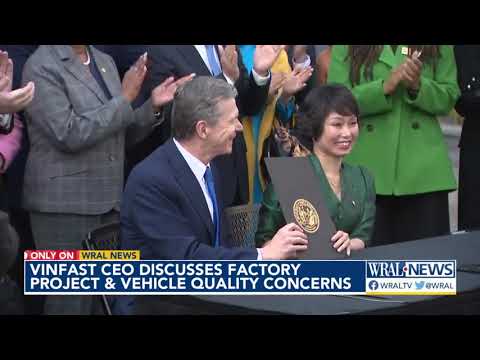
    VinFast breaks ground at the 1,800-acre North Carolina site. Governor Cooper and Vietnamese Ambassador Nguyen Quoc Dzung attend the ceremony.

  7. First Production Delay Announced

    Corporate

    VinFast delays U.S. plant operations from 2024 to 2025, citing need for more time to complete administrative procedures.

  8. First U.S. Export Shipment

    Product

    VinFast exports its first batch of 999 VF 8 electric SUVs from Vietnam to the United States.

  9. North Carolina Site Selected

    Announcement

    Governor Roy Cooper announces VinFast will build a $4 billion factory at Triangle Innovation Point in Chatham County, creating 7,500 jobs. State pledges $1.2 billion in incentives.

  10. VinFast Announces U.S. Factory Plans

    Corporate

    Reports emerge that VinFast plans to build EV plants in Germany and the United States as part of its transition to all-electric vehicles.

  11. Paris Motor Show Debut

    Product

    VinFast unveils its first two vehicle models, the LUX A2.0 sedan and LUX SA2.0 SUV, at the Paris Motor Show.

  12. VinFast Founded in Vietnam

    Corporate

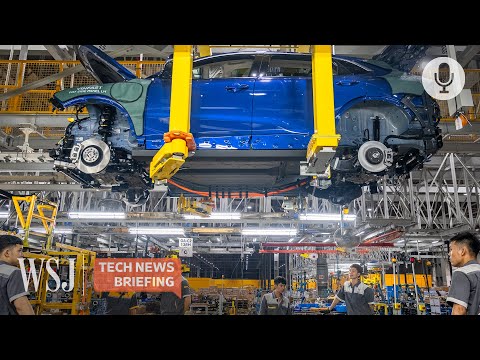
    Vingroup establishes VinFast as Vietnam's first automaker, breaking ground on an 828-acre factory near Haiphong.

Scenarios

1

VinFast Opens North Carolina Factory by 2028

Discussed by: VinFast investor communications; Chatham County Economic Development Corporation

VinFast stabilizes its finances through Asian market growth and founder funding, completes the Phase 1 factory, and begins producing 150,000 vehicles annually by 2028. The company leverages U.S. manufacturing to qualify for Inflation Reduction Act tax credits and builds credibility with American consumers skeptical of imported Vietnamese vehicles.

2

Factory Indefinitely Postponed; Site Repurposed

Discussed by: Carolina Journal; industry analysts tracking EV manufacturing delays

VinFast's continued losses and minimal U.S. sales make the North Carolina investment untenable. The company quietly abandons the project, and North Carolina seeks alternative tenants for Triangle Innovation Point. The state faces questions about $450 million in site preparation costs and eminent domain actions for a factory that never materialized.

3

Scaled-Down Facility Opens; Partnership Required

Discussed by: Automotive industry analysts; EV manufacturing consultants

VinFast proceeds with a reduced Phase 1, perhaps building only battery packs or a limited vehicle line. The company partners with an established automaker seeking U.S. production capacity, similar to how Rivian partnered with Amazon. This preserves some jobs and investment while reducing VinFast's exposure.

4

Vingroup Sells VinFast to Larger Automaker

Discussed by: Financial analysts; automotive M&A observers

Pham Nhat Vuong, facing continued losses and a collapsed stock price, sells VinFast to a Chinese, Korean, or legacy automaker seeking U.S. manufacturing footprint. The acquiring company could benefit from the permitted site, incentive packages, and avoided tariffs that come with domestic production.

Historical Context

Foxconn Wisconsin Factory (2017-2021)

2017-2021

What Happened

Taiwanese electronics manufacturer Foxconn announced a $10 billion factory in Wisconsin that would create 13,000 jobs, calling it the 'eighth wonder of the world.' Governor Scott Walker approved $4.5 billion in state and local incentives. The company scaled back repeatedly, ultimately building a small facility with a fraction of promised employment.

Outcome

Short Term

Wisconsin spent hundreds of millions on infrastructure and displaced residents for land acquisition.

Long Term

The project became a cautionary tale about mega-incentive packages for foreign manufacturers. Wisconsin renegotiated terms in 2021, reducing subsidies after Foxconn failed to meet job targets.

Why It's Relevant Today

VinFast's delays mirror Foxconn's pattern: grand announcement, massive incentives, then repeated timeline pushbacks. Both involved foreign companies with limited U.S. track records making ambitious production promises.

Tesla Fremont Factory Revival (2010)

2010

What Happened

Tesla acquired the shuttered NUMMI plant in Fremont, California for $42 million—a facility that had employed 5,000 workers for Toyota and GM. Skeptics questioned whether an unproven electric vehicle startup could succeed where established automakers had failed.

Outcome

Short Term

Tesla began Model S production in 2012, initially producing only thousands of vehicles annually.

Long Term

Fremont became Tesla's primary production hub, eventually producing over 500,000 vehicles per year and proving that EV startups could scale manufacturing.

Why It's Relevant Today

VinFast hopes to replicate Tesla's trajectory: absorb early losses, establish manufacturing credibility, then scale. But Tesla benefited from first-mover advantage in a nascent market; VinFast enters a crowded field with established competitors.

Hyundai Alabama Factory (2002-2005)

2002-2005

What Happened

Hyundai announced a $1 billion factory in Montgomery, Alabama in 2002. At the time, Korean automakers were seen as low-quality alternatives to Japanese and American manufacturers. Alabama provided $252 million in incentives to secure the plant.

Outcome

Short Term

The factory opened on schedule in 2005 and began producing the Sonata sedan.

Long Term

Hyundai used U.S. manufacturing to rebuild its reputation, eventually becoming the fourth-largest automaker in America. The Alabama plant now produces over 400,000 vehicles annually and anchored a Southeast automotive manufacturing cluster.

Why It's Relevant Today

VinFast explicitly aims to follow Hyundai's playbook: use domestic manufacturing to overcome skepticism about quality and build a credible American presence. The difference is VinFast's vehicles have received far worse initial reviews than Hyundai's did.

Sources

(10)