

Pull to refresh
Logo
Russia raises 2027 military spending 27% to highest level of the Ukraine war

Russia raises 2027 military spending 27% to highest level of the Ukraine war

Money Moves

Budget documents show 17.1 trillion roubles in defense costs and a doubled deficit forecast

Yesterday: Defense budget documents show 27% increase

Overview

Updated 57 minutes ago

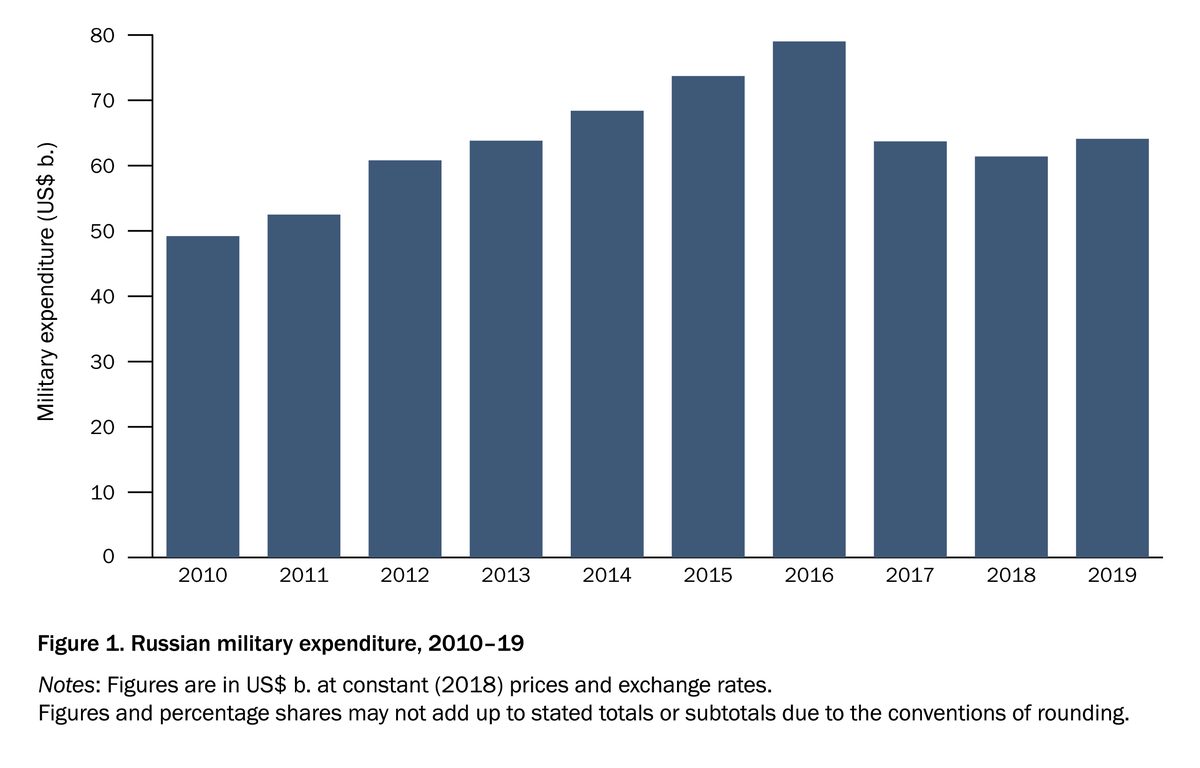
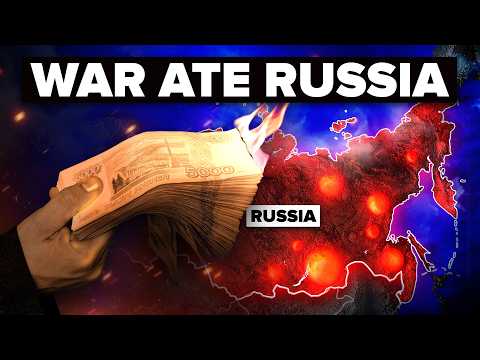
Russia plans to spend 17.1 trillion roubles ($202.6 billion) on defense in 2027, a 27% jump over its original plan and the highest figure since the invasion of Ukraine began in 2022. The numbers come from government budget documents reviewed by Reuters and published Monday.

The money is being raised through borrowing and new taxes, not fresh revenue. Moscow doubled its 2026 deficit forecast to 3.2% of gross domestic product, plans 43% more borrowing in 2027, and proposed new taxes on investment income, foreign online purchases, and mining profits to close the gap. Defense spending across 2027-2029 totals 50 trillion roubles ($591.7 billion).

Why it matters

Russia's war is now funded by record borrowing and new taxes, pushing a growing fiscal bill onto citizens and the economy for years to come.

Questions about this story

Free account needed to ask — your question is kept and asked for you right after sign-up. Answers are public.

No questions yet — be the first to ask.

Key Indicators

$202.6B
2027 defense spending
17.1 trillion roubles, up 27% from the 13.5 trillion originally budgeted.
27%
Increase over original 2027 defense plan
The largest year-over-year rise since the war began in 2022.
3.2%
2026 budget deficit forecast
Doubled from the earlier 1.6% of GDP estimate in the same documents.
43%
Increase in 2027 state borrowing
Total borrowing rises to 7.7 trillion roubles as debt tops 20% of GDP.
2,441,630
Russian military personnel after expansion
Putin's Sept. 28 decree adds 15,500 troops to the armed forces.

Voices

Curated perspectives — historical figures and your fellow readers.

Ever wondered what historical figures would say about today's headlines?

Sign up to generate historical perspectives on this story.

People Involved

Organizations Involved

Timeline

February 2022 October 2026

6 events Latest: Yesterday
Tap a bar to jump to that date
  1. Draft budget due before the State Duma

    Upcoming Procedural

    The government must formally submit the 2027-29 budget to parliament.

  2. Defense budget documents show 27% increase

    Latest Budget

    Reuters reports 2027 defense spending of 17.1 trillion roubles, the war's highest figure.

  3. Putin expands armed forces

    Policy

    Decree raises military headcount by 15,500 to 2,441,630 personnel.

  4. Finance Ministry submits 2027-29 draft budget

    Policy

    Draft introduces new taxes on passive income, online shopping, and mining profits.

  5. United Russia wins parliamentary elections

    Election

    Ruling party keeps its majority; observers call the vote rigged.

  6. Russia invades Ukraine

    Conflict

    Full-scale invasion begins a war that reshapes the federal budget.

Scenarios

1

Russia revises 2027 defense spending higher by spring

Possible Resolves by Q2 2027

Discussed by: CEPA analysts and previous budget cycles

The Kremlin revised its budgets upward in spring 2025 and 2026. If the war escalates in coming months, as current mobilization signals suggest, the 2027 targets could rise again before the fiscal year closes. This path keeps pushing the defense ceiling higher.

2

Deficit forces another round of tax increases

Likely Resolves by End of 2027

Discussed by: Euronews and Moscow Times analysis of Finance Ministry proposals

The 2027 draft already raises taxes on passive income, foreign e-commerce, and mining windfalls. With the deficit at 3.2% of GDP and debt climbing past the 20% mark the government calls safe, a second tax package becomes likely if revenue misses targets or the war drags on.

3

War de-escalation trims actual military outlays

Unlikely Resolves by Mar 1, 2028

Discussed by: Analyst consensus treats this as unlikely in the near term

If ceasefire negotiations advanced or sanctions bit hard, actual defense spending could undershoot the 17.1 trillion roubles budgeted. Treasury reports showing real outlays below plan would signal a move away from the wartime footing.

Historical Context

2 moments from history that rhyme with this story — and how they unfolded.

December 1979 – February 1989

Soviet-Afghan War (1979-1989)

The Soviet Union invaded Afghanistan in December 1979 and fought a decade-long counterinsurgency. The war drained the Soviet budget, strained an economy already slowing under the arms race, and ended with a full withdrawal in 1989.

Then

Soviet forces pulled out in 1989 leaving a collapsed Afghan state.

Now

The war's economic burden accelerated Soviet fiscal decline in the years before the union collapsed.

Why this matters now

Mirrors Russia's situation in Ukraine: prolonged war spending against sanctions, funded on borrowed time.

August 1998

Russian financial crisis (1998)

In August 1998, Russia defaulted on its domestic debt and devalued the ruble after falling oil prices and fiscal strain drained reserves. The government had borrowed heavily to cover budget shortfalls while tax collection collapsed.

Then

Ruble devaluation, bank failures, wage arrears, and a sharp recession.

Now

Russia rebuilt fiscal discipline in the 2000s on the back of high oil prices.

Why this matters now

Shows how heavy borrowing to cover budget gaps can become a sovereign crisis when commodity revenue falls.

Sources

(10)