

Pull to refresh
Logo
Appeals court reopens Trump's route to federal court in hush money case

Appeals court reopens Trump's route to federal court in hush money case

Rule Changes

The Second Circuit vacated a judge's refusal to let the case move, ordering a prompt removal decision and a pause in state court

Overview

Updated 1 hour ago

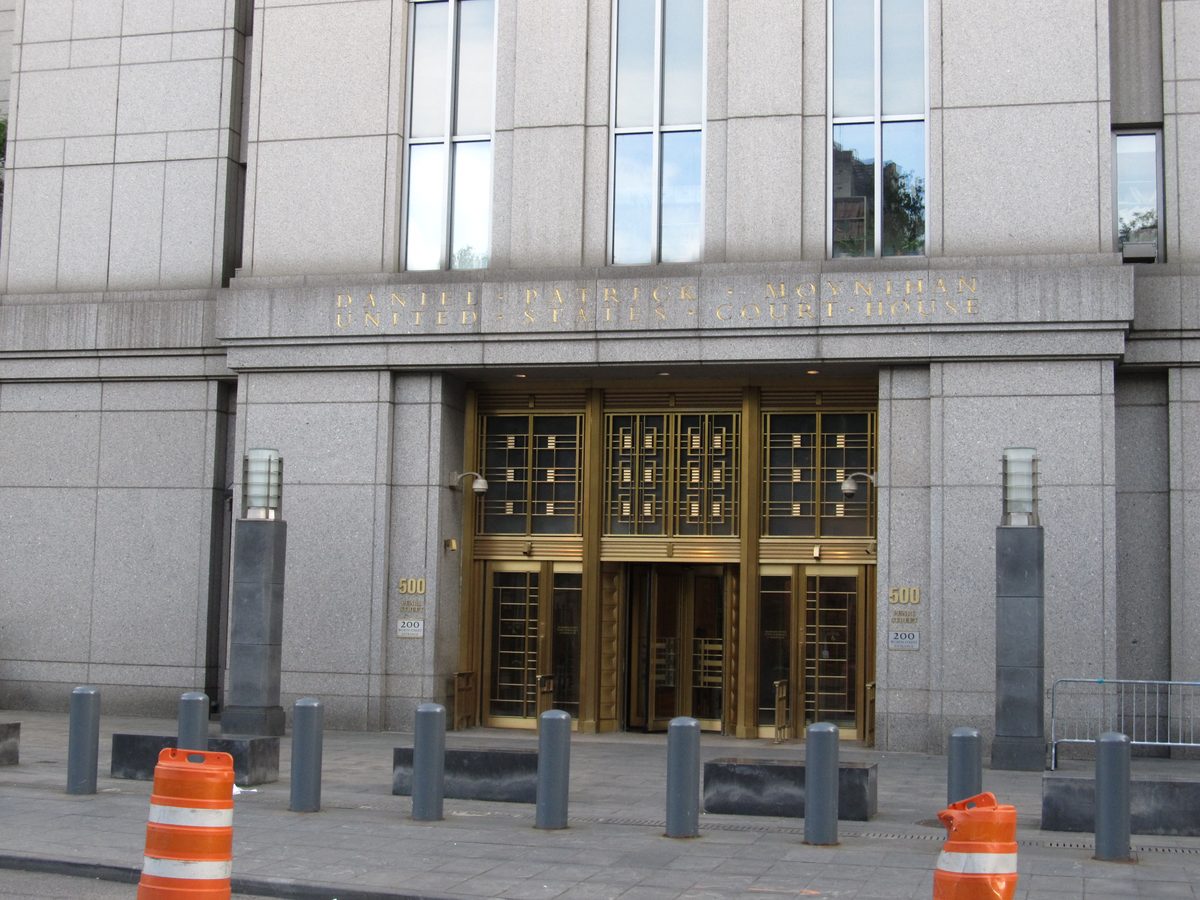
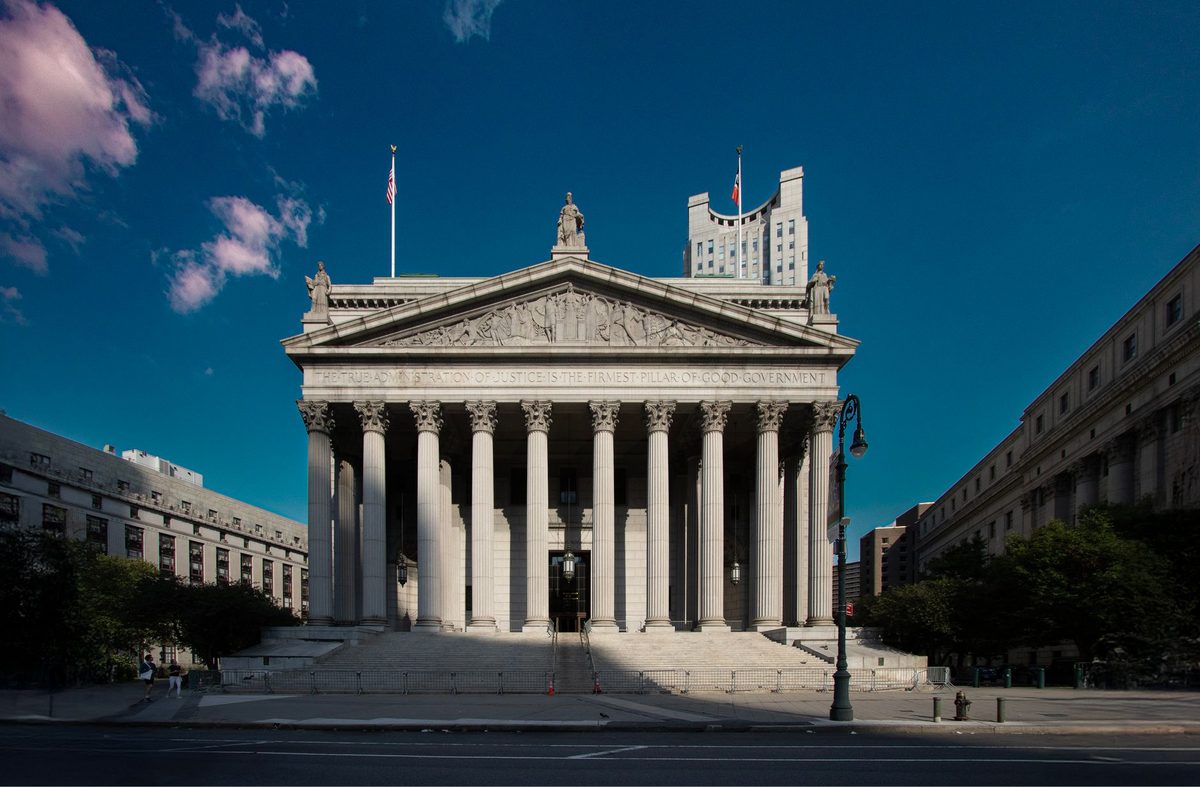
Twice since 2024, a Manhattan federal judge refused to move Donald Trump's hush money case out of state court. On Nov. 23, a three-judge federal appeals panel vacated the second refusal and ordered a new judge to let Trump file a removal notice.

The conviction stands. Trump remains guilty of 34 New York felonies, and the Second Circuit did not rule on immunity. What changed is the venue question: a federal judge must now decide quickly whether the case belongs in federal court, where Trump can argue that presidential immunity erases the verdict.

Why it matters

A sitting president's state felony conviction now depends on whether a federal judge takes the case, and what that judge does with immunity.

Questions about this story

Free account needed to ask — your question is kept and asked for you right after sign-up. Answers are public.

No questions yet — be the first to ask.

Key Indicators

34
Felony counts of conviction
A Manhattan jury convicted Trump on all 34 counts of falsifying business records in May 2024.
$130,000
Payment to Stormy Daniels
The payment, routed through Trump's then-lawyer, is the basis of the records charges.
3
Judges on the Second Circuit panel
Chief Judge Raymond Lohier Jr., John Walker Jr. and José Cabranes issued the Nov. 23 order.
87
Days from denial to appeals order
Judge Hellerstein denied the second removal bid on Aug. 28, 2026.
0
Counts erased so far
The appeals court did not dismiss the case or vacate any conviction.

Voices

Curated perspectives — historical figures and your fellow readers.

Sign up to generate historical perspectives on this story.

People Involved

Organizations Involved

Timeline

March 2023 November 2026

10 events Latest: Yesterday
Tap a bar to jump to that date
  1. Hellerstein dies at 92

    Death

    The judge's death leaves the case unassigned.

  2. Sentenced to unconditional discharge

    Sentencing

    Trump avoids jail and supervision; the felony conviction remains on his record.

  3. Convicted on all 34 counts

    Verdict

    The jury finds Trump guilty of falsifying business records.

Scenarios

1

New federal judge permits removal, reviving the immunity fight

Possible Resolves by Q1 2027

Discussed by: AP, ABC News and Law.com, which note the Second Circuit ordered the district court to grant leave and decide promptly

Trump files the removal notice, and the newly assigned judge accepts the case. Under the Second Circuit's instructions, the judge would then adopt the state court judgment, which puts Trump in a federal forum to ask that the 34 convictions be dismissed on immunity grounds. The trigger is a written order permitting removal; a full appellate opinion explaining the standard is still pending.

2

New judge denies removal again, case returns to state court

Possible Resolves by Q1 2027

Discussed by: Legal-press coverage of the removal statute, which notes the merits of removal remain undecided

The Second Circuit only held that removal is not categorically barred after conviction and that Trump showed good cause for filing late. A district judge could still find the payments were private conduct, not acts under color of his office, and decline removal. That would send the case back to state court, where Trump's appeal of the conviction is already pending.

3

Conviction vacated on presidential immunity

Unlikely Resolves by Q3 2027

Discussed by: Trump's lawyers have argued for dismissal on immunity grounds; Hellerstein rejected the theory

If the case lands in federal court, Trump can move to set aside the verdict on the ground that the conduct at issue fell within his official duties. Success would require a court to accept that the hush money payments and the records documenting them were official acts, which Hellerstein said they were not.

4

State appellate court rules first on the conviction

Uncertain Resolves by Q2 2027

Discussed by: Reporters covering the case, who note the state appeal was already underway before the removal fight

Trump's appeal of the conviction is pending in the Appellate Division, First Department. The Second Circuit asked the district court to request that state proceedings pause while removal is litigated, but that request is not binding. If the state court rules first, the federal removal question could be overtaken or narrowed.

Historical Context

3 moments from history that rhyme with this story — and how they unfolded.

September 1974

Ford pardons Nixon (1974)

Richard Nixon resigned on Aug. 8, 1974, facing near-certain impeachment and possible prosecution over Watergate. On Sept. 8, President Gerald Ford granted him a "full, free, and absolute pardon" for any crimes committed while president. No indictment had been brought.

Then

Nixon avoided charges and a criminal trial; Ford's approval ratings dropped and the pardon followed him politically.

Now

It established that a president's criminal exposure can end through political action rather than a court ruling.

Why this matters now

Trump's route out is judicial, not a pardon. The pardon shows how often the end of a president's legal jeopardy comes from outside a jury.

1997-1999

Clinton v. Jones (1997)

The Supreme Court ruled unanimously that a sitting president can be sued in civil court over conduct predating his term, rejecting Bill Clinton's request to delay Paula Jones's suit. Clinton later settled for $850,000. In 1999 a federal judge held him in civil contempt for misleading testimony and fined him $90,000.

Then

The litigation proceeded while Clinton was in office, and his deposition testimony became the basis for the contempt finding.

Now

The case set the boundary that the presidency does not by itself pause suits over private conduct.

Why this matters now

Trump's immunity argument runs into the same boundary: courts have drawn a line between official acts and private conduct, and his conviction rests on records of a private payment.

October 1973

Spiro Agnew resigns and pleads (1973)

Vice President Spiro Agnew faced a federal bribery investigation in Maryland. On Oct. 10, 1973, he resigned and pleaded no contest to a single tax-evasion charge. He received probation and a fine, and prosecutors dropped the broader case.

Then

Agnew left office and Gerald Ford was nominated to replace him.

Now

The episode became the template for resolving a senior official's criminal case through resignation and a plea rather than a court ruling on immunity.

Why this matters now

Trump has not resigned and is not negotiating a plea. His case is testing a different exit: whether the federal courts will take it from the state at all.

Sources

(10)