Anchor

ICE says it has enough body cameras after series of deadly shootings
Rule ChangesFull field deployment expected by September 30, but video release rules give ICE broad discretion
2 days ago: ICE says it has enough cameras for all officersNew here? Follow stories to track developments over time. Create a free account to get updates when stories you care about change.
Overview
Updated 21 minutes agoImmigration and Customs Enforcement (ICE) says it now has enough body cameras to equip every officer and agent. The announcement follows five years of delays, a February count of 3,000 cameras for 13,000 officers, and more than two dozen shootings as ICE arrests climbed under the Trump administration.
Homeland Security Secretary Markwayne Mullin predicts every field officer will wear a camera by the end of September. Training is still underway, and the agency says it expects to finish soon.
A separate question hangs over the rollout: ICE's policy releases shooting footage only when doing so is in the agency's 'best interests.' That standard gives the ICE director discretion to withhold video that reflects poorly on the agency.
Why it matters
Every ICE officer will soon record arrests and shootings, but the agency controls whether the public ever sees the footage.
Questions about this story
Free account needed to ask — your question is kept and asked for you right after sign-up. Answers are public.
No questions yet — be the first to ask.
Key Indicators
13,000
ICE officers and agents to equip
ICE's February 2026 count; the agency has hired more since.
3,000
Cameras ICE had in February 2026
Officials told lawmakers some field offices had no cameras at all.
$30M+
Axon body camera contracts
DHS awarded two contracts to Axon Enterprise this summer.
50,000
ICE arrests in July 2026
The highest monthly total of the Trump administration.
Related Media
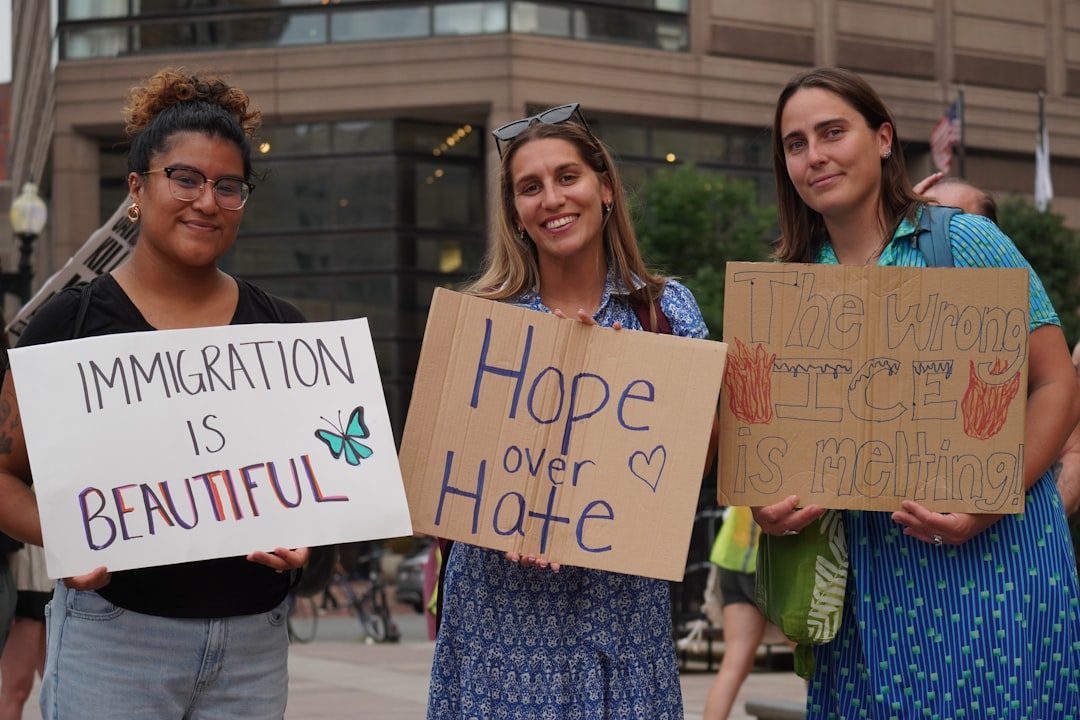
Three protesters hold hand-lettered signs reading "Immigration is beautiful", "Hope over hate" and "The wrong ICE is melting" at an immigration rally in Copley Square, Boston, on July 14, 2026, days after two fatal shootings by ICE officers in Houston and Biddeford, Maine.
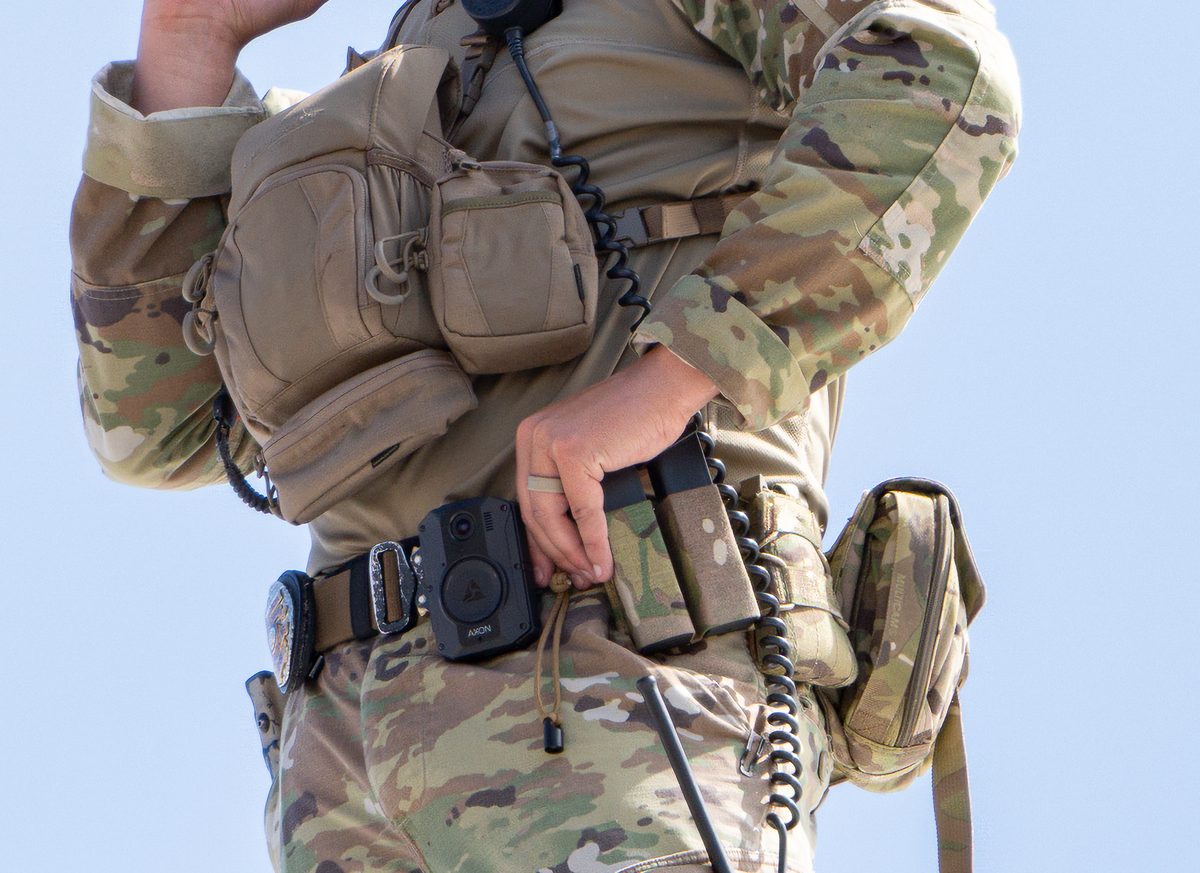
Axon Body Camera on Laramie SRT Police Officer
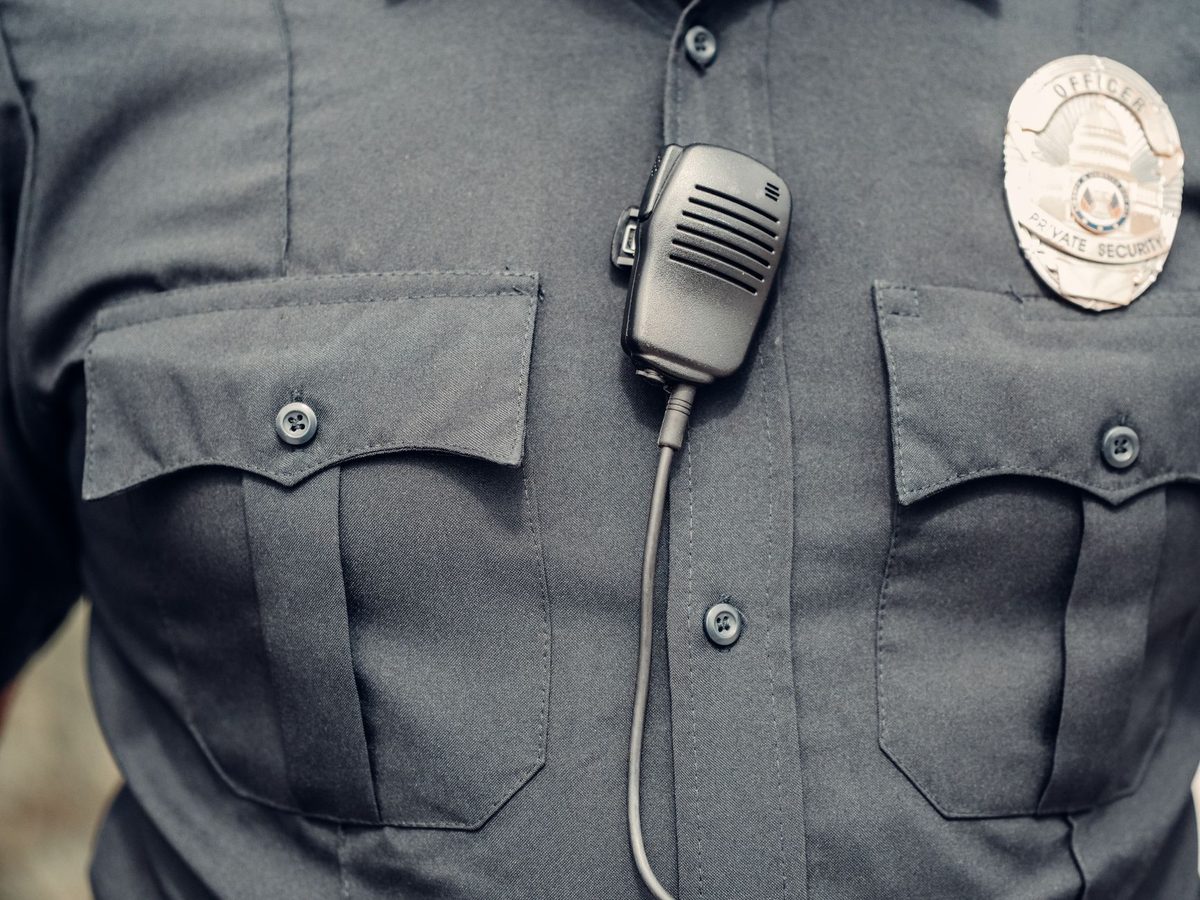
Close-up of a police officer's uniform featuring a body camera and badge.
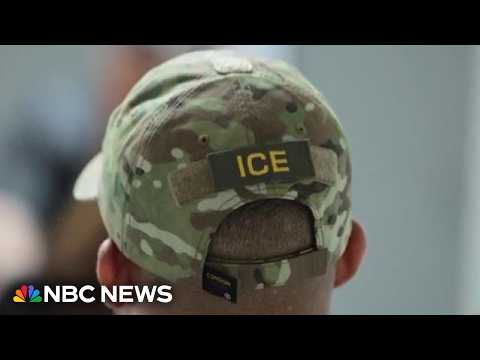
2.6K views
2:53
ICE officers will be getting body cameras this week
NBC News

486 views
2:25
Discussion of ICE agents wearing body cameras resurface after ...
CBS Chicago

5.5K views
6:09
ICE halts most vehicle stops and increases bodycam use after ...
CBS News
Images from Openverse under Creative Commons licenses. Videos from YouTube.
Voices
Curated perspectives — historical figures and your fellow readers.
Play
Exploring all sides of a story is often best achieved with Play.
Most of these play right now — no account needed. Sign up to save scores, keep a streak, and unlock Debate and Predict.
Log in
Sign Up
Higher or Lower
A number from this story, against one from elsewhere in the news — guess which is bigger, then keep the chain going. 5 rounds, 3 strikes; a miss costs a strike and resets your streak.
Example
Anchor
EU tariff revenue
$52B
Big for this kind of number
Mystery
Pentagon AI contract
?
Round 1
Streak: 0
Mystery
?
Keyboard: ↓/L lower · ↑/H higher
0 pts
Best streak: 0 · Rounds: 0
0 points — sign up to put that on the leaderboard.
Now try on this story
Connections
Sixteen names from the news. Find the four hidden groups of four. Four mistakes max.
Loading today's puzzle…
0/4 groups
Mistakes
Sign up to keep a daily streak — a new puzzle lands every day.
Now try on this story
Exit debate?
Your progress in this debate will be lost.
How it works
- 1 Two AI personas square off on this story.
- 2 You predict who'll win each round — correct picks earn XP.
- 3 One crossfire question is yours to fire. Pick it carefully.
Couldn't generate a topic
Select Your Champions
Choose one persona for each side of the debate
DEBATE TOPIC
Choose personas with different perspectives for a more dynamic debate.
SIDE A (PRO)
Select debater for this side:
No debate personas available right now.
SIDE B (CON)
Select debater for this side:
No debate personas available right now.
VS
Get ready to make your prediction...
Round of
Claim
Evidence
Stakes
Crossfire Answer
Closing Statement
Claim
Evidence
Stakes
Crossfire Answer
Closing Statement
Your Crossfire Question
Generating arguments...
Who's Got This Round?
Make your prediction before the referee scores
The referee scores both sides on
Correct predictions earn +20 XP
· Press 1 or 2 to pick
Evidence
40%
Logic
30%
Detail
20%
Style
10%
Round Results
Your Pick
Not this time
(%)
Overall Score
/10
Your Pick
Not this time
(%)
Overall Score
/10
Set the Crossfire
Pick the question both personas must answer in the final round
Crafting crossfire questions...
Choosing a question earns +10 XP crossfire bonus
🏆
Total XP Earned
Cred Change
Predictions
Debate Oracle! You called every round!
Sharp Instincts! You know your debaters!
The Coin Flip Strategist! Perfectly balanced!
The Contrarian! Bold predictions!
Inverse Genius! Try betting the opposite next time!
XP Breakdown
Base completion
+20 XP
Rounds played ( rounds x 5 XP)
+ XP
Correct predictions ( correct x 20 XP)
+ XP
Crossfire bonus
+10 XP
Accuracy
%
Prediction History
Round
You picked:
✓
✗
Now try on this story
Keep debating to level up your credibility and unlock achievements
People Involved
Organizations Involved
U.S. Immigration and Customs Enforcement
Federal Law Enforcement Agency
Implementing agency-wide body camera program
ICE enforces federal immigration law and employs about 13,000 officers and agents.
U.S. Department of Homeland Security (DHS)
Federal Cabinet Department
Oversees ICE; awarded Axon contracts
DHS is ICE's parent agency and runs the camera procurement.
Axon Enterprise, Inc.
Public Company
Awarded two DHS contracts for ICE cameras
Axon is the dominant U.S. supplier of police body cameras and tasers.
U.S. Congress
Legislative Branch
Provided funding but declined to mandate camera use
Congress mandated the camera pilot in 2021 but never required cameras.
Timeline
January 2021 September 2026
12 events
Latest: 2 days ago
Showing 8 of 12
Tap a bar to jump to that date
-
ICE says it has enough cameras for all officers
Latest AnnouncementICE says it has enough cameras for all officers; Mullin predicts deployment by September 30.
-
ICE claims Aug. 31 camera finish line
StatementActing Director David Venturella says every officer will have a camera by Aug. 31.
-
DHS awards $30M in Axon contracts
ProcurementDHS awards two Axon contracts totaling more than $30 million for cameras.
-
ICE arrests hit 50,000 in July
DataICE records its highest monthly arrests of the administration, about 50,000.
-
Bipartisan lawmakers demand cameras
PoliticalSen. Susan Collins and dozens of Democrats demand agency-wide cameras after the shootings.
-
Fatal shootings of Salgado Araujo and Durán Guerrero
IncidentICE agents fatally shoot two immigrants in Texas and Maine; no officers wore cameras.
-
ICE has 3,000 cameras for 13,000 officers
TestimonyOfficials tell lawmakers ICE has 3,000 cameras for 13,000 officers; some field offices have none.
-
Minneapolis killings trigger camera pledge
IncidentICE agents kill two U.S. citizens in Minneapolis; DHS vows to deploy cameras quickly.
-
ICE issues body camera policy
PolicyICE issues body camera policy in February 2025, limiting footage release to the agency's 'best interests.'
-
Trump rescinds Biden policing order
PolicyTrump rescinds a Biden executive order on federal policing, including body camera guidance.
-
DHS report targets September 2025 rollout
ReportA DHS report expects agency-wide body cameras by September 2025; the deadline passes unmet.
-
Congress mandates ICE body camera pilot
LegalCongress mandates an ICE body-worn camera pilot with DHS's civil rights office.
Historical Context
3 moments from history that rhyme with this story — and how they unfolded.
2012
Rialto body camera experiment (2012)
The Rialto, California police department ran the first randomized controlled trial of body cameras. Cambridge researcher Barak Ariel found that officers wearing cameras had significantly fewer use-of-force incidents and complaints than those who did not.
Then
The findings, published in 2015, became the evidence base for camera mandates across the country.
Now
Later studies found smaller effects in some departments, but cameras became standard in most large American police forces.
Why this matters now
The promise that cameras reduce shootings and verify the ones that happen is why lawmakers pressed ICE to deploy them.
August 2014
Ferguson and the body camera push (2014)
On August 9, 2014, a police officer fatally shot 18-year-old Michael Brown in Ferguson, Missouri. The killing and the protests that followed turned body-worn cameras from a niche tool into a national demand within weeks.
Then
The Obama administration created a federal grant program to help police departments buy cameras.
Now
Adoption spread unevenly. By the late 2010s, most large departments had cameras, but footage release policies varied widely.
Why this matters now
The same sequence is playing out at ICE: a killing, public demand, federal money, uneven rollout.
2014-2019
NYPD body camera rollout (2014-2019)
A federal judge ordered the NYPD to pilot body cameras in 2013. After Eric Garner's death in 2014, the program expanded under city pressure. The department did not finish equipping patrol officers until 2019.
Then
The rollout stretched five years, slowed by procurement, union negotiations over recording rules, and disputes over footage access.
Now
NYPD's release policy drew repeated criticism; the department often refused to make footage public.
Why this matters now
ICE is trying to do in months what NYPD did in years, with no union agreement and a release policy that lets the agency's director withhold video.
Sources
(9)Related Stories
Department of Homeland Security shutdown over immigration enforcement
Rule Changes
Updated May 29
DHS expands biometric surveillance infrastructure
New Capabilities
Updated May 27
2026 federal spending showdown
Rule Changes
Updated May 23
ICE blocks congressional oversight after fatal Minneapolis shooting
Force in Play
Updated May 20
Chicago’s ICE crackdown hits a wall of judges
Rule Changes
Updated May 15
ICE shoots American mother, ignites mass uprising
Force in Play
Updated May 20