
Pull to refresh
Logo
Ford starts making lithium iron phosphate cells in Michigan under a CATL license

Ford starts making lithium iron phosphate cells in Michigan under a CATL license

Built World

First cells from the $3 billion Marshall plant head to Louisville for Fathom prototype packs

Overview

Updated 37 minutes ago

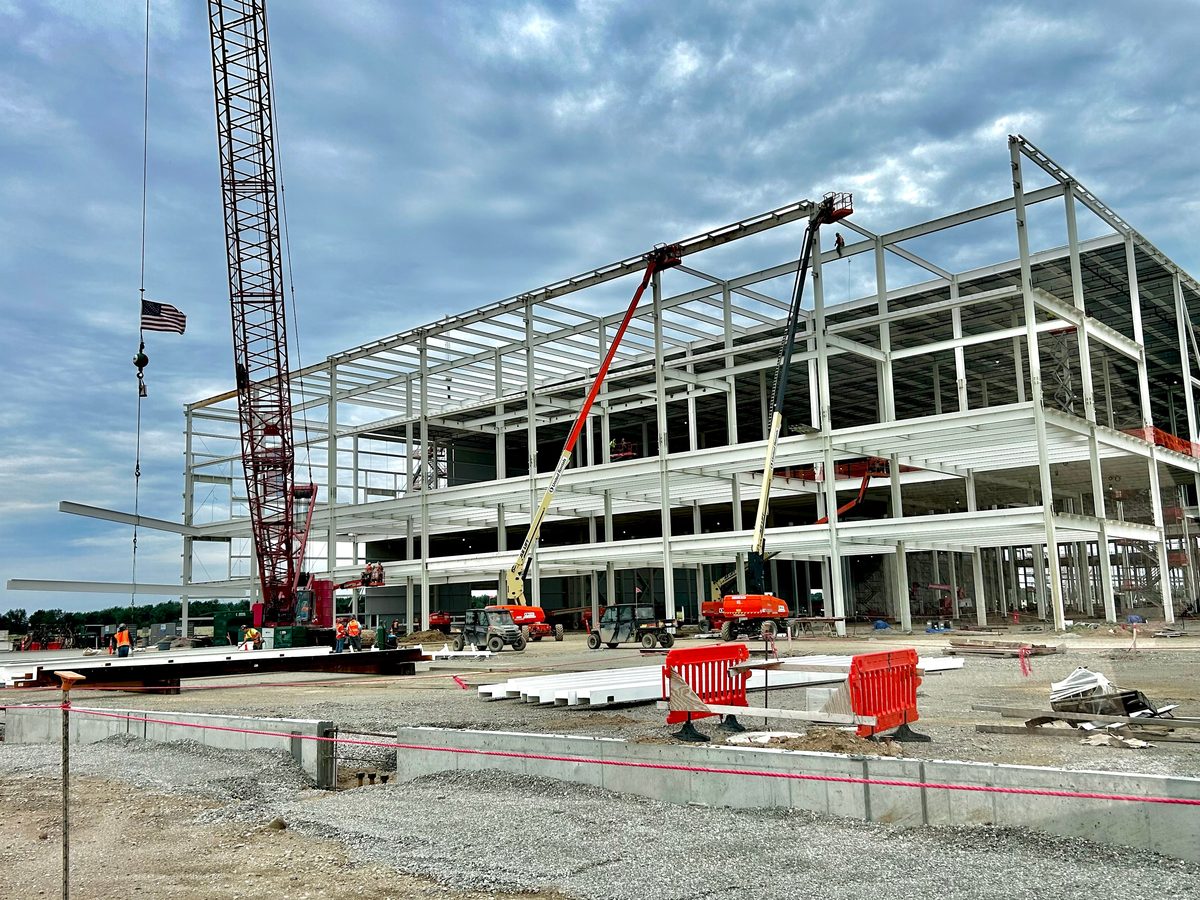
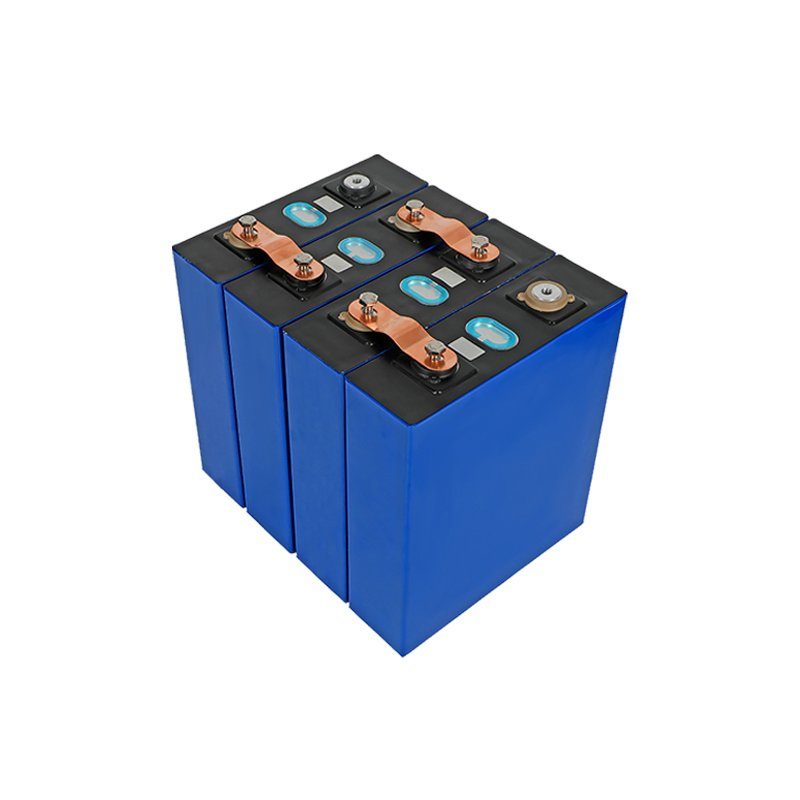
Ford is now producing lithium iron phosphate battery cells at a plant in Marshall, Michigan, and shipping the first of them to Louisville for prototype packs for a small electric pickup called the Fathom. The chemistry costs less than the nickel-cobalt mix in most American electric vehicles and holds up over years of charging. Almost all of it has been made in China.

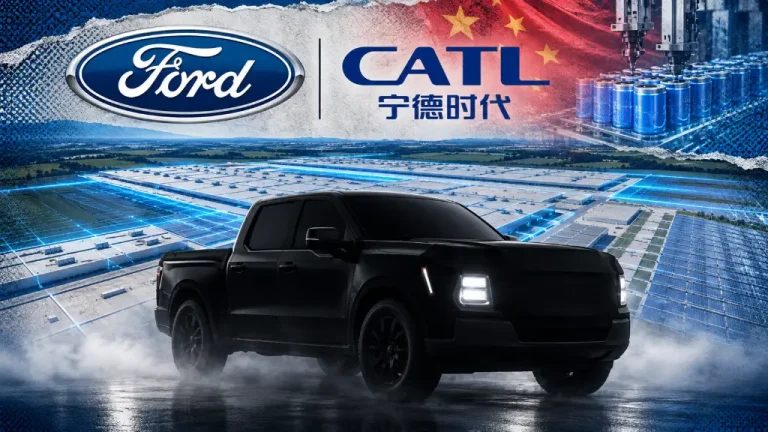
Ford licenses the manufacturing process from CATL, the Chinese company that makes more electric vehicle batteries than any other. That deal is why the plant went from announcement to shipping cells in under four years. It is also why Transportation Secretary Sean Duffy wrote to Ford's chief executive in September expressing 'profound concern.'

Why it matters

LFP chemistry is why cheap electric cars are cheap. Ford just showed the cells can be made in Michigan, not only in China.

Questions about this story

Free account needed to ask — your question is kept and asked for you right after sign-up. Answers are public.

No questions yet — be the first to ask.

Key Indicators

40
Cells produced per minute
Line speed at the Marshall plant, which Ford calls among the fastest LFP prismatic lines outside China.
20 GWh
Annual plant capacity
Down from an original plan of up to 40 gigawatt-hours after Ford cut back its electric vehicle plans.
$3B
Plant investment
Cost of the roughly 2 million-square-foot Marshall facility, which Ford owns and operates.
$19.5B
Ford impairment charges, December 2025
Write-downs tied to Ford's electric vehicle business after federal EV tax credits ended early.
Q4 2027
Fathom launch target
Ford plans to launch the small electric pickup in the fourth quarter of 2027.
30 million
Vehicles running CATL batteries worldwide
Ford's stated reason for licensing the chemistry instead of developing it in-house.

Voices

Curated perspectives — historical figures and your fellow readers.

Sign up to generate historical perspectives on this story.

People Involved

Organizations Involved

Timeline

2023 November 2026

9 events Latest: Today
Tap a bar to jump to that date
  1. First Michigan-made cells ship to Louisville

    Today Production

    Cells leave Marshall for Louisville Assembly Plant, where they will go into Fathom prototype battery packs.

  2. Cell production begins at BlueOval Battery Park Michigan

    Production

    Ford starts making LFP prismatic cells at the roughly 2-million-square-foot Marshall plant.

  3. White House praises Ford's domestic manufacturing

    Statement

    A day after Duffy's letter, the White House commends Ford for American jobs and factories.

  4. Transportation secretary warns Ford over Chinese partners

    Statement

    Sean Duffy's letter to Jim Farley cites 'profound concern' about Ford's CATL, Geely and BYD dealings.

  5. Ford books $19.5 billion in impairment charges

    Financial

    Ford writes down electric vehicle assets but keeps the LFP project and adds an energy storage business.

  6. Federal EV tax credits end early

    Policy

    The early termination of U.S. electric vehicle tax credits forces Ford to rewrite its electric vehicle plans.

  7. Ford restarts plant with capacity cut to 20 gigawatt-hours

    Announcement

    Work resumes on a smaller plant, with Ford keeping full ownership and CATL supplying licensed technology.

  8. Ford announces Michigan plant to build CATL-licensed cells

    Announcement

    Ford unveils a Marshall, Michigan battery plant using technology licensed from CATL, initially planned at 35 gigawatt-hours.

  9. Project paused as lawmakers question CATL subsidies

    Policy

    Republican lawmakers ask whether federal subsidies could indirectly reach CATL; Ford halts work temporarily.

Scenarios

1

Fathom reaches customers in late 2027 on Michigan cells

Likely Resolves by End of 2027

Discussed by: Ford executives and the trade press covering the plant launch

Ford says cell production will ramp through 2027 and that the Marshall pack plant should be running ahead of the Fathom's fourth-quarter 2027 launch. If that holds, Ford will be selling a small electric pickup built on American-made LFP cells, the cost structure it has argued is necessary to compete with Chinese automakers.

2

Ford claims the federal battery manufacturing tax credit

Possible Resolves by End of 2027

Discussed by: Ford spokespeople and automotive trade coverage

A Ford spokesperson said the company still expects to be eligible for a federal battery manufacturing tax credit. Whether that lands depends on how the credit's domestic content and foreign-entity rules apply to cells made under a CATL license. Ford's annual filings would show the claim.

3

Washington restricts CATL-licensed production

Unlikely Resolves by Q2 2027

Discussed by: Transportation Secretary Sean Duffy and Republican lawmakers who questioned the deal

The pressure visible in Duffy's September letter could turn into rules. A restriction on licensing arrangements with Chinese battery firms, or a tightening of subsidy eligibility for plants using foreign-licensed technology, would hit Marshall directly. Ford would have to re-source technology it has already built a factory around.

Historical Context

2 moments from history that rhyme with this story — and how they unfolded.

1982-1984

NUMMI joint venture (1984)

General Motors closed its Fremont, California assembly plant in 1982. Two years later it reopened the site with Toyota as a joint venture called New United Motor Manufacturing, largely so GM engineers could study the Toyota production system at first hand.

Then

The plant rehired many of the same workers and became a benchmark for quality and productivity in American carmaking.

Now

GM adopted parts of the system but never matched Toyota's costs across its network. The plant closed in 2010 and was sold to Tesla.

Why this matters now

Ford is doing with battery chemistry what GM tried with assembly: licensing a foreign leader's process to learn it rather than developing it alone.

1987-1996

SEMATECH consortium (1987)

U.S. chipmakers, worried that Japan had taken the lead in memory manufacturing, formed a consortium with Defense Department funding called SEMATECH. Member companies shared manufacturing research in Austin, Texas, that none could fund alone.

Then

The consortium gave American firms access to shared process research and closer ties to equipment makers.

Now

The U.S. semiconductor industry regained share in the 1990s, and SEMATECH wound down its federal funding in 1996.

Why this matters now

Washington's earlier answer to a manufacturing gap was a domestically funded consortium. Ford's answer is a licensing deal with the Chinese leader, which is why the arrangement draws political scrutiny.

Sources

(9)