

Pull to refresh
Logo
Samsung SDI begins LFP battery production at Indiana grid-storage hub

Samsung SDI begins LFP battery production at Indiana grid-storage hub

Built World

Korean battery makers are converting EV lines to storage cells as US rules push Chinese suppliers out

Overview

Updated Yesterday

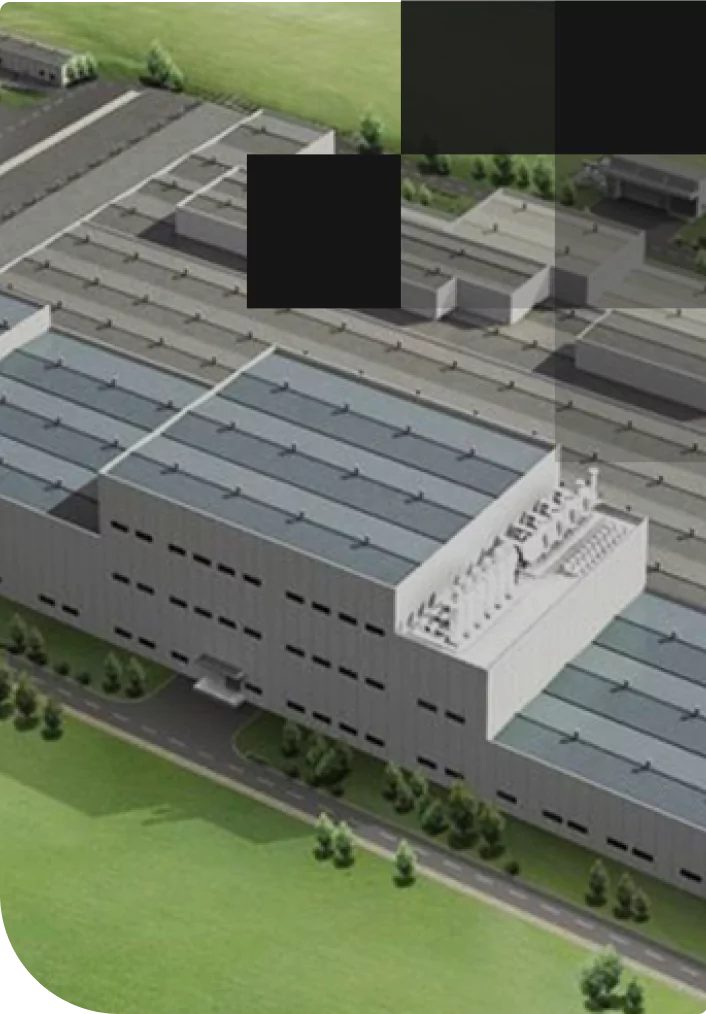
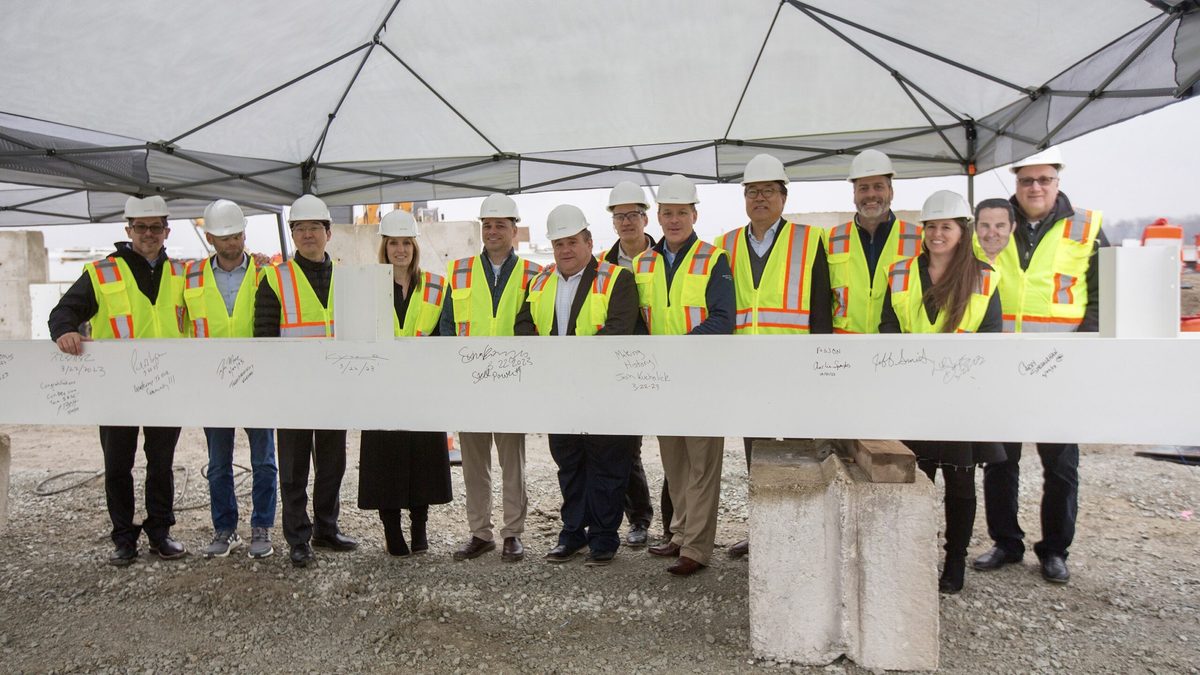
In October, Samsung SDI's StarPlus Energy plant in Kokomo, Indiana, began mass-producing lithium iron phosphate (LFP) battery cells for grid storage. The first finished battery boxes are due to customers in December, and the company has booked more than 60 gigawatt-hours of US storage orders this year.

The plant was built to make electric-vehicle batteries. Samsung SDI is converting it because US electric-vehicle demand is weak and federal tax rules now steer storage buyers away from Chinese cells. That gives Korean manufacturers a protected market, though Chinese firms still dominate global storage sales.

Why it matters

Federal tax credits now decide whether Korean or Chinese batteries fill America's fast-growing grid storage market.

Questions about this story

Free account needed to ask — your question is kept and asked for you right after sign-up. Answers are public.

No questions yet — be the first to ask.

Key Indicators

$6.3B
StarPlus Energy investment
Combined investment in the two Indiana plants.
67 GWh
Combined plant capacity
Total capacity of the two StarPlus Energy gigafactories.
60 GWh
US storage orders in 2026
Energy-storage orders Samsung SDI booked in the United States this year.
19.7%
Korean share of North American storage
Combined first-half 2026 share of LG Energy Solution and Samsung SDI, up from 13.9% a year earlier.
27.1%
CATL global storage share
CATL's share of worldwide storage shipments in the first half of 2026.
461 GWh
Global storage shipments
Worldwide first-half 2026 shipments, up 71% from a year earlier.

Voices

Curated perspectives — historical figures and your fellow readers.

Sign up to generate historical perspectives on this story.

People Involved

Organizations Involved

Timeline

2025 2027

9 events Latest: Yesterday
Tap a bar to jump to that date
  1. Two more LFP lines start up

    Upcoming Manufacturing

    Additional converted lines begin phased operation in the first half.

  2. Second Indiana plant scheduled to open

    Upcoming Infrastructure

    The 34 gigawatt-hour plant is set to begin production in early 2027.

  3. Finished battery-box deliveries due

    Upcoming Manufacturing

    Samsung Battery Box products reach customers after module and enclosure assembly.

  4. Indiana plant reaches LFP mass production

    Latest Manufacturing

    Prismatic cells began rolling in October; finished battery boxes ship in December.

  5. Samsung SDI reports 60 GWh of US orders

    Earnings

    Third-quarter results name the Indiana plant as an ESS production hub.

  6. Second US storage contract signed

    Business

    A ₩1.5 trillion deal covers NCA and LFP cells from 2026 through 2029.

  7. Samsung SDI signs ₩2 trillion storage deal

    Business

    LFP battery supply agreement with a US energy infrastructure company runs from 2027.

  8. First StarPlus Energy plant opens

    Infrastructure

    The 33 gigawatt-hour Kokomo plant begins operations.

  9. US tightens battery tax-credit rules

    Policy

    The One Big Beautiful Bill Act restricts credits for projects using Chinese-linked cells.

Scenarios

1

Samsung SDI tops 100 GWh in US storage orders by end of 2027

Likely Resolves by End of 2027

Discussed by: Samsung SDI earnings calls and Energy-Storage.News

The company booked 60 gigawatt-hours in 2026 and says demand will exceed production from 2028. Two converted lines and the second Indiana plant add capacity. If orders keep pace, cumulative US storage bookings pass 100 gigawatt-hours.

2

Korean battery makers' North American storage share passes 25% in 2027

Possible Resolves by Q1 2028

Discussed by: SNE Research

LG Energy Solution and Samsung SDI held a combined 19.7% of North American storage shipments in the first half of 2026. Their share rose as US rules excluded Chinese cells. Continued conversion of EV lines could push the combined figure past a quarter.

3

CATL keeps global storage lead with share above 25% through 2027

Likely Resolves by Q1 2028

Discussed by: SNE Research

CATL shipped 125 gigawatt-hours in the first half of 2026 and held 27.1% of the global market. Chinese firms occupied the top five spots. US restrictions limit CATL's access to North America but not to projects in China, Europe and elsewhere.

4

Samsung SDI delivers first finished battery boxes in December 2026

Likely Resolves by End of 2026

Discussed by: Samsung SDI conference call

Cells have shipped since mid-October. The company says module and enclosure work will finish in time for customer delivery of Samsung Battery Box products in December. A slip would push the first revenue from the LFP line into 2027.

Historical Context

3 moments from history that rhyme with this story — and how they unfolded.

1981–1984

Japanese auto transplants in the US (1981–1984)

Facing voluntary export limits and US import pressure, Honda opened its Marysville, Ohio, plant in 1982. Nissan followed in Smyrna, Tennessee, in 1983, and Toyota began building cars with General Motors at a California plant in 1984.

Then

Japanese firms hired American workers and eased some trade tension.

Now

Transplants became the template for foreign manufacturers entering the US market through local production rather than imports.

Why this matters now

US content and sourcing rules are pushing battery makers toward the same choice: build inside the market or lose access to its tax incentives.

August 2022

CHIPS and Science Act (2022)

Signed in August 2022, the law set aside $52.7 billion for US semiconductor manufacturing and research. It also barred recipients from expanding advanced chip output in China for a decade.

Then

TSMC, Samsung and Intel announced US fabrication projects.

Now

The buildout is years from completion, but the law made national-security sourcing a condition of federal support.

Why this matters now

Battery tax credits use the same approach: public money tied to supply chains that exclude designated foreign entities.

July 2020

USMCA automotive rules of origin (2020)

The United States-Mexico-Canada Agreement took effect in July 2020. It raised the regional value content required for tariff-free cars from 62.5% to 75%, with phased deadlines.

Then

Automakers reworked supply chains and shifted some production.

Now

Content thresholds became a standard tool for steering manufacturing into a trade bloc.

Why this matters now

The battery rules use a similar lever: a rising share of materials must come from outside prohibited countries to qualify for credits.

Sources

(10)