
Pull to refresh
Logo
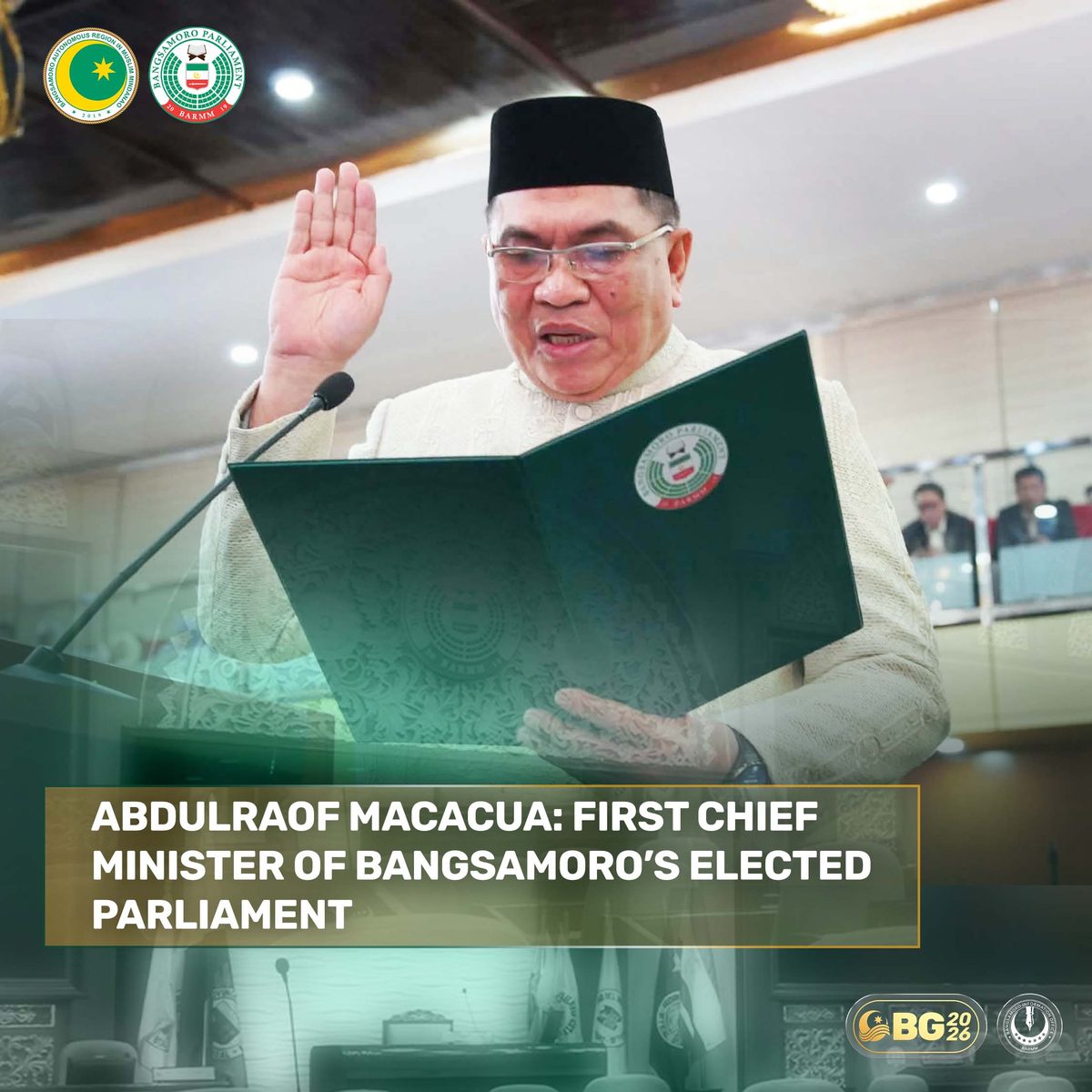
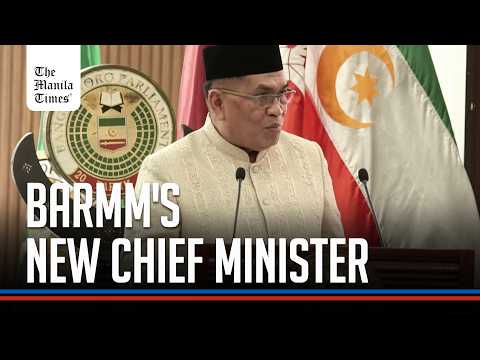
Former MILF commander elected chief minister of Bangsamoro

Former MILF commander elected chief minister of Bangsamoro

Rule Changes

Abdulraof Macacua wins 51 of 80 parliamentary votes, moving the region from interim rule to its first elected government.

Overview

Updated 50 minutes ago

For seven years, the Bangsamoro region of the southern Philippines was governed by an interim authority appointed under a 2014 peace deal. Its new 80-seat parliament has now chosen Abdulraof Macacua, a former Moro Islamic Liberation Front military chief, as chief minister.

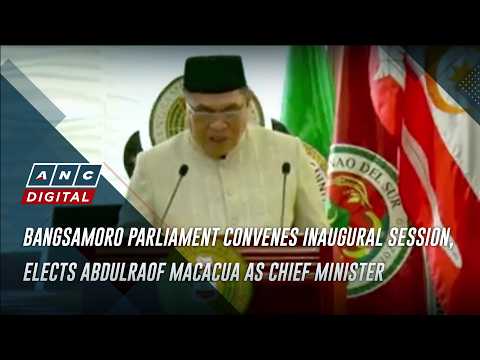
Macacua won 51 votes against 27 for MILF chairman Ahod Ebrahim. The vote moves BARMM from a transition government to a regular parliamentary one, but the region remains the country's poorest and depends heavily on national cash transfers.

Why it matters

If the first elected Bangsamoro government can deliver services and hold its coalition, it could turn a 2014 ceasefire into a durable autonomy model for Mindanao.

Questions about this story

Free account needed to ask — your question is kept and asked for you right after sign-up. Answers are public.

No questions yet — be the first to ask.

Key Indicators

51
Votes for Macacua
Of 80 parliament members; 41 votes were needed to win.
41
Majority threshold
Minimum votes needed under the Bangsamoro Organic Law.
27
Votes for Ebrahim
The MILF chairman and former chief minister.
80
Parliament seats
40 party, 32 district and 8 sectoral representatives.
16
Bangsamoro Federalist Party seats
Macacua's party won the largest bloc, but not a majority.
7
Years of interim rule
BARMM was governed by an appointed transition authority from 2019 to 2026.
PHP 115B
Proposed 2027 block grant
National cash transfer tentatively set in the proposed 2027 budget.

Voices

Curated perspectives — historical figures and your fellow readers.

Sign up to generate historical perspectives on this story.

People Involved

Organizations Involved

Timeline

March 2014 October 2026

6 events Latest: Today
Tap a bar to jump to that date
  1. Parliament elects Macacua chief minister

    Today Parliamentary vote

    Macacua wins 51 votes to Ebrahim's 27, with one abstention and one absence.

  2. Bangsamoro holds first parliamentary elections

    Election

    Voters choose 80 MPs. Macacua's BFP wins 16 seats and Ebrahim's UBJP wins 15.

  3. Marcos appoints Macacua interim chief minister

    Appointment

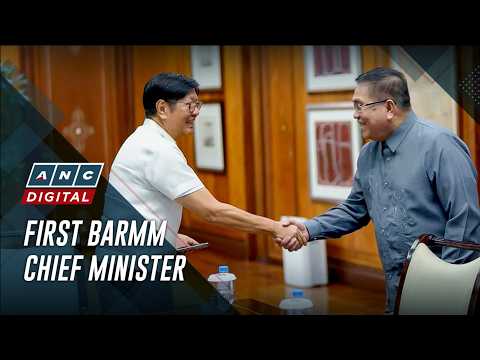
    Macacua succeeds MILF chairman Ahod Ebrahim ahead of the first parliamentary elections.

  4. Bangsamoro Organic Law ratified

    Plebiscite

    Voters approve the new autonomous region, paving the way for interim rule.

  5. Bangsamoro Organic Law signed

    Legislation

    Creates BARMM and its parliamentary structure, including the chief minister post.

  6. Government and MILF sign peace deal

    Peace agreement

    The Comprehensive Agreement on the Bangsamoro sets terms for replacing the old autonomous region.

Scenarios

1

Macacua forms an inclusive cabinet and wins parliament's approval for his government platform

Likely Resolves by Jan 31, 2027

Discussed by: Bangsamoro government statements and Philippine political analysts

Macacua has promised an inclusive administration that includes Muslim, Christian and non-Moro indigenous communities. The test is whether his cabinet and platform can win majority support in a parliament where his party holds only 16 of 80 seats.

2

National government cuts or delays BARMM's proposed block grant

Possible Resolves by Jan 1, 2027

Discussed by: Philippine budget analysts and regional officials

BARMM depends on a large annual transfer from the national budget. The proposed 2027 budget tentatively sets more than 115 billion pesos for the region. A cut or delay would immediately constrain Macacua's new government.

3

BFP and UBJP split over cabinet posts and parliamentary committees

Possible Resolves by Q2 2027

Discussed by: Philippine political reporters and regional party officials

Macacua and Ebrahim were once allied in the MILF but competed in 2026. Their parties must now share a parliament. A public split could slow legislation and weaken the new government's authority.

Historical Context

3 moments from history that rhyme with this story — and how they unfolded.

August 2005

Aceh peace agreement (2005)

Indonesia and the Free Aceh Movement signed a peace deal ending a 29-year conflict. Former rebels agreed to disarm and enter local politics under a new autonomy framework.

Then

A former rebel, Irwandi Yusuf, won Aceh's first direct gubernatorial election in 2006.

Now

Aceh gained greater autonomy and a larger share of energy revenue, though corruption and political tests followed.

Why this matters now

Like BARMM, Aceh turned a rebel group into a governing party under a peace deal and a new autonomy framework.

April 1998

Northern Ireland Good Friday Agreement (1998)

The agreement created a power-sharing assembly and brought former IRA-linked Sinn Fein into governing arrangements. Rival parties had to share executive power.

Then

Power-sharing broke down repeatedly over disarmament and policing.

Now

The agreement ended large-scale violence but did not end political crises.

Why this matters now

It shows that parliamentary power-sharing can stabilize a former insurgency, but only if rival parties keep governing together.

November 2016

Colombia FARC peace deal (2016)

Colombia's government and the FARC signed a peace deal after a 52-year conflict. The rebel group disarmed and formed a political party.

Then

FARC's party won a small vote in 2018, while former commanders entered Congress under guaranteed seats.

Now

The rebel-to-party transition continued amid killings of ex-combatants and disputes over implementation.

Why this matters now

It is a direct comparison for a rebel group converting military command into electoral politics.

Sources

(9)