
Pull to refresh
Logo
Iraq parliament completes al-Zaidi's cabinet, adding US-sanctioned deputy PM

Iraq parliament completes al-Zaidi's cabinet, adding US-sanctioned deputy PM

Rule Changes

Eleven ministers and three deputies approved as oil-war revenues shrink

Yesterday: Parliament completes al-Zaidi's cabinet

Overview

Updated 1 hour ago

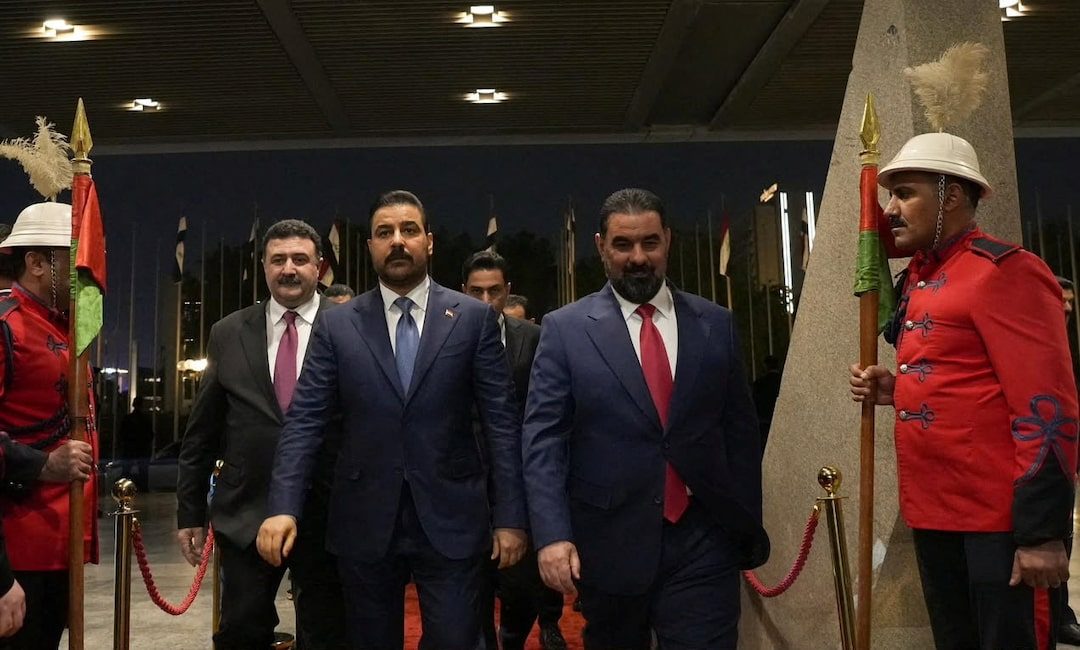
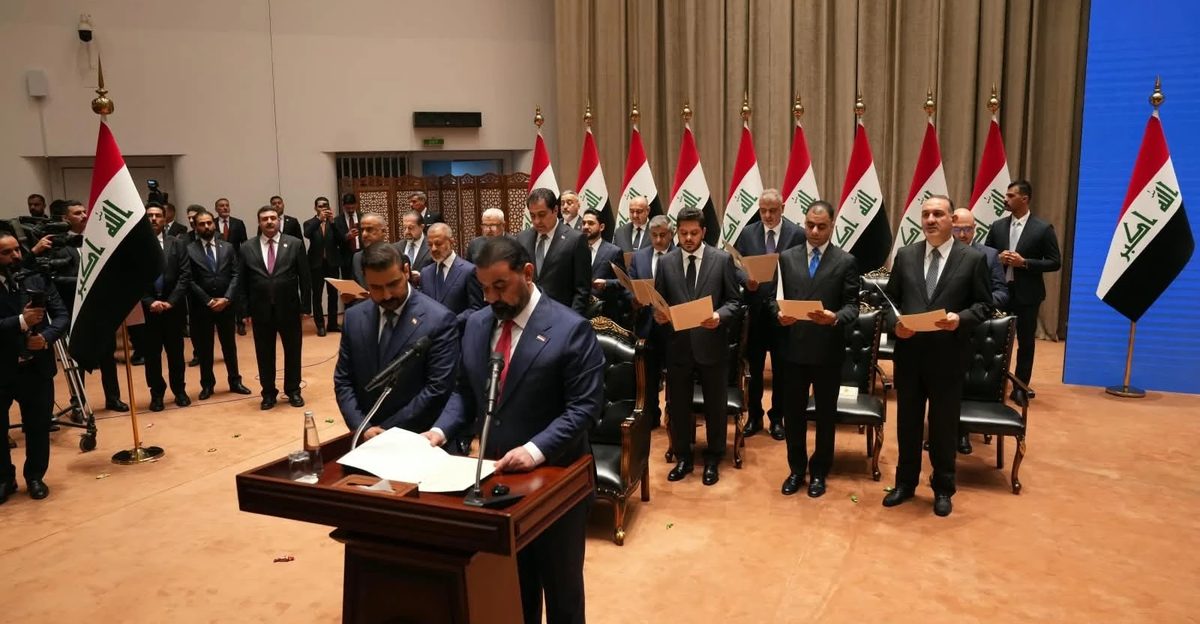
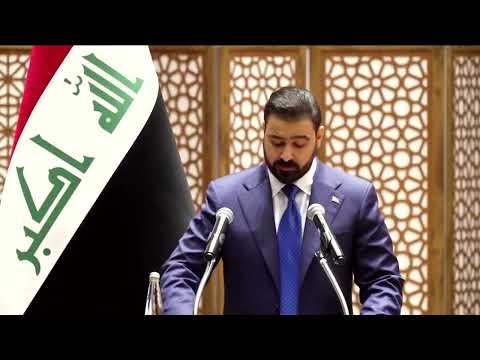
Five months after Ali al-Zaidi took office, Iraq's parliament voted on Thursday to complete his cabinet, adding eleven ministers and three deputy prime ministers. One of the deputies, Laith al-Khazali, is under US sanctions and is the brother of the leader of an Iran-backed militia.

The vote came as the country's finances buckle. On October 7, al-Zaidi devalued the dinar by nearly 15% to cover state salaries after the US-Israel war on Iran cut off the Strait of Hormuz oil exports that fund 90% of government revenue. The state needs about 10 trillion dinars ($6.7 billion) monthly for salaries and inherited public debt exceeding 208 trillion dinars ($139 billion).

Why it matters

Oil revenue cut off by the Hormuz war leaves Iraq's devalued dinar and US-sanctioned deputy PM straining its finances and Washington ties.

Questions about this story

Free account needed to ask — your question is kept and asked for you right after sign-up. Answers are public.

No questions yet — be the first to ask.

Key Indicators

15%
Dinar devaluation against USD
Official rate moved from 1,320 to 1,520 dinars per dollar on October 7, 2026.
$139B
Inherited public debt
Al-Zaidi said his government inherited over 208 trillion dinars, about $139 billion at the new rate.
$6.7B
Monthly salary needs
The state needs about 10 trillion dinars monthly to cover salaries and essential spending.
261
Lawmakers present for vote
Of 329 seats, 261 members attended the session that approved the cabinet.

Voices

Curated perspectives — historical figures and your fellow readers.

Ever wondered what historical figures would say about today's headlines?

Sign up to generate historical perspectives on this story.

People Involved

Organizations Involved

Timeline

February 2026 October 2026

4 events Latest: Yesterday
Tap a bar to jump to that date
  1. Parliament completes al-Zaidi's cabinet

    Latest Government formation

    Lawmakers approve eleven ministers and three deputy prime ministers, including US-sanctioned Laith al-Khazali. A cross-party bloc boycotts, calling the posts party patronage. A vote on the migration minister nominee is postponed.

  2. Iraq devalues dinar by nearly 15%

    Economic policy

    Central Bank sets official rate at 1,520 dinars per dollar, down from 1,320, to ease a cash crunch.

  3. Al-Zaidi cabinet wins confidence vote

    Government formation

    Nine portfolios and three deputy prime minister posts left vacant as the government takes office.

  4. US-Israel war on Iran begins

    Conflict

    The war disrupts oil exports through the Strait of Hormuz, cutting Iraq's principal revenue source.

Scenarios

1

Washington moves against Khazali appointment

Possible Resolves by Q2 2027

Discussed by: AP News flagged the appointment raises questions about implications for US-Iraq relations, noting al-Zaidi had Trump's backing.

The US could respond to a US-sanctioned figure entering Iraq's leadership by imposing new sanctions on Baghdad officials, summoning the Iraqi ambassador, or conditioning aid and security cooperation on Khazali's removal. Trigger would be a formal State Department or Treasury action.

2

Currency crisis forces new measures

Likely Resolves by Q1 2027

Discussed by: Al-Zaidi said he chose devaluation over cutting salaries 35% or delaying payments to every 45 days. Traders reported sudden losses on their dinar holdings.

If oil exports through Hormuz stay cut off, the devaluation may not generate enough dinars to cover monthly salaries. Iraq could announce a second devaluation, delay public wages, or seek foreign loans from the IMF or Gulf states.

3

Government consolidates; parliament passes budget

Uncertain Resolves by Apr 30, 2027

Discussed by: Shafaq News reported al-Zaidi said the completed cabinet strengthens the government's ability to deliver on commitments. The speaker's office commended the cabinet's finalization.

With a full cabinet, al-Zaidi pushes reform and a 2027 budget through parliament despite the boycott bloc. A passed budget would signal the government can operate despite the muhasasa criticism and economic strain.

Historical Context

2 moments from history that rhyme with this story — and how they unfolded.

2003-2005

Iraq's post-2003 sectarian quota system

After the 2003 invasion, Iraq's governing parties divided state ministries along sectarian and ethnic lines under muhasasa, the informal system of sharing state posts among parties. Ministries became patronage tools for party blocs rather than public services.

Then

Government formation became a bargaining process over who controls which ministry, not over policy.

Now

The system entrenched corruption and gridlock; every new post created invites accusations of party clientelism.

Why this matters now

Thursday's boycotters invoked muhasasa directly, arguing new ministries and deputy prime minister posts expand party patronage while the state should be cutting spending.

1984-1988

The Tanker War and the Strait of Hormuz

During the Iran-Iraq War, both sides attacked oil tankers in the Persian Gulf, threatening shipping through the Strait of Hormuz. The US reflagged Kuwaiti tankers in 1987 and provided naval escorts to keep oil flowing.

Then

Oil markets spiked and the US Navy entered the conflict directly.

Now

The war ended in 1988; the episode became the benchmark for how a Hormuz disruption plays out.

Why this matters now

Iraq again faces cut-off oil exports through the same choke point, this time because of the US-Israel war on Iran that began February 28, 2026.

Sources

(9)