
Pull to refresh
Logo
Fort Worth Housing Solutions board advances 353-unit Bonnie project

Fort Worth Housing Solutions board advances 353-unit Bonnie project

Built World Fort Worth, TX local

The four-story building would replace Siddons Place in the medical district, with 51% of units held below market rate and the rest financed by bonds

Overview

Updated 1 hour ago

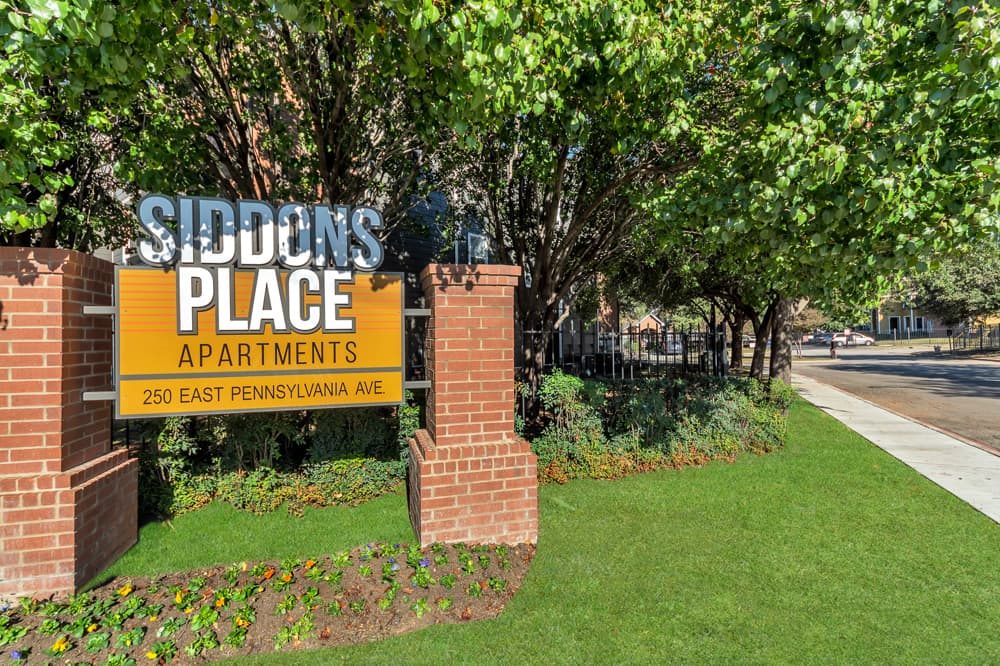
Fort Worth Housing Solutions' board voted on Oct. 29 to move forward with Bonnie Phase I, a 353-unit apartment building on the site of Siddons Place at 250 Pennsylvania Ave. The property sits in the city's medical district, and the land, once adjacent parcels are acquired, will total closer to 9 acres.

The financing model is the one the agency now uses for most new construction: issue bonds through a nonprofit conduit, bring in a private developer as partner, and mix market-rate rents with income-restricted ones. Ojala Holdings is the development partner and KeyBank is the bond underwriter. Phase I is 51% affordable at or below 80% of area median income, and the rents on the other 49% have to cover the debt.

Why it matters

If the bonds sell, 180 of 353 units near Fort Worth's medical district rent below market, and the agency carries the debt to build them.

Last Monday's email for Fort Worth, TX

Sent Nov 16. It carried:

Get next Monday's: one short email a week. Free. Unsubscribe in one click.

Questions about this story

Free account needed to ask — your question is kept and asked for you right after sign-up. Answers are public.

No questions yet — be the first to ask.

Key Indicators

353
Units in Bonnie Phase I
268 one-bedroom, 81 two-bedroom and four three-bedroom apartments in a four-story building.
51%
Share of units affordable at or below 80% AMI
The remaining 49% rent at market rates to help service the bond debt.
180
Income-restricted units
Includes 12 rental assistance demonstration units, six at 50% of area median income and 54 at 60%.
$1.5M
Tax district funding for adjacent land
Used to buy neighboring parcels, bringing the assembled site closer to 9 acres.
600
Planned units at the site after a second phase
A future Bonnie Phase II would raise the total from 353, per the agency's development chief.

Voices

Curated perspectives — historical figures and your fellow readers.

Sign up to generate historical perspectives on this story.

People Involved

Organizations Involved

Timeline

2026 October 2026

2 events Latest: October 29th, 2026 · 3 weeks ago
  1. Board clears Bonnie Phase I to proceed

    Latest Decision

    Commissioners pass a series of actions covering the bond structure, developer and land assembly.

  2. Hughes House II approved on the same financing model

    Decision

    The board signed off on an earlier bond-funded mixed-income project, the template for Bonnie Phase I.

Scenarios

1

Bonnie Phase I breaks ground at Siddons Place

Likely Resolves by End of 2027

Discussed by: Fort Worth Report's account of the Oct. 29 board actions; the agency's prior bond deals such as Hughes House II

The board has already approved the financing framework and named the bond team: KeyBank as underwriter, BOK Financial as trustee, Standard & Poor's as rating agency, CSG Advisors as financial adviser and Coats Rose as counsel. The remaining steps are a bond sale and a construction start. Because 49% of the units rent at market rate, the project depends on those rents holding up well enough to cover debt service, which is the question commissioners raised at the meeting.

2

Bond sale slips and the project stalls

Possible Resolves by Q2 2028

Discussed by: No named forecaster; this reflects the debt-service questions commissioners raised at the Oct. 29 meeting

The project's viability rests on rents from 173 market-rate units covering debt on the whole building. If construction costs rise or market rents soften, the agency would have to add subsidy, shrink the building, or delay the sale. The board approved the framework, not a completed financing, so nothing is locked yet.

3

Second phase filed, pushing the site toward 600 units

Uncertain Resolves by Q2 2029

Discussed by: Thaddeus Green, who described the long-term vision at the Oct. 29 meeting

Green said the agency's long-term plan is a second phase at the Bonnie site that would raise the total to 600 units. Siddons Place's remaining rental assistance demonstration units stay in operation for now, so a Phase II would likely follow rather than accompany the first building. No filing or timeline for it has been made public.

Historical Context

2 moments from history that rhyme with this story — and how they unfolded.

1992–2000s

HOPE VI and the turn to mixed-income public housing (1992)

The federal HOPE VI program gave housing authorities money to demolish severely distressed public housing and replace it with lower-density, mixed-income developments, usually built with private partners rather than by the authority alone. Cities across the country tore down mid-century barracks-style projects and rebuilt at a fraction of the original unit count, with market-rate housing included to pay for the rest.

Then

Thousands of public housing units came down faster than replacements opened, and many former residents received vouchers instead of new apartments on site.

Now

Mixed-income development with a private partner became the default model for large housing authority rebuilds, which is the structure Fort Worth Housing Solutions is using here.

Why this matters now

Bonnie Phase I follows the HOPE VI shape: demolish an aging subsidized property, rebuild larger and denser, and use market-rate rents to carry the financing.

2012–present

Rental Assistance Demonstration (2012)

The Department of Housing and Urban Development launched a pilot letting housing authorities convert public housing and older subsidized units into project-based Section 8 contracts. The conversion let owners borrow against the property for repairs and redevelopment, which traditional public housing financing did not allow.

Then

Participating agencies gained access to debt and equity they had been shut out of for decades.

Now

RAD became the main route for recapitalizing aging public housing, and converted units now carry long-term affordability contracts tied to the property.

Why this matters now

Siddons Place includes rental assistance demonstration units, which remain in operation for now; twelve units in Bonnie Phase I are designated as RAD, tying the new building to the same federal contract structure.

Sources

(2)