
Pull to refresh
Logo
Fragment of world's oldest peace treaty unearthed in Turkey

Fragment of world's oldest peace treaty unearthed in Turkey

New Capabilities

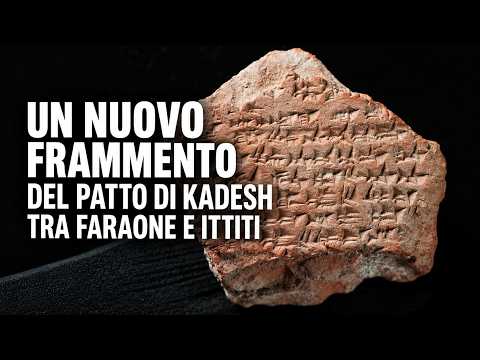
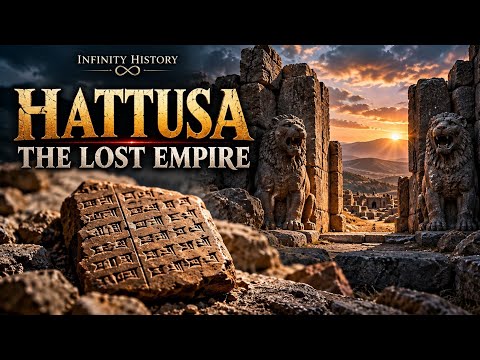
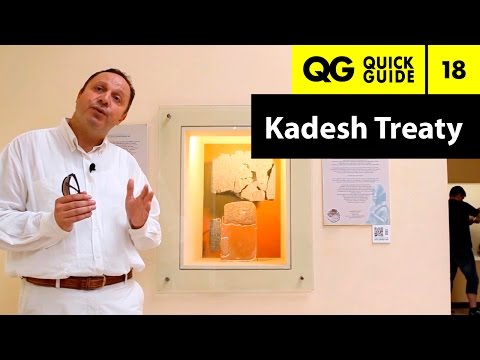
Cuneiform piece from the 1269 BC Treaty of Kadesh found at the Hittite capital Hattusha

6 days ago: Ministry confirms fragment is from Kadesh Treaty

Overview

Updated 3 hours ago

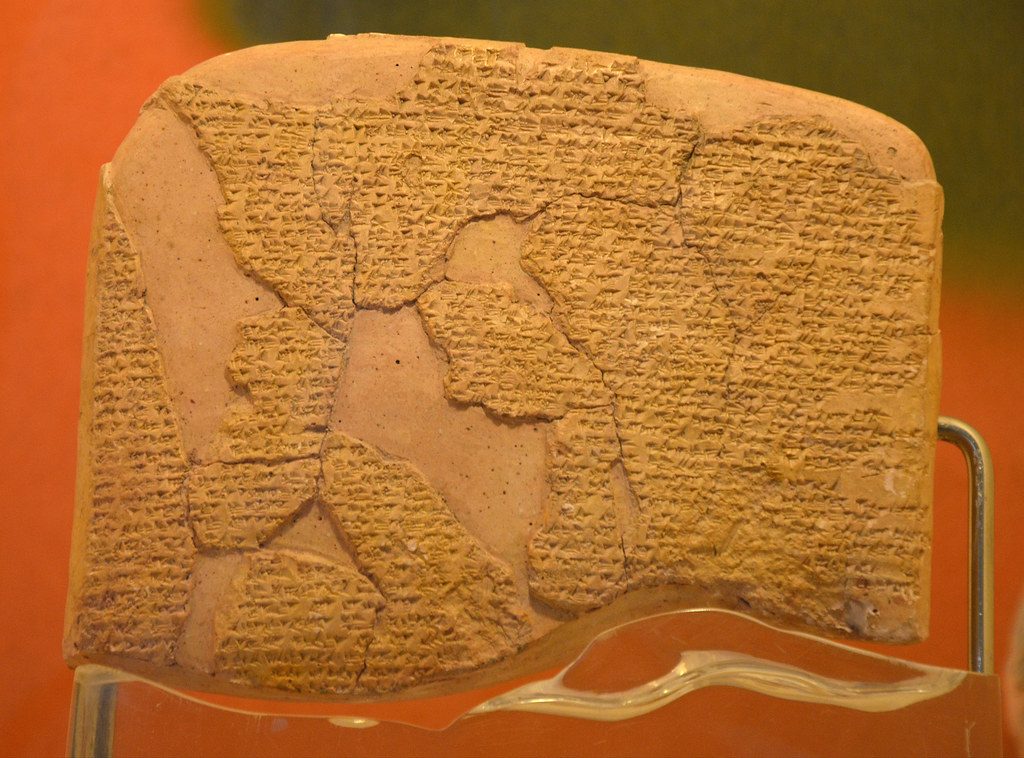
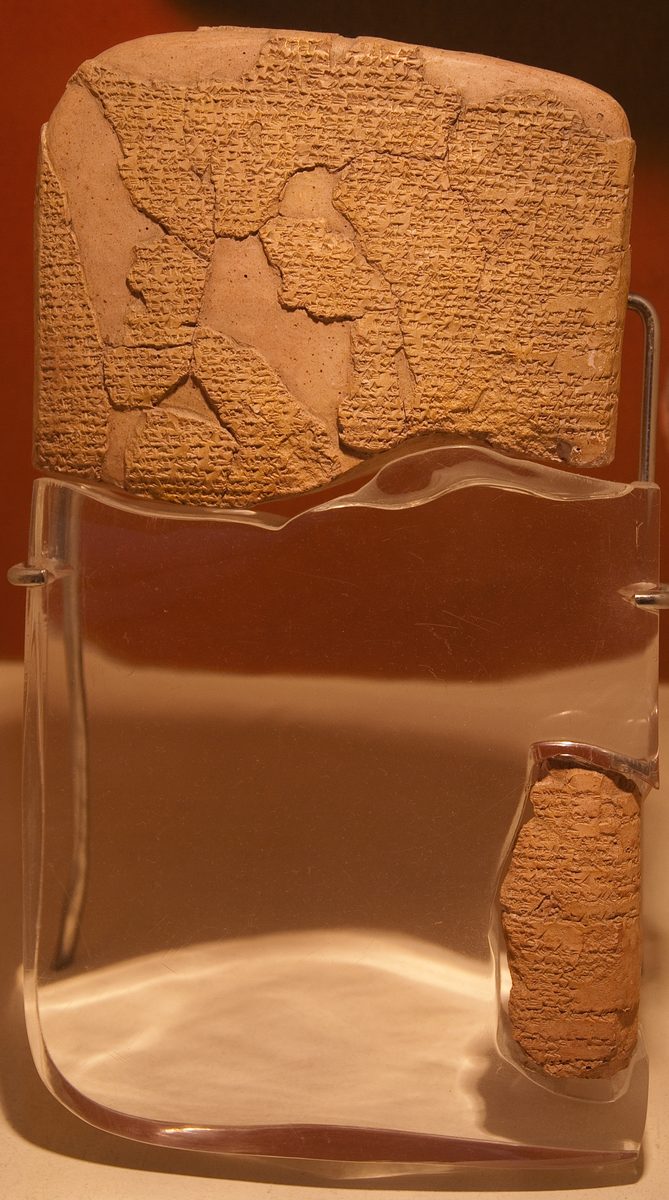
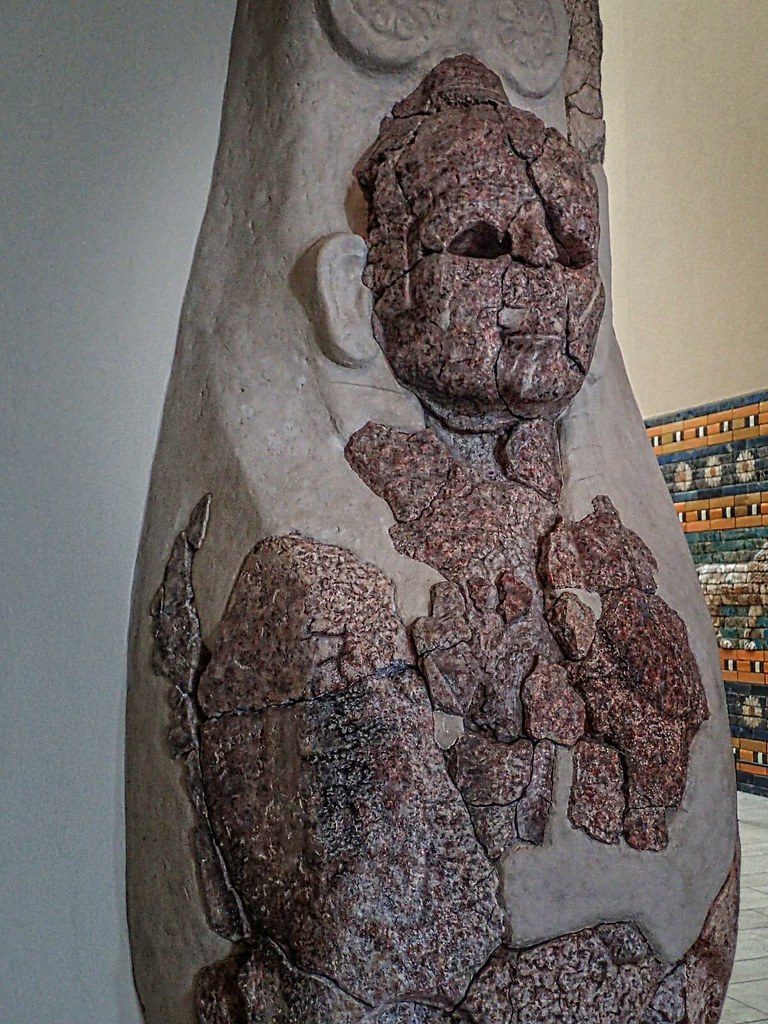
Archaeologists in central Turkey have found a cuneiform fragment belonging to a copy of the Treaty of Kadesh, the oldest known peace treaty, signed around 1269 BC by Egyptian pharaoh Ramesses II and Hittite king Hattusili III. The tablet piece, unearthed at the ancient Hittite capital of Hattusha, preserves part of the agreement's rules on how refugees were to be returned and treated.

The treaty ended decades of war between Egypt and the Hittite Empire, and its principles echo in modern diplomacy: a copper replica hangs in the United Nations Conference Building in New York. The fragment fills a gap in the agreement's wording and adds to copies of the treaty recovered from the same site over the past century.

Why it matters

The find fills gaps in the oldest known peace treaty, revealing how two Bronze Age empires wrote rules to shield refugees.

Questions about this story

Free account needed to ask — your question is kept and asked for you right after sign-up. Answers are public.

No questions yet — be the first to ask.

Key Indicators

~3,300 years
Age of the treaty
Signed around 1269 BC, the Treaty of Kadesh is the oldest known written peace agreement.
9
Treaty provisions referenced
The fragment covers articles 12 to 20, which regulate treatment of people who fled one country for the other.
1906
First treaty copies found at Hattusha
About 120 years of excavation at the site has yielded Akkadian clay copies of the treaty.

Voices

Curated perspectives — historical figures and your fellow readers.

Ever wondered what historical figures would say about today's headlines?

Sign up to generate historical perspectives on this story.

People Involved

Organizations Involved

Timeline

1269 BC September 2026

5 events Latest: 6 days ago
Tap a bar to jump to that date
  1. Ministry confirms fragment is from Kadesh Treaty

    Latest Announcement

    Turkey's Ministry of Culture and Tourism announces the fragment belongs to one of the copies of the Treaty of Kadesh, covering articles 12 to 20 on refugee treatment.

  2. Cuneiform fragment found at Büyükkale

    Discovery

    Excavators at Hattusha's royal citadel unearth a clay tablet fragment near Building E; it undergoes about a year of examination.

  3. Winckler uncovers Hittite archives

    Discovery

    German archaeologist Hugo Winckler begins excavating at Hattusha, finding thousands of cuneiform tablets including copies of the Kadesh Treaty.

  4. Battle of Kadesh fought

    Conflict

    Egyptian pharaoh Ramesses II clashes with Hittite forces; both sides claim victory in one of antiquity's largest chariot battles.

  5. Treaty of Kadesh signed

    Treaty

    Ramesses II and Hittite king Hattusili III sign the peace treaty ending their long war; it becomes the oldest known written peace agreement.

Scenarios

1

Excavators find more Kadesh Treaty fragments at Hattusha

Possible Resolves by End of 2027

Discussed by: Turkish Ministry of Culture and Tourism (excavations continue at Büyükkale)

The site has produced treaty copies since 1906, and the ministry says ongoing excavations may uncover remaining parts of the treaty. New fragments could complete missing lines in articles 12 to 20 and other sections.

2

Newly found treaty fragment goes on public display

Likely Resolves by End of 2027

Discussed by: Turkish Ministry of Culture and Tourism (ministry routinely exhibits Hattusha finds)

The ministry often displays finds from Hattusha at the Corum Museum and the Museum of Anatolian Civilizations in Ankara. A public exhibit would make the fragment accessible and raise the treaty's profile.

3

Scholars publish new readings from the fragment

Likely Resolves by Q2 2028

Discussed by: Archaeologists and cuneiform specialists studying the readable text

The fragment's readable sections refer to people fleeing Egypt and Hatti and to protecting homes from destruction. A peer-reviewed edition would refine the treaty's text and clarify how copies varied across the Hittite archive.

Historical Context

2 moments from history that rhyme with this story — and how they unfolded.

c. 1274 BC

Battle of Kadesh (c. 1274 BC)

Ramesses II and Hittite king Muwatalli II fought at Kadesh on the Orontes River, one of antiquity's largest chariot battles. Both sides claimed victory.

Then

The battle settled nothing; the war continued for another generation.

Now

The conflict ended with the Treaty of Kadesh under Hattusili III, establishing the oldest known written peace agreement.

Why this matters now

The treaty the new fragment belongs to is the diplomatic outcome of this war, and the peace held even as both empires faced new threats from Assyria and the Sea Peoples.

August 1906

Discovery of Hittite archives at Hattusha (1906)

German archaeologist Hugo Winckler began digging at Bogazkoy and uncovered thousands of cuneiform tablets, proving the site was Hattusha, capital of the Hittite Empire. The tablets included copies of the Kadesh Treaty.

Then

Egyptian-Hittite royal correspondence and treaty copies surfaced for the first time, transforming knowledge of Bronze Age diplomacy.

Now

Established the field of Hittite studies and showed the Hittites were a major power, not a biblical footnote.

Why this matters now

The new fragment is part of the same archive. Scholars have spent about 120 years piecing together tablets from the same site.

Sources

(6)