
Pull to refresh
Logo
Hittite royal archive found in central Turkey

Hittite royal archive found in central Turkey

New Capabilities

184 cuneiform tablets from King Tudhaliya II's reign record an epidemic, an infant princess's death, and military pleas for reinforcements

Today: 131 more tablets bring archive to 184

Overview

Updated 2 hours ago

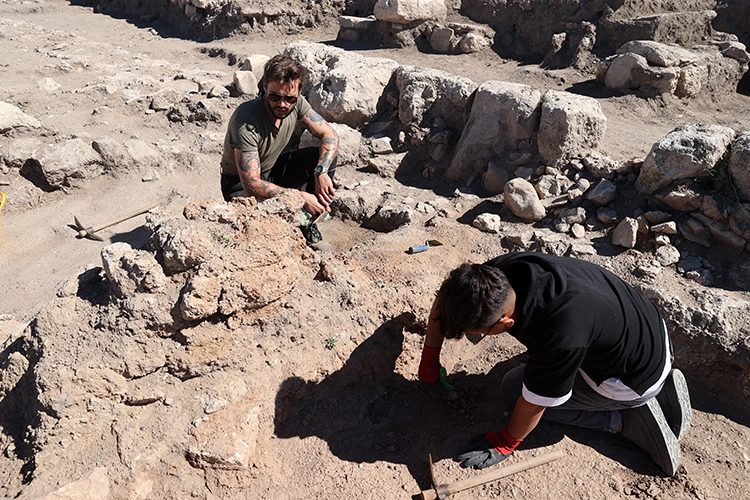
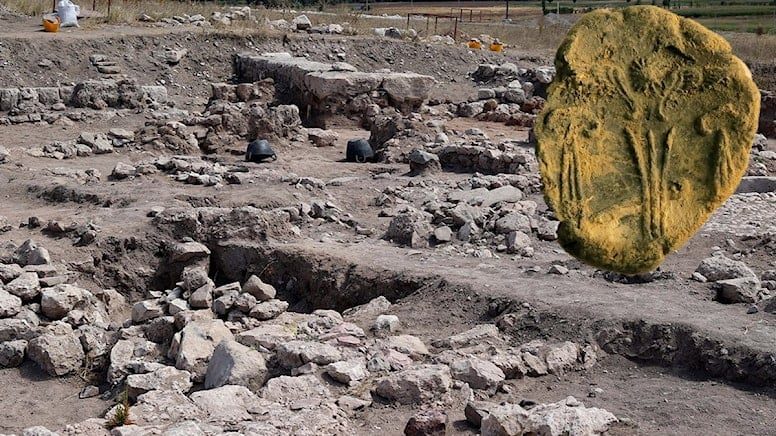
Archaeologists at Kayalıpınar in central Turkey have uncovered a Hittite royal archive of 184 cuneiform tablets, preserved for about 3,400 years. The tablets date to the reign of King Tudhaliya II in the mid-14th century BC.

The archive records a high-fever epidemic that moved from city to city, the illness and death of an infant princess, and letters from generals pleading for reinforcements. It is the most extensive Hittite-language archive found this century.

Why it matters

The tablets give historians a direct, contemporary account of Hittite court life, military crises, and religious practice from 3,400 years ago.

Questions about this story

Free account needed to ask — your question is kept and asked for you right after sign-up. Answers are public.

No questions yet — be the first to ask.

Key Indicators

184
Cuneiform tablets and fragments in the archive
131 found in the 2026 season, adding to 53 from 2025.
131
Tablets recovered in the 2026 excavation season
Recovered by the Koç University team led by Çiğdem Maner.
3,400
Approximate age of the tablets in years
Dated to the reign of King Tudhaliya II, mid-14th century BC.
53
Tablets found at the site in 2025
Believed to belong to the same royal archive.

Voices

Curated perspectives — historical figures and your fellow readers.

Ever wondered what historical figures would say about today's headlines?

Sign up to generate historical perspectives on this story.

People Involved

Organizations Involved

Timeline

2005 October 2026

4 events Latest: Today
Tap a bar to jump to that date
  1. 131 more tablets bring archive to 184

    Today Discovery

    Ministry announces 131 new tablets from King Tudhaliya II's reign, the most extensive Hittite archive found this century.

  2. 53 cuneiform tablets found at the site

    Discovery

    Fifty-three tablets and fragments found, believed to belong to the royal archive.

  3. Maner takes over excavation leadership

    Leadership

    Koç University's Çiğdem Maner begins leading the excavation team.

  4. Excavations begin at Kayalıpınar

    Excavation

    Archaeological work begins at Kayalıpınar, the ancient Hittite city of Šamuḫa.

Scenarios

1

Translations reshape understanding of Tudhaliya II's reign

Likely Resolves by End of 2027

Discussed by: Archaeologists at Koç University and the Ministry of Culture and Tourism

As researchers translate the tablets, new details about the epidemic, military campaigns, and religious practices will emerge. The archive could revise scholarly understanding of the mid-14th century BC Hittite state, a period marked by crisis.

2

Further excavation yields more tablets

Possible Resolves by End of 2027

Discussed by: Excavation team led by Çiğdem Maner

The team suspects more of the archive lies beneath layers containing early Christian burials. Future excavation seasons could uncover additional tablets, expanding the archive beyond 184.

3

Epidemic linked to known historical events

Uncertain Resolves by End of 2028

Discussed by: Historians of the Hittite period

The high-fever epidemic described in the tablets may connect to broader regional events or known Hittite crises. Scholars may link it to other textual evidence from the period, potentially identifying the disease or its geographic spread.

Historical Context

3 moments from history that rhyme with this story — and how they unfolded.

1906

Hattusa archives (1906)

German archaeologist Hugo Winckler discovered the Hittite royal archives at Boğazköy (ancient Hattusa), the Hittite capital in central Anatolia. The thousands of cuneiform tablets revealed the Hittite language and empire to the modern world.

Then

The discovery established Hittite studies as a field and confirmed the Hittites as a major Bronze Age power.

Now

Hattusa became a UNESCO World Heritage site, and the archives remain the foundational corpus for Hittite scholarship.

Why this matters now

The Kayalıpınar archive is the first major Hittite royal archive found since Hattusa, offering a new contemporary source for the empire's history.

1974-1975

Ebla tablets (1974-1975)

Italian archaeologists excavating at Tell Mardikh in Syria uncovered a palace archive of more than 15,000 cuneiform tablets in a previously unknown Semitic language, Eblaite. The tablets documented diplomacy, trade, and administration in the third millennium BC.

Then

The discovery transformed understanding of the ancient Near East and sparked decades of scholarly debate.

Now

The Ebla archive became a benchmark for how a single site's texts can reshape regional history.

Why this matters now

Like Ebla, the Kayalıpınar archive is a single-site discovery with the potential to revise the history of an entire period.

1887

Amarna letters (1887)

Egyptian farmers discovered a cache of clay tablets at Tell el-Amarna, the capital of Pharaoh Akhenaten. The roughly 380 tablets were diplomatic correspondence between Egypt and other Bronze Age powers, including the Hittites.

Then

The letters provided a direct window into Bronze Age international relations and diplomacy.

Now

They remain a primary source for reconstructing the political landscape of the 14th century BC.

Why this matters now

The Kayalıpınar tablets, including letters from generals to the king, offer a similar direct view of Hittite administration and crisis management.

Sources

(7)