


Pull to refresh
Logo
Fingerprints on 15,000-year-old clay figurines show children and adults worked side by side

Fingerprints on 15,000-year-old clay figurines show children and adults worked side by side

New Capabilities

Ridge patterns on 154 Natufian clay objects from three sites in Israel match children, adolescents and adults

Overview

Updated 16 minutes ago

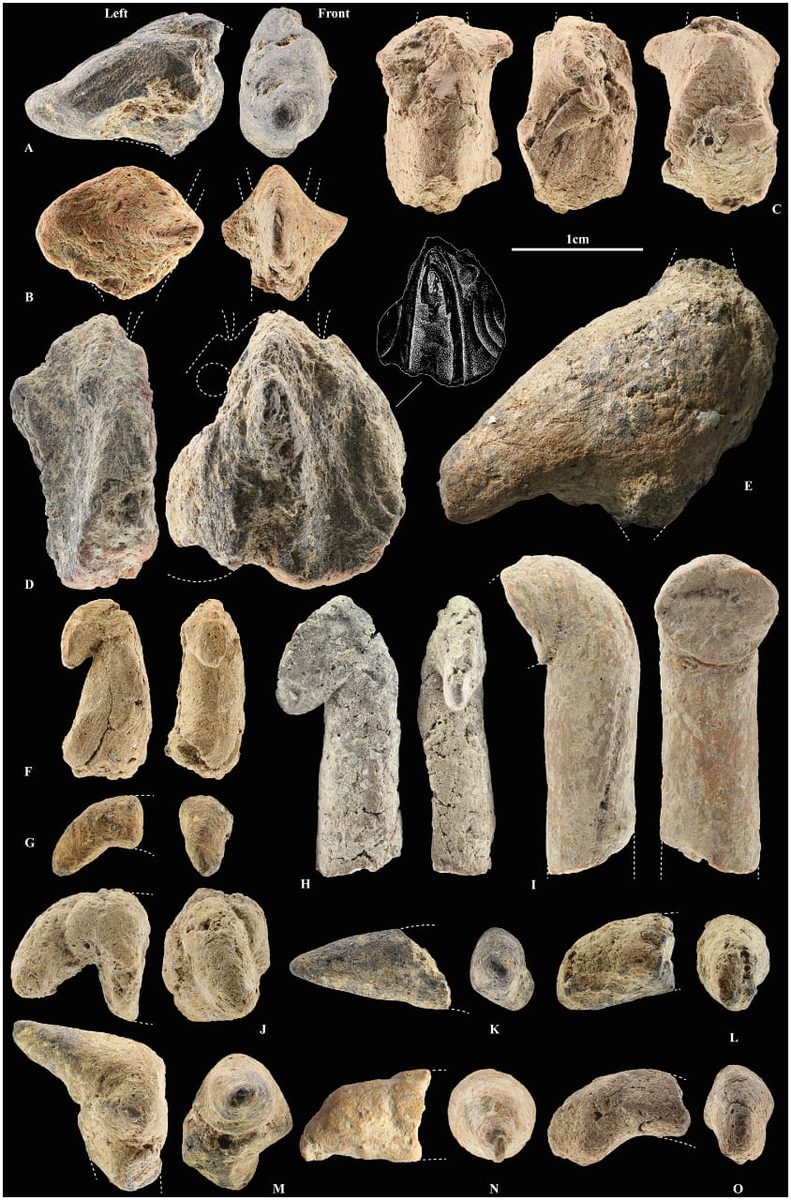
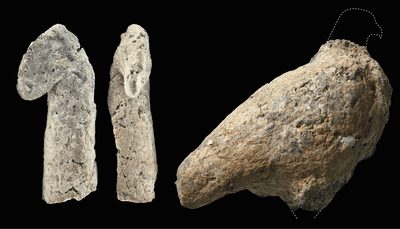
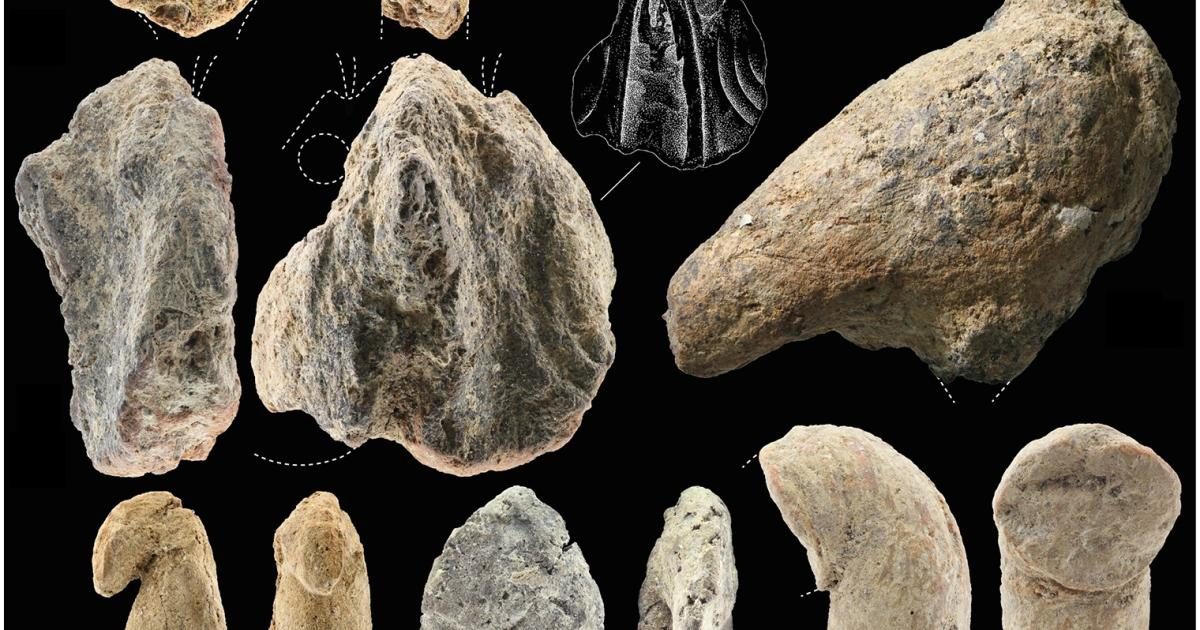
Archaeologists examined 154 fragments of clay figurines made between 15,000 and 11,650 years ago at three sites in what is now Israel. Pressed into the wet clay were fingerprints — some from adults, some from children who had not reached puberty.

One human figurine carries two overlapping prints, an adult woman or young adult first and then a child, which suggests the piece changed hands mid-work. That places children inside Natufian craft production and dates clay symbolic work in the region before the farming villages it was long tied to.

Why it matters

Clay symbols predate farming in the Levant by roughly 3,500 years, moving back when complex symbolic practice is thought to have begun.

Questions about this story

Free account needed to ask — your question is kept and asked for you right after sign-up. Answers are public.

No questions yet — be the first to ask.

Key Indicators

154
Clay figurative artifacts studied
Fragments from Eynan, Hayonim Cave terrace and el-Wad Cave terrace.
3
Excavation sites
All Natufian, all in the southern Levant.
15,000
Years since the oldest pieces were made
The span runs to 11,650 years ago, before farming in the region.
Under 10%
Share of clay objects with readable fingerprints
Most pieces at the three sites left no surviving ridge detail.
0.285 mm
Ridge spacing on the youngest fingerprint
Left by a child probably under 10, on an animal figurine from Eynan.

Voices

Curated perspectives — historical figures and your fellow readers.

Sign up to generate historical perspectives on this story.

People Involved

Organizations Involved

Timeline

1 event Latest: 3 days ago
  1. Study links child fingerprints to Natufian clay figurines

    Latest Research

    PLOS ONE publishes an analysis of 154 clay figurines from Eynan, Hayonim and el-Wad, identifying fingerprints of children, adolescents and adults.

Scenarios

1

Fingerprint analysis extends to a fourth Natufian site

Possible Resolves by Q2 2029

Discussed by: The PLOS ONE authors, who describe their sample as an overview of Natufian clay workers rather than a full census.

Ridge-breadth analysis is cheap and portable, so other museum collections and stored assemblages can be re-examined. A confirming result from a site outside the three studied would show the multigenerational pattern was regional, not local.

2

New excavation yields more fingerprinted figurines at the original sites

Possible Resolves by End of 2029

Discussed by: The Hebrew University team, which notes that fingerprints survive on under 10% of the clay objects recovered so far.

The three sites are terraces and open-air localities that have been dug in phases for decades. Further excavation could add figurines and widen the age profile at each site.

3

Clay figurative work dated earlier than 15,000 years in Southwest Asia

Unlikely Resolves by End of 2030

Discussed by: The authors, who frame the find as pushing back what they call the revolution of symbols.

If figurative clay predates the Natufian, the craft would sit with earlier Epipaleolithic or Upper Palaeolithic groups in the region. No such assemblage has been reported yet.

Historical Context

3 moments from history that rhyme with this story — and how they unfolded.

Upper Palaeolithic

Pavlovian clay figurines (Upper Palaeolithic)

Clay figurines from Upper Palaeolithic Moravia were examined for fingerprints in an earlier study, which looked at 48 impressions left during shaping. That work concluded the makers formed a multigenerational community of practice, with children among those handling the clay.

Then

Showed that clay modeling was part of symbolic life long before pottery.

Now

Supplied the ridge-breadth method the Israeli team later applied to Natufian material.

Why this matters now

It is the direct comparison the new study measures itself against, and the earlier result it confirms.

15,000-11,650 years ago

Natufian sedentism (15,000-11,650 years ago)

Natufian groups in the southern Levant lived in some of the earliest permanent settlements, including Eynan (Ain Mallaha) in the Upper Jordan Valley, before farming began. Their tools and ornaments were mostly stone and bone.

Then

Village life took hold millennia before crops did.

Now

The period became the standard threshold for the Neolithic transition in the region.

Why this matters now

All three sites in the new study are Natufian, which is why the figurines predate agriculture.

About 11,500 years ago

Farming villages of Southwest Asia (about 11,500 years ago)

Communities in Southwest Asia began growing crops and herding animals, and clay became common in daily use. Researchers long assumed symbolic clay figures arrived with that package.

Then

Clay moved into everyday life as pottery and construction material.

Now

The Neolithic became the default starting point for clay figurative traditions in the region.

Why this matters now

The new find moves the start of that tradition back roughly 3,500 years, before farming.

Sources

(10)