
Pull to refresh
Logo
France and Malaysia sign strategic partnership covering defence, rare earths and energy

France and Malaysia sign strategic partnership covering defence, rare earths and energy

Rule Changes

Macron's first visit to Kuala Lumpur since 2017 produced seven defence letters of intent, a rare earths processing joint venture and limited Malaysian raw mineral exports to France

Overview

Updated 6 hours ago

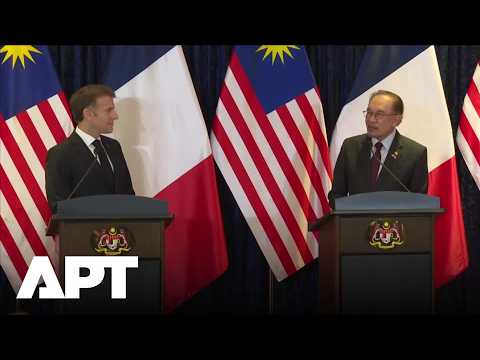
Malaysia agreed to ship unprocessed rare earth minerals to France and to buy French artillery, helicopters and submarine upgrades, under a strategic partnership signed in Kuala Lumpur on 17 November. It is the first time the two countries have raised their relationship to that level, a year before they mark 70 years of diplomatic ties.

The trade is specific. Malaysia gets French help building a rare earths separation plant in Perak and access to defence technology it can integrate at home. France gets offtake from a mineral supply chain that runs mostly through China, plus a closer partner in a region where it holds island territories and wants more influence.

Why it matters

Malaysia is trading raw minerals for refining technology and weapons, testing whether resource nationalism can buy industrial capacity.

Questions about this story

Free account needed to ask — your question is kept and asked for you right after sign-up. Answers are public.

No questions yet — be the first to ask.

Key Indicators

13,000
Planned annual rare earth processing capacity at the Perak plant
Figure given by Carester's chief executive for the separation plant due to start operating in 2027.
36
105mm artillery gun components for local integration
Part of KNDS's proposal to supply a light artillery system to the Malaysian Army.
7
Defence letters of intent exchanged
Proposals covering artillery, submarine upgrades and aerospace cooperation; none are firm orders yet.
70
Years of France-Malaysia diplomatic relations in 2027
Both governments framed the new partnership around the coming anniversary.

Voices

Curated perspectives — historical figures and your fellow readers.

Sign up to generate historical perspectives on this story.

People Involved

Organizations Involved

Timeline

2017 2027

6 events Latest: Yesterday
Tap a bar to jump to that date
  1. Carester-Malaco plant due to start operating

    Upcoming Industry

    The rare earths separation plant in Perak state is scheduled to begin operations.

  2. Strategic partnership signed; defence and minerals deals exchanged

    Latest Agreement

    Seven defence letters of intent and three memoranda of understanding are exchanged, alongside a critical minerals pact and a rare earths joint venture.

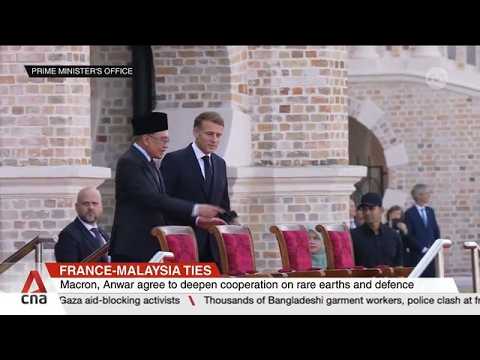
  3. Macron arrives in Kuala Lumpur

    Diplomacy

    Anwar Ibrahim welcomes the French president and Brigitte Macron at the start of a two-day official visit.

  4. Malaysia eases the rare earth export ban

    Policy

    Conditional shipments of raw rare earths are allowed for research or processing purposes.

  5. Malaysia bans raw rare earth exports

    Policy

    Kuala Lumpur blocks shipments of unprocessed rare earths to protect domestic resources and force processing onshore.

  6. Macron's first presidential visit to Malaysia

    Diplomacy

    Macron visits Malaysia during his first term. The 2026 trip is his first return in nine years.

Scenarios

1

Rare earths plant opens in Perak on schedule

Likely Resolves by End of 2027

Discussed by: Carester chief executive Frederic Carencotte, who gave the 13,000-tonne figure in July 2026

Carester and Malaco have said the separation plant will begin operating in 2027. If it does, Malaysia becomes one of the few places outside China that can separate rare earths at commercial scale, and France gets a non-Chinese offtake route for magnets and defence components. Slippage is common in minerals projects, and permitting or waste-handling disputes could delay it.

2

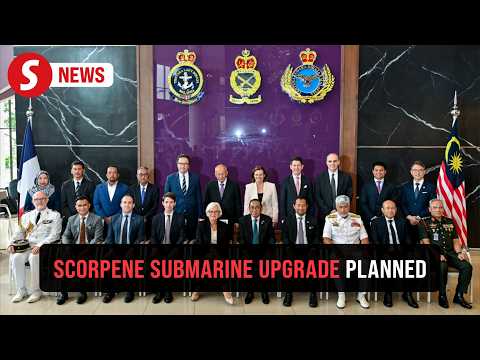
Scorpene upgrade letters of intent become signed contracts

Possible Resolves by Q3 2027

Discussed by: Malaysia's Defence Ministry, which described the documents as proposals for procurement and industrial cooperation

Boustead Submarine Engineering Services issued letters of intent to Naval Group, Thales and Safran for a mid-life upgrade of the Royal Malaysian Navy's two Scorpene submarines. Letters of intent are not orders. The test is whether they convert into firm contracts with delivery dates and payment terms.

3

France lands a fighter or submarine order from Malaysia

Unlikely Resolves by End of 2028

Discussed by: Macron, who said France would pursue additional deals in submarines and fighter jets

Macron named submarines and fighter jets as follow-on targets without giving details or timelines. A firm order would make France a long-term defence supplier to Malaysia rather than a one-off vendor. Malaysia's defence procurement is slow and budget-constrained, and the country has been reassessing Western suppliers since Norway revoked an export licence for missiles bound for its naval fleet.

Historical Context

3 moments from history that rhyme with this story — and how they unfolded.

September 2021

AUKUS and the cancelled French submarine deal (2021)

Australia cancelled a contract for French-built conventional submarines and said it would buy US and UK nuclear-powered boats instead. Paris called the move a betrayal, recalled its ambassadors from Washington and Canberra, and said it had learned that alliances could be rearranged without notice.

Then

France lost the contract and publicly accused the United States of treating it as an afterthought.

Now

Paris redoubled its push for European strategic autonomy and for bilateral ties in the Indo-Pacific that do not depend on Washington.

Why this matters now

The Malaysia partnership is that strategy in practice: French defence sales pitched as an alternative to relying on the US or China.

January 2020

Indonesia's raw nickel export ban (2020)

Indonesia stopped exporting unprocessed nickel ore and required miners to smelt at home. The ban was designed to force processing and manufacturing into the country rather than shipping ore to foreign smelters.

Then

Chinese firms built smelters in Indonesia anyway, and Indonesian nickel output rose sharply.

Now

The policy became a template for resource nationalism across the region, including Malaysia's 2024 rare earth export ban.

Why this matters now

Malaysia's conditional export easing is a version of the same bargain: allow some raw exports in exchange for processing capacity at home.

September-October 2010

China's rare earth restrictions on Japan (2010)

After a collision between a Chinese trawler and Japanese coast guard vessels near the Senkaku islands, China slowed rare earth shipments to Japan. Japanese manufacturers depended on Chinese supply for magnets and electronics.

Then

Japan scrambled for alternatives and backed Australian producer Lynas to build processing capacity outside China.

Now

The episode established rare earths as a lever of state pressure and started a decade of Western efforts to diversify supply.

Why this matters now

France's interest in Malaysian rare earths is the same diversification logic, 16 years later.

Sources

(11)