
Pull to refresh
Logo
Australia and the Philippines sign defence pact to speed joint military activity

Australia and the Philippines sign defence pact to speed joint military activity

Rule Changes

A new arrangement replaces a 1995 memorandum and cuts the paperwork for Australian troops, drones and patrols in the Philippines

Overview

Updated 1 hour ago

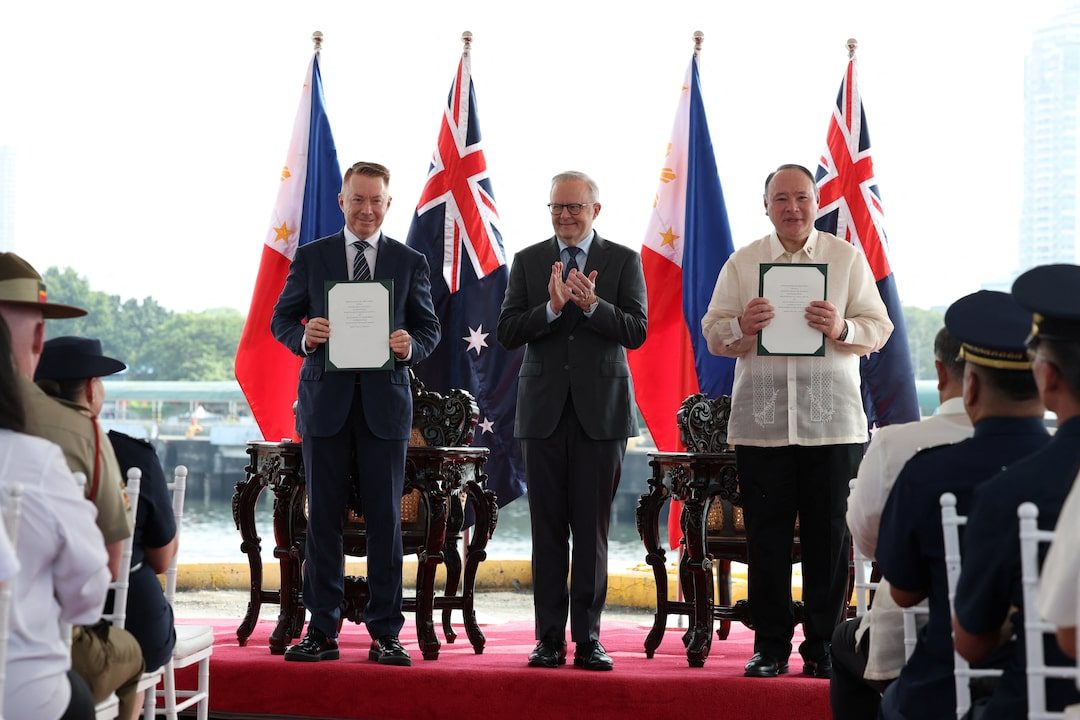
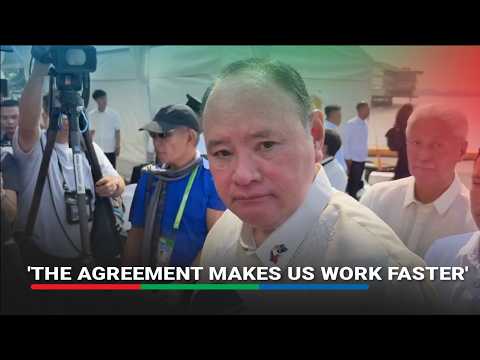
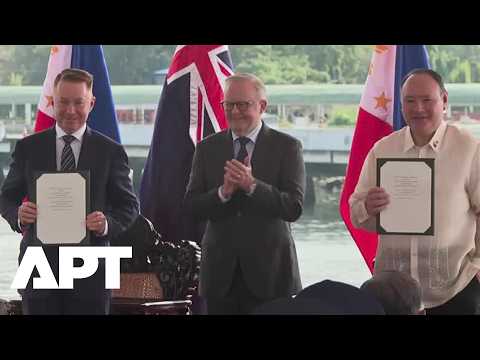
Australia and the Philippines signed a defence cooperation agreement in Manila on November 15, replacing a 1995 memorandum that had governed joint military work for three decades. Philippine Defence Secretary Gilberto Teodoro Jr. said the deal cuts coordination from '100 steps' to '10.'

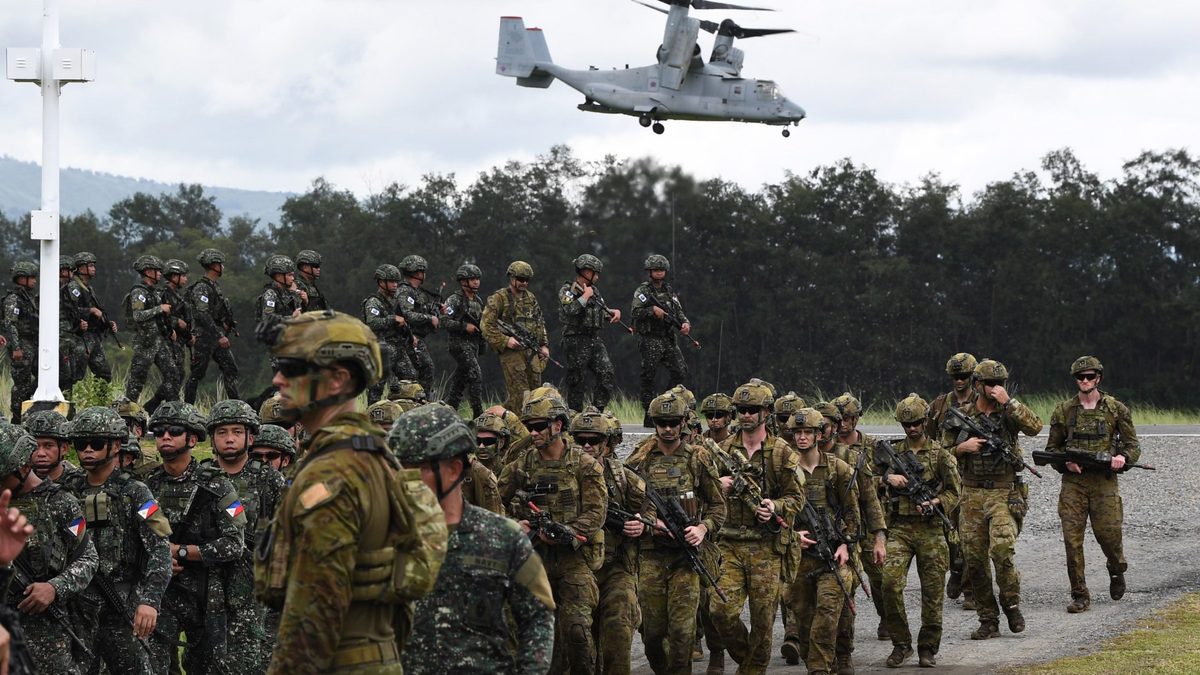
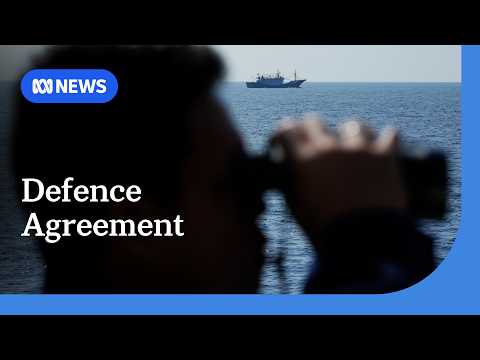
The arrangement sits on top of a 2007 visiting forces agreement that had been slow to implement. It covers maritime, air and land exercises, disaster response and information sharing, and clears the way for more joint patrols in waters China also claims.

Why it matters

Faster approvals for Australian troops and drones in the Philippines could change how often allied forces patrol the South China Sea.

Questions about this story

Free account needed to ask — your question is kept and asked for you right after sign-up. Answers are public.

No questions yet — be the first to ask.

Key Indicators

200
Separate defence cooperation activities
The number of bilateral activities Australia says its defence cooperation with the Philippines involves.
2,500–3,000
Australian Defence Force personnel involved
The range of Australian personnel participating in those activities, per the Prime Minister's office.
80
Years of diplomatic relations
Australia and the Philippines mark 80 years of diplomatic ties in 2026.
7
Nations in Exercise Balikatan 2026
Australia made its largest-ever contribution to the Philippines' premier military exercise this year.

Voices

Curated perspectives — historical figures and your fellow readers.

Sign up to generate historical perspectives on this story.

People Involved

Organizations Involved

Timeline

1995 November 2026

6 events Latest: Today
Tap a bar to jump to that date
  1. Defence cooperation agreement signed in Manila

    Today Agreement

    Teodoro and Innes-Brown sign the arrangement, witnessed by Albanese, replacing the 1995 memorandum.

  2. Wong warns Beijing over regional conduct

    Statement

    Australia's foreign minister warns against destabilising conduct, drawing a Chinese rebuke.

  3. Countries signal intent to formalise a new deal

    Statement

    The two governments sign an intent to formalise a defence arrangement in 2026.

  4. SOVFA enters into force

    Agreement

    The visiting forces agreement takes effect, five years after signing.

  5. Status of Visiting Forces Agreement signed

    Agreement

    The two countries sign SOVFA, setting rules for each other's troops on their soil.

  6. Philippines and Australia sign defence memorandum

    Agreement

    The 1995 memorandum of understanding becomes the base document for bilateral defence cooperation.

Scenarios

1

Joint Australia-Philippines maritime patrols expand under the new arrangement

Likely Resolves by Q2 2027

Discussed by: Philippine defence officials and Australian government statements

Teodoro said the deal would hasten coordination for maritime patrols, including with other like-minded nations. If implementation follows, the two countries would run more frequent joint patrols and information-sharing exercises in the South China Sea and West Philippine Sea.

2

China issues a formal rebuke and steps up pressure in contested waters

Possible Resolves by Q2 2027

Discussed by: Reuters and regional security analysts

China's defence and foreign ministries did not respond on the day of signing. A formal rebuke, followed by heightened coast guard or maritime militia activity near Philippine outposts, is the most direct counter-move available to Beijing.

3

Philippine legal or legislative review delays implementation

Unlikely Resolves by Q2 2027

Discussed by: Philippine political analysts

The arrangement is meant to streamline the existing visiting forces agreement rather than create a new treaty. A Senate or Supreme Court challenge could still slow implementation if critics argue it expands foreign military presence without new ratification.

Historical Context

3 moments from history that rhyme with this story — and how they unfolded.

April 2014

US-Philippines Enhanced Defense Cooperation Agreement (2014)

The Philippines and the United States signed an agreement giving American forces access to designated Philippine bases and the right to build facilities, without establishing a permanent US base. It was challenged in the Philippine Supreme Court.

Then

The Supreme Court upheld the agreement in 2016, clearing the way for expanded US rotational presence.

Now

It became the template for the Philippines' approach to allied access: streamlined arrangements layered on top of existing treaties.

Why this matters now

The Australia arrangement follows the same model, consolidating fragmented memoranda rather than creating a new treaty, which is why officials describe it as a coordination fix.

July 2016

South China Sea arbitration ruling (2016)

An international tribunal convened under the United Nations Convention on the Law of the Sea ruled that China's sweeping claims in the South China Sea had no basis under international law. Beijing rejected the decision.

Then

The ruling did not change China's physical presence in the waterway.

Now

It became the legal reference point for the Philippines and partners such as Australia in disputes over the waterway.

Why this matters now

Australia has consistently backed the ruling, and the new arrangement is framed by Manila as strengthening its deterrence posture in the waters the ruling covers.

April–June 2012

Scarborough Shoal standoff (2012)

Philippine and Chinese vessels confronted each other near Scarborough Shoal in the South China Sea. The standoff ended with China effectively controlling the area.

Then

The Philippines lost access to the shoal's fishing grounds.

Now

The episode pushed Manila to deepen security ties with the United States and other partners.

Why this matters now

It explains why the Philippines has been broadening its network of security partners, of which this arrangement with Australia is one.

Sources

(10)