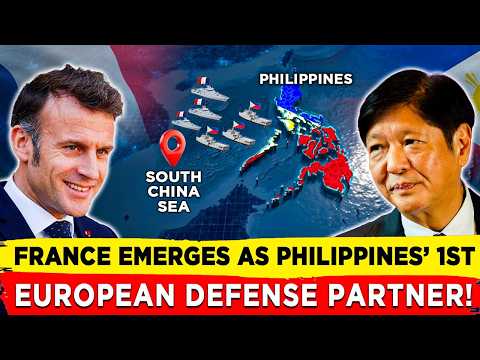
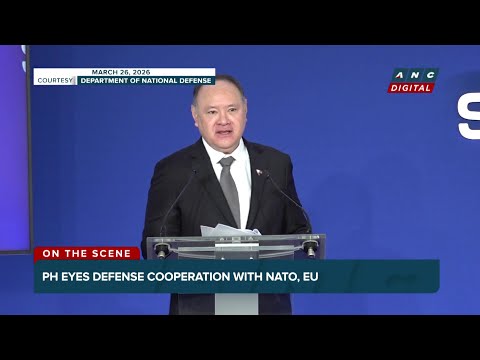
For decades, security in the western Pacific ran through Washington. Countries struck bilateral deals with the United States and, mostly, with no one else. That model is dissolving. On March 27, the Philippines and France signed a Status of Visiting Forces Agreement (SOVFA) in Paris. It's the Philippines' first such pact with a European partner. The agreement gives each country's troops a legal basis to train and operate on the other's soil. France now joins the United States, Australia, Japan, New Zealand, and Canada on a growing list of nations with military access arrangements in the Philippines. Four of these were signed in under two years.
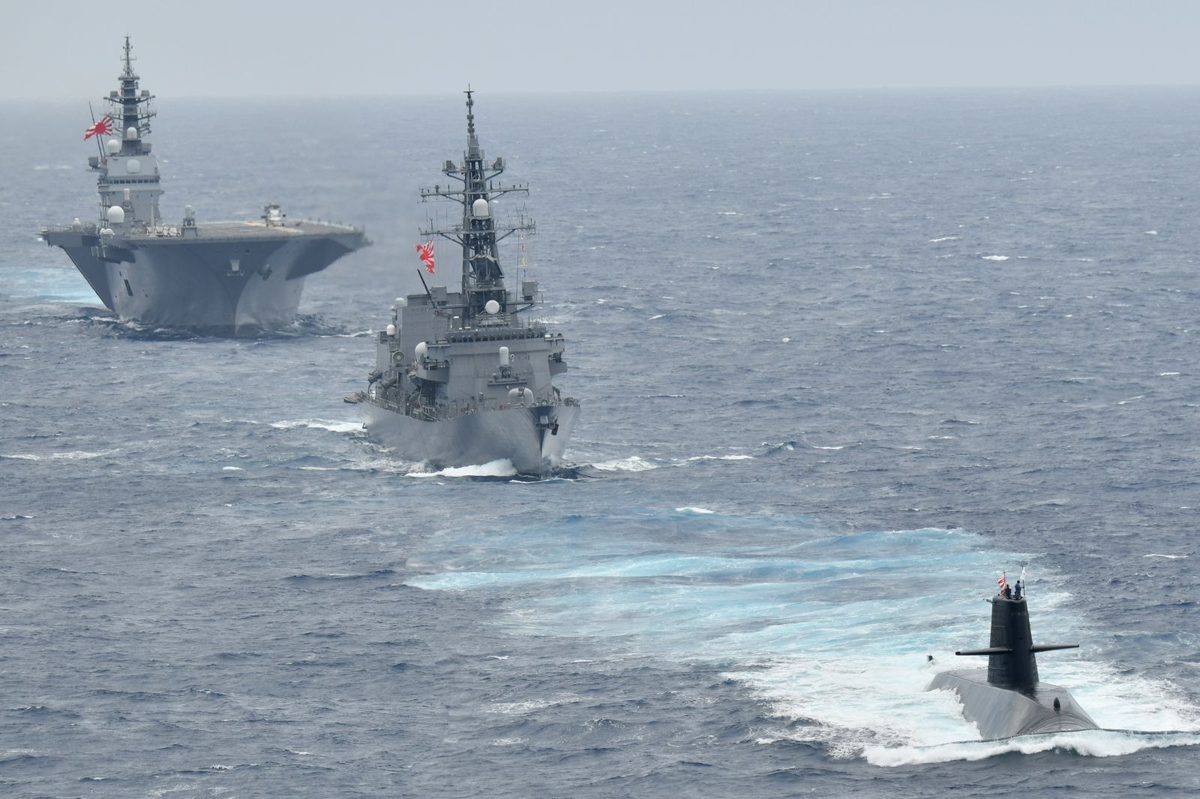
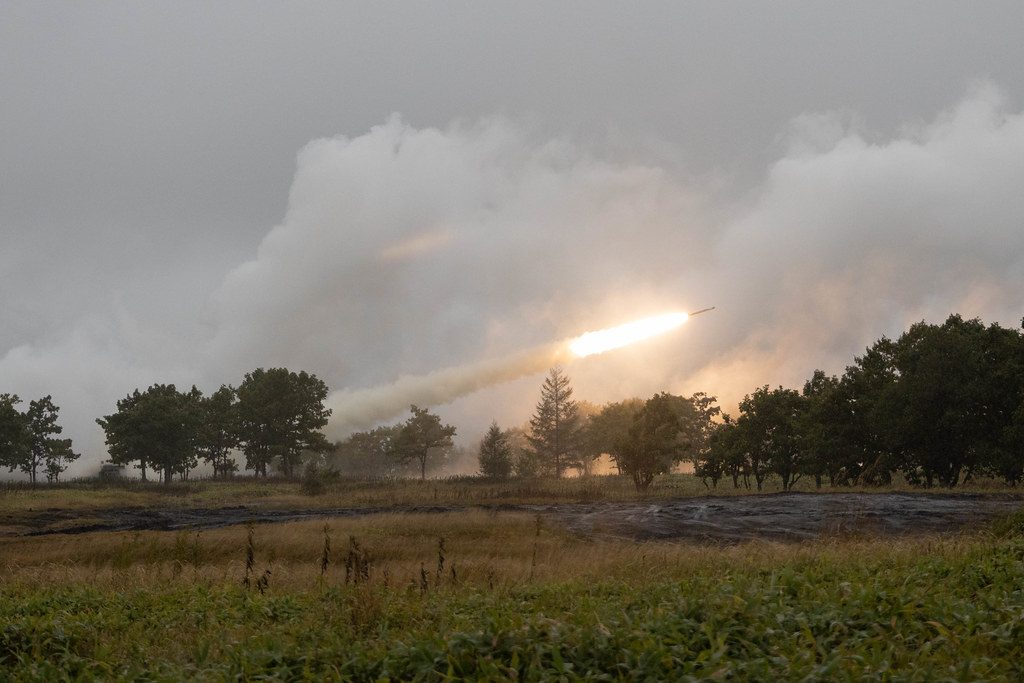
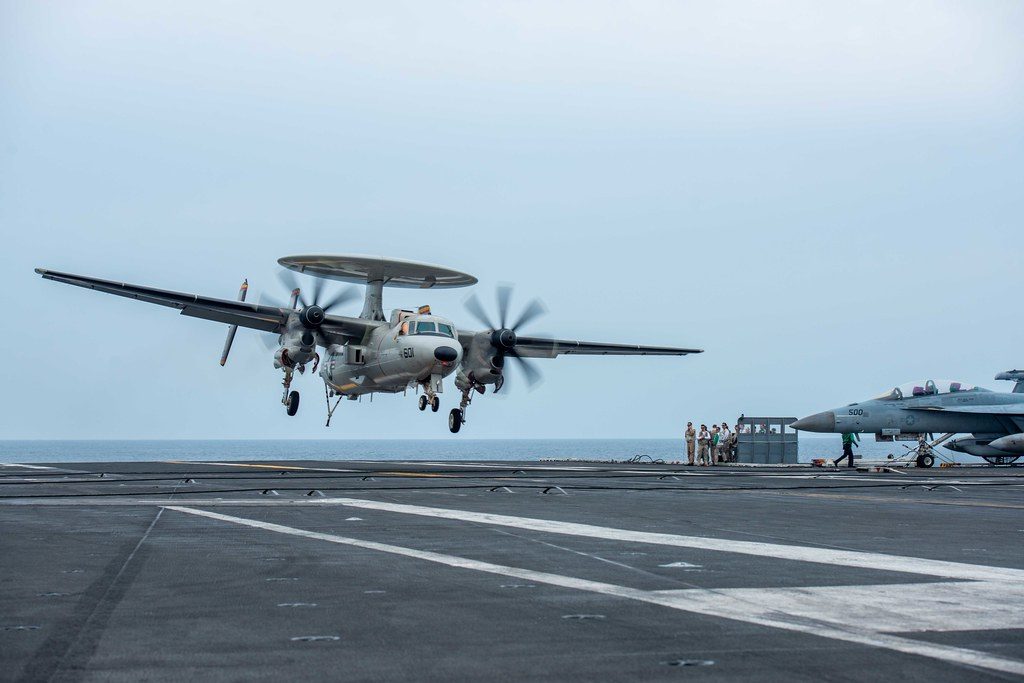
The agreement lands weeks before Balikatan 2026, the annual Philippine-American military exercise. For the first time, a French amphibious warship will participate alongside a record 1,000 Japanese troops carrying weapons in overseas drills—a first since World War II. These moves mark a shift: the Cold War's hub-and-spoke alliance system is giving way to an interlocking lattice to deter coercion in the South China Sea, where Chinese and Philippine vessels now confront each other.