
Pull to refresh
Logo
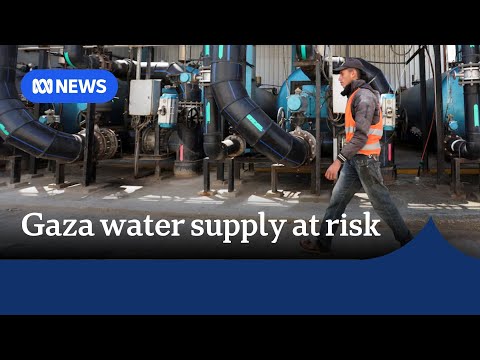
Gaza's Al-Bassa desalination plant reconnected to the grid

Gaza's Al-Bassa desalination plant reconnected to the grid

Built World

A repaired 4-kilometer feeder line restores Kissufim F11 power to a plant built to supply 80,000 people

Overview

Updated 17 minutes ago

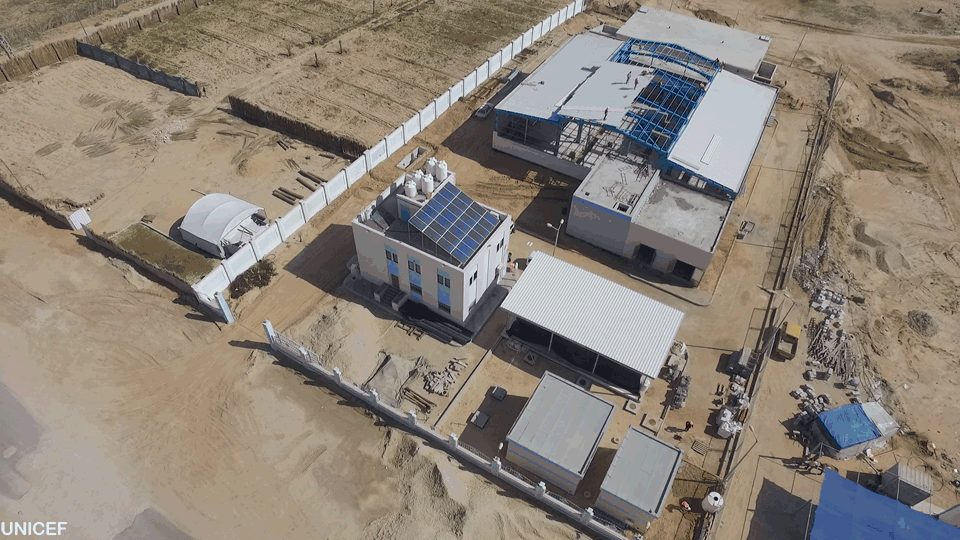
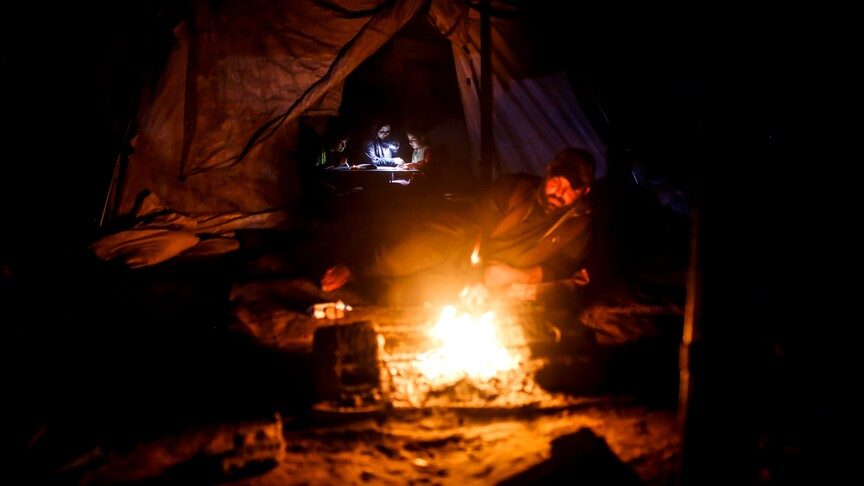
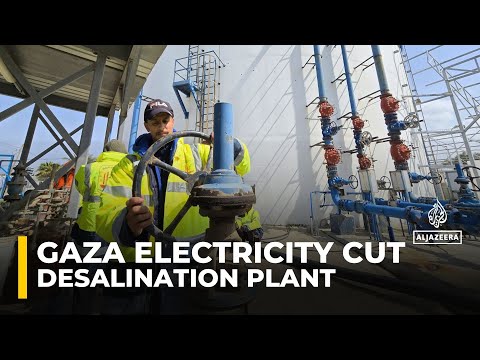
For most of three years, the Al-Bassa desalination plant in Deir al-Balah ran on diesel generators. On November 25, the Palestinian Energy and Natural Resources Authority fed it grid power again through the Kissufim F11 line, after crews spent about two weeks temporarily repairing four kilometers of damaged cable on the Palestinian side.

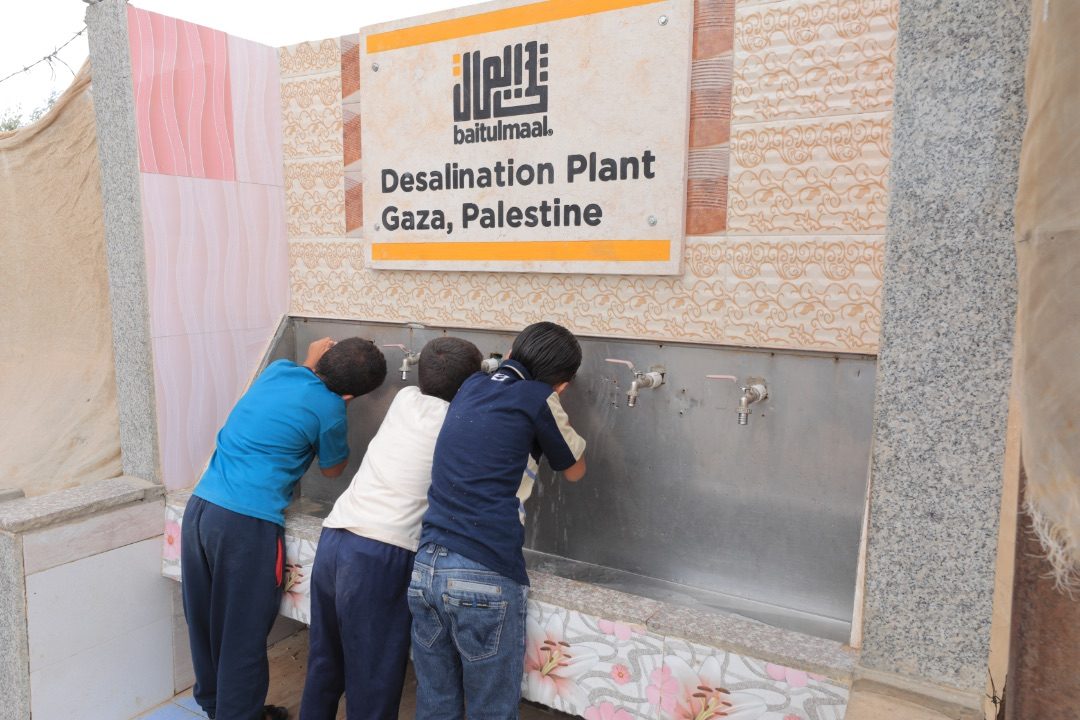
The plant was built to produce 6,000 cubic meters of water a day for roughly 80,000 people. In June 2026, entirely on generators, it averaged 1,455 cubic meters a day. The announcement gave no output figures or operating hours, so how far production recovers depends on whether the line holds.

Why it matters

Grid power could lift Al-Bassa from 1,455 cubic meters a day toward its 6,000 design capacity, the water supply for about 80,000 people.

Questions about this story

Free account needed to ask — your question is kept and asked for you right after sign-up. Answers are public.

No questions yet — be the first to ask.

Key Indicators

80,000
People served at full capacity
Residents of Al-Zawayda and parts of Deir al-Balah, per the Coastal Municipalities Water Utility.
1,455 m³/day
Output on generators, June 2026
Average daily production while the plant ran entirely on diesel, per the utility's activity report.
6,000 m³/day
Design capacity
Al-Bassa's full output when supplied with power around the clock, per the utility.
4 km
Feeder line repaired
Length of damaged F11 cable temporarily fixed on the Palestinian side over two weeks.
90%
Gaza infrastructure damaged or destroyed
Share of the enclave's infrastructure hit since October 2023, per Palestinian authorities.

Voices

Curated perspectives — historical figures and your fellow readers.

Sign up to generate historical perspectives on this story.

People Involved

Organizations Involved

Timeline

October 2023 November 2026

7 events Latest: Today
Tap a bar to jump to that date
  1. Power returns to Al-Bassa

    Today Infrastructure

    Electricity reaches the Deir al-Balah desalination plant through the Kissufim F11 feeder line.

  2. Crews repair four kilometers of F11

    Repair

    The energy authority and the Gaza distribution utility temporarily fix the damaged line on the Palestinian side.

  3. Southern desalination output hits low

    Data

    The UN humanitarian office reports output from southern Gaza's two seawater plants at its lowest level, citing missing spare parts.

  4. Al-Bassa runs entirely on generators

    Data

    The water utility reports average daily output of about 1,455 cubic meters for the month.

  5. Southern plant falls to 20% output

    Infrastructure

    Damage to six high-voltage cable connectors pushes the Southern Gaza Seawater Desalination Plant onto diesel generators.

  6. Last 5 megawatts cut

    Infrastructure

    Israel ends the limited supply still reaching Gaza, which had run a central desalination plant.

  7. Gaza loses mains power

    Infrastructure

    Israel halts electricity supplies and Gaza's sole power plant shuts after running out of fuel. Facilities shift to generators and solar.

Scenarios

1

Al-Bassa holds grid power and output climbs toward design capacity

Possible Resolves by Feb 28, 2027

Discussed by: Palestinian Energy and Natural Resources Authority; Coastal Municipalities Water Utility reporting

The repaired F11 line stays in service through the winter and the plant draws steady power instead of burning diesel. Production rises well above the 1,455 cubic meters a day recorded in June 2026, and the utility restores more consistent supply to Al-Zawayda and Deir al-Balah. The trigger is a line that holds and equipment that works; the risk is that either fails before output is measured.

2

Line fails again and Al-Bassa returns to diesel

Possible Resolves by May 31, 2027

Discussed by: UNICEF and OCHA reporting on repeated cable and spare-parts failures

The repair on the Palestinian side was temporary, and the plant has lost grid power before: in March 2026 damaged connectors cut a southern plant to under 20% of capacity within a day. A repeat failure, or a shortage of fuel and spare parts, would put Al-Bassa back on generators and hold output near or below its June 2026 level.

3

A second feeder line reconnects another water facility

Uncertain Resolves by Q2 2027

Discussed by: Palestinian Energy and Natural Resources Authority statements on restoring vital facilities

The authority says it is working through priorities, and Al-Bassa is one facility among many. The next test is whether the same repair-and-reconnect method extends to another plant, well field or pumping station on a separate feeder line. That would show the F11 work is a repeatable process rather than a single patch.

Historical Context

3 moments from history that rhyme with this story — and how they unfolded.

November 2021

Gaza desalination power agreement (2021)

Gaza's water and energy authorities agreed to supply three seawater desalination plants with power around the clock. The plants had been running at half capacity because of long outages; Al-Bassa alone was built to make 6,000 cubic meters a day for 80,000 people.

Then

Output from the three plants was expected to reach 22,000 cubic meters a day.

Now

The arrangement showed that electricity supply, not plant hardware, set the ceiling on Gaza's desalination output.

Why this matters now

The same binding constraint applies now: Al-Bassa's output tracks the power feeding it, not its design.

March 2026

Southern Gaza desalination cable failure (March 2026)

Damage to six high-voltage cable connectors and connected segments knocked the Southern Gaza Seawater Desalination Plant off the grid on March 25. Output fell below 20% of full capacity, and UNICEF teams sourced replacement parts to reconnect it within days.

Then

Water production dropped sharply for tens of thousands of people in Deir al-Balah and Al Mawasi before repairs finished.

Now

The incident established how quickly a single damaged line can cut a plant's output, and how dependent recovery is on imported spare parts.

Why this matters now

The F11 repair is the same kind of fix, and the same vulnerability remains: one damaged segment can undo it.

September 2026

Israel's own desalination crunch (2026)

The Guardian reported that an algae bloom had crippled much of Israel's desalination capacity, causing weeks of water shortages. Scientists quoted in the report linked the bloom to untreated sewage discharged after Israeli attacks destroyed much of Gaza's wastewater infrastructure.

Then

Israel faced weeks of constrained water supply.

Now

The episode showed that damage to Gaza's water and sanitation systems does not stay inside Gaza.

Why this matters now

Restoring plants like Al-Bassa affects regional water conditions, not only Palestinian households.

Sources

(8)