
Pull to refresh
Logo
Daily Brief
Following
Why
The deadliest conflict for journalists in modern history

The deadliest conflict for journalists in modern history

Force in Play
By Newzino Staff | |

Over 200 Palestinian Media Workers Killed Since October 2023, With Deaths Continuing Under Ceasefire

January 22nd, 2026: Three Journalists Killed During Ceasefire

Overview

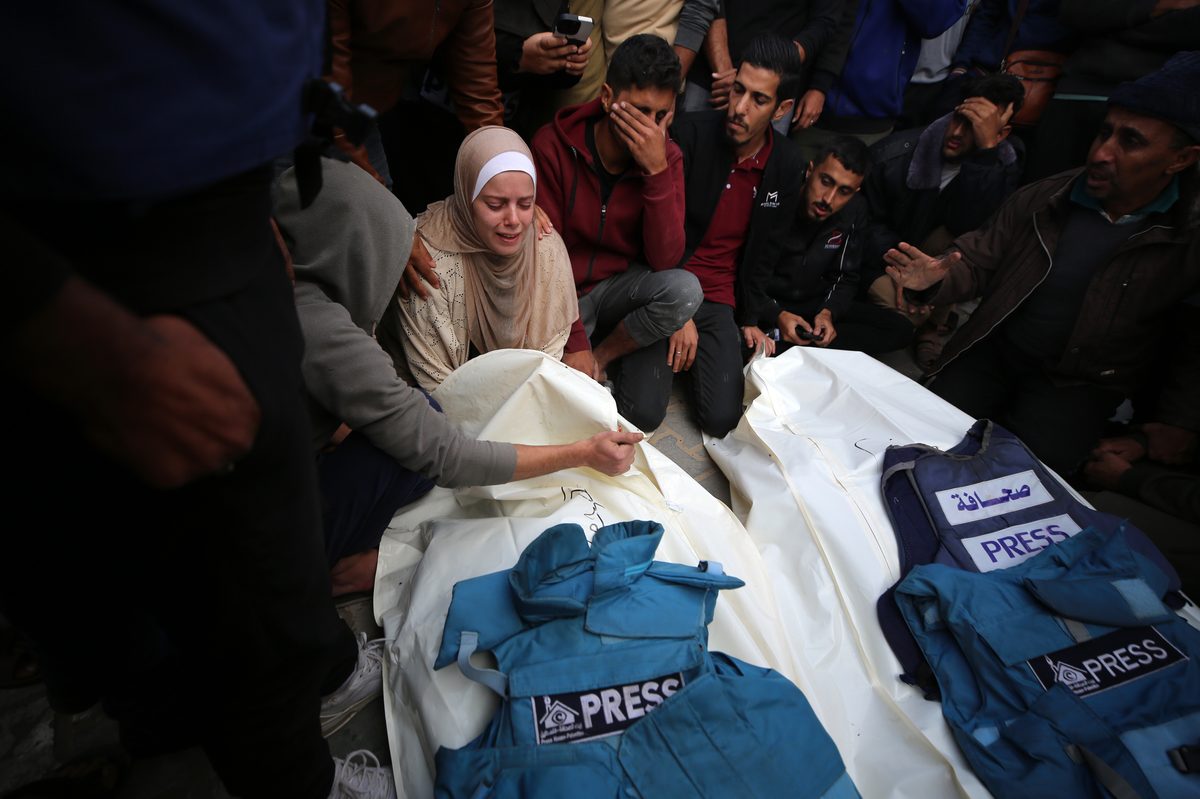
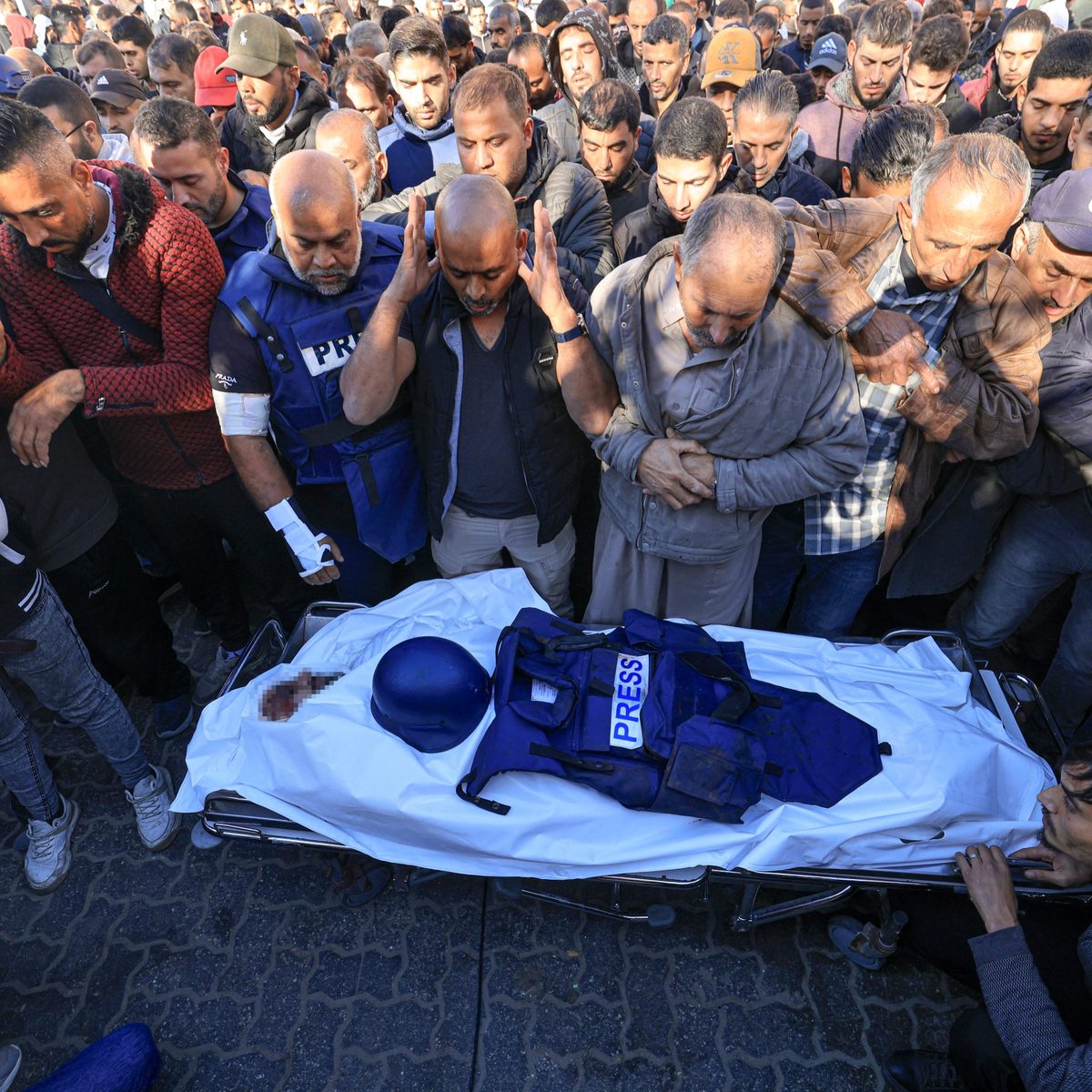
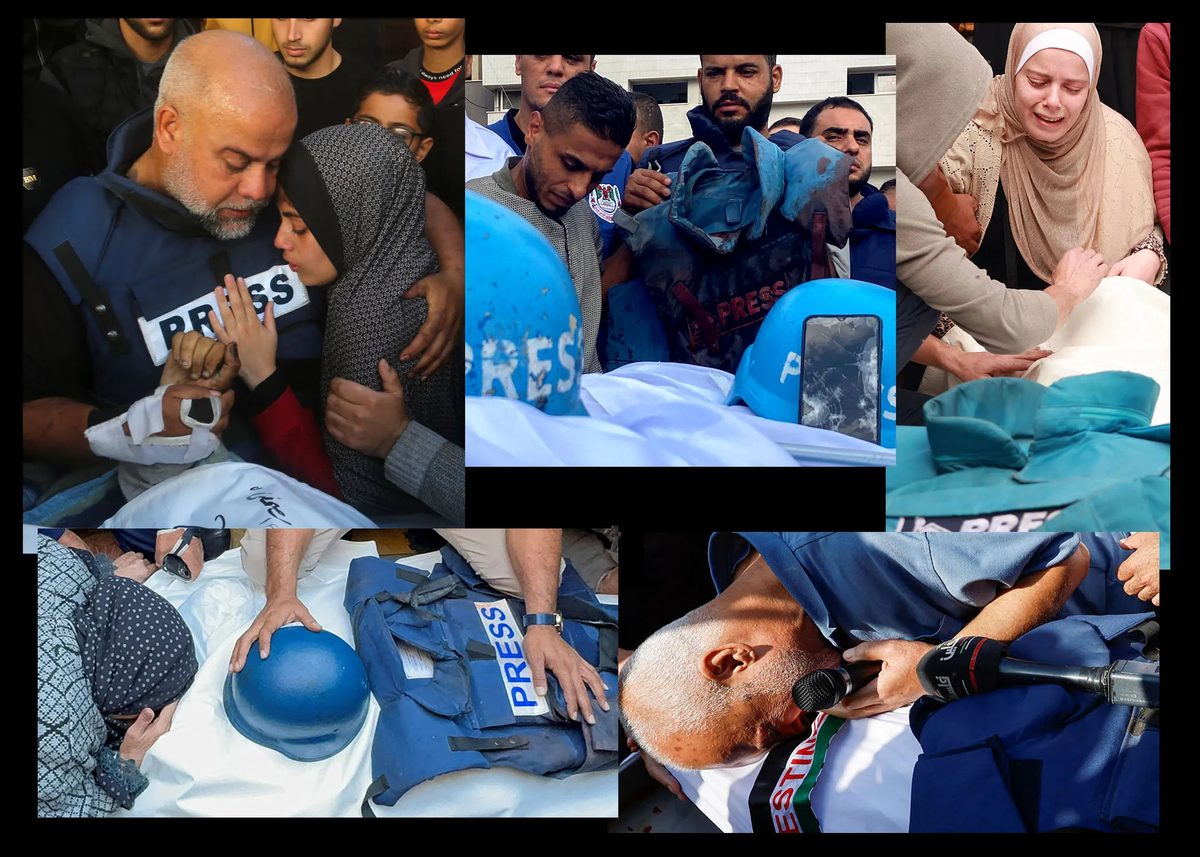
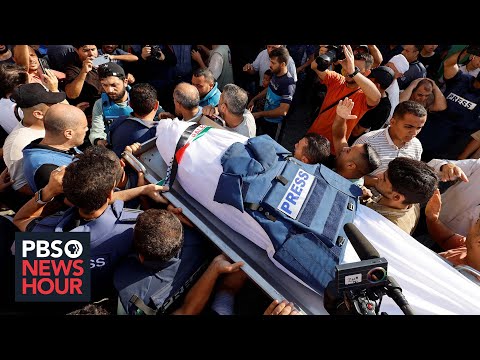
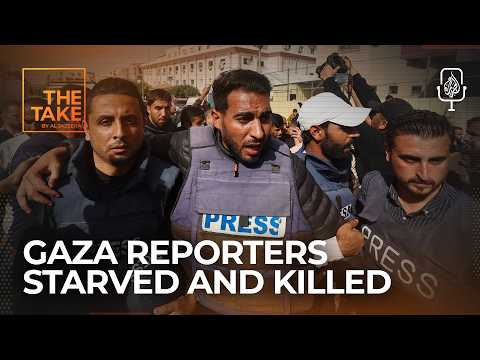
More journalists have been killed covering the Gaza war than in any armed conflict in modern history. Since October 2023, Israeli strikes have killed over 260 Palestinian journalists—more than the combined journalist death toll from World War I, World War II, the Korean War, and the Vietnam War. On January 21, 2026, three more were killed in a strike on their vehicle while documenting aid distribution for an Egyptian relief organization, despite an ongoing ceasefire and clear humanitarian markings. The Committee to Protect Journalists has determined that at least 64 were directly targeted.

The pattern has drawn condemnation from press freedom organizations worldwide. Reporters Without Borders filed its fifth ICC complaint in late 2025, documenting 30 journalists attacked between May 2024 and August 2025. Israel maintains it does not target journalists, arguing that many killed were militants or operating in proximity to Hamas. The International Criminal Court has issued arrest warrants for Israeli leaders on war crimes charges, though not specifically for journalist deaths. With over 470 Palestinians killed since the October 2025 ceasefire began—and journalists still dying—the question of accountability remains unresolved.

Key Indicators

260+
Journalists Killed in Gaza
CPJ-verified deaths of journalists and media workers since October 7, 2023
64
Directly Targeted
Cases CPJ has determined were deliberate targeting by Israeli forces
470+
Palestinians Killed Under Ceasefire
Deaths from Israeli fire since ceasefire began October 10, 2025
0
Prosecutions
Number of Israeli personnel held accountable for journalist deaths

Interactive

Exploring all sides of a story is often best achieved with Play.

Ever wondered what historical figures would say about today's headlines?

Sign up to generate historical perspectives on this story.

Sign Up

Debate Arena

Two rounds, two personas, one winner. You set the crossfire.

People Involved

Abdul Raouf Shaat
Abdul Raouf Shaat
Freelance Cameraman, CBS News Contributor (Killed January 21, 2026)
Mohammed Salah Qashta
Photojournalist, Egyptian Humanitarian Committee (Killed January 21, 2026)
Anas Ghneim
Anas Ghneim
Journalist, Egyptian Humanitarian Committee (Killed January 21, 2026)
Shireen Abu Akleh
Shireen Abu Akleh
Al Jazeera Correspondent (Killed May 11, 2022)
Sara Qudah
Sara Qudah
Regional Director, Committee to Protect Journalists (Active)

Organizations Involved

Committee to Protect Journalists
Press Freedom Organization
Status: Primary tracker of journalist casualties

Independent nonprofit organization that promotes press freedom worldwide and defends the rights of journalists.

Reporters Without Borders (RSF)
Press Freedom Organization
Status: Filed war crimes complaints with ICC

International organization that safeguards journalists and press freedom, headquartered in Paris.

Israel Defense Forces (IDF)
Military
Status: Conducting operations under ceasefire

Israel's unified military force responsible for ground, air, and naval operations.

International Criminal Court
International Judicial Body
Status: Active arrest warrants for Israeli leaders

Permanent international tribunal that prosecutes individuals for genocide, crimes against humanity, and war crimes.

Timeline

  1. Three Journalists Killed During Ceasefire

    Incident

    Israeli strike kills Abdul Raouf Shaat (CBS contributor), Mohammed Qashta, and Anas Ghneim while documenting aid distribution in al-Zahra. IDF claims they operated 'Hamas-affiliated drone.'

  2. AFP Demands Full Investigation

    Response

    Agence France-Presse demands 'full and transparent investigation' into death of contributor Abdul Raouf Shaat, noting 'far too many local journalists have been killed in Gaza over the past two years while foreign journalists remain unable to enter the territory freely.'

  3. Ceasefire Phase Two Announced

    Political

    U.S. envoy Steve Witkoff announces Phase Two, establishing National Committee for Administration of Gaza (NCAG) and beginning demilitarization discussions.

  4. RSF Names Israel 'Worst Enemy' of Journalists

    Assessment

    Reporters Without Borders declares Israel biggest killer and 'worst enemy' of journalists for 2025, with nearly half of all journalists killed worldwide dying by Israeli fire.

  5. Gaza Ceasefire Takes Effect

    Ceasefire

    Phase One of U.S.-brokered ceasefire begins. Hamas releases remaining Israeli hostages in exchange for Palestinian prisoners. Humanitarian aid to increase.

  6. RSF Files Fifth ICC Complaint

    Legal

    Reporters Without Borders files fifth complaint with ICC documenting 30 journalists attacked (25 killed, 5 injured) between May 2024-August 2025. RSF states 'journalists are targeted because of their journalistic work.'

  7. Five Journalists Killed at Nasser Hospital

    Incident

    Israel conducts 'double-tap' strike on Nasser Hospital in Khan Younis, killing journalists from Al Jazeera, Reuters, and AP—among deadliest single attacks on media workers.

  8. ICC Issues Arrest Warrants for Netanyahu, Gallant

    Legal

    International Criminal Court issues arrest warrants for Israeli PM and defense minister on war crimes charges—first such warrants for Western-backed democratic leaders.

  9. Ismail al-Ghoul and Cameraman Killed

    Incident

    Al Jazeera journalist and cameraman killed in strike on Shati refugee camp despite wearing press vests and driving marked vehicle. Israel admits targeting them.

  10. Hamza Dahdouh Killed

    Incident

    Al Jazeera journalist and son of bureau chief Wael Dahdouh killed in missile strike on his vehicle in Khan Younis.

  11. Al Jazeera Cameraman Samer Abudaqa Killed

    Incident

    Israeli airstrike kills Al Jazeera cameraman; Gaza bureau chief Wael Dahdouh wounded in same attack.

  12. Hamas Attack on Israel; War Begins

    Escalation

    Hamas attacks southern Israel, killing approximately 1,200 people. Israel launches military campaign in Gaza that will become deadliest conflict for journalists in modern history.

  13. Shireen Abu Akleh Killed in Jenin

    Incident

    Al Jazeera correspondent shot dead while covering Israeli military raid, wearing clearly marked press vest. Case becomes reference point for pattern of journalist deaths.

Scenarios

1

Pattern Continues: Journalist Deaths Under Ceasefire Become Normalized

Discussed by: Committee to Protect Journalists, Reporters Without Borders, International Federation of Journalists

Israeli military operations continue to kill journalists during the ceasefire, with each incident generating condemnation but no enforcement action. The pattern established since October 2023—where allegations of Hamas affiliation preclude investigation—persists. International bodies issue statements, press freedom organizations file complaints, but the lack of accountability mechanisms means operational practices remain unchanged. Death toll continues climbing incrementally.

2

ICC Expands Warrants to Include Media-Related Charges

Discussed by: Reporters Without Borders (which has filed five complaints), International Criminal Court watchers, UN Commission of Inquiry

The ICC, having already issued warrants for Netanyahu and Gallant on war crimes charges, adds specific charges related to systematic targeting of journalists. RSF's five filed complaints receive formal investigation. This would be unprecedented—no modern conflict has resulted in prosecution specifically for journalist deaths at this scale. Would require member states to enforce arrest warrants, which most Western allies have declined to do.

3

Ceasefire Collapses Over Pattern of Violations

Discussed by: Hamas leadership, Palestinian factions, Al Jazeera analysis

The accumulation of ceasefire violations—over 470 deaths, including journalists, since October 2025—causes the fragile agreement to collapse. Journalist deaths serve as evidence that Israel has not meaningfully changed operational behavior despite the agreement. Phase Two's demilitarization and governance provisions become moot as hostilities resume fully.

4

International Media Boycott of Gaza Coverage

Discussed by: Media industry analysts, foreign correspondent associations

Major international outlets, unable to safely deploy journalists and facing legal liability for contractor deaths, reduce or eliminate Gaza coverage. Israel's ban on foreign journalists entering Gaza already limits coverage to Palestinian stringers. With local journalists dying at unprecedented rates, an information vacuum develops. This scenario is partially underway—several outlets have pulled contributors.

Historical Context

Rwanda Media Trial (2003)

December 2003

What Happened

The International Criminal Tribunal for Rwanda convicted three media executives for using radio and print to incite genocide. Radio Télévision Libre des Mille Collines broadcasters were found guilty of direct and public incitement to commit genocide—the first time an international tribunal held media figures responsible for broadcasts intended to inflame genocidal violence.

Outcome

Short Term

Life sentences for two defendants; 35 years for the third. Established that media can be a weapon of war crimes.

Long Term

Created precedent that journalists lose protection under international law when media is used to incite violence—but this requires active incitement, not merely reporting from conflict zones.

Why It's Relevant Today

Israel has alleged some killed journalists were Hamas operatives, invoking the principle that combatants forfeit civilian protection. However, press freedom organizations note this standard requires evidence of direct participation in hostilities, not mere presence in a conflict zone or employment by organizations Israel designates as terrorist-affiliated.

Shireen Abu Akleh Killing (2022)

May 2022

What Happened

Al Jazeera correspondent Shireen Abu Akleh, 51, was shot dead while wearing a press vest during an Israeli raid in Jenin. Multiple independent investigations—including by the UN—concluded she was likely deliberately targeted. Israel initially blamed Palestinian gunfire, later admitted 'high possibility' of IDF responsibility, but declined prosecution.

Outcome

Short Term

FBI opened investigation (ongoing). Al Jazeera filed ICC complaint. No charges filed.

Long Term

Case became reference point for impunity pattern. Over 1,000 days later, no accountability. Demonstrated that even deaths of prominent, American-citizen journalists produce no consequences.

Why It's Relevant Today

Abu Akleh's case established the template: condemnation, investigation, acknowledgment, no prosecution. The January 2026 deaths follow the identical pattern. If a high-profile Palestinian-American journalist's death produced no accountability, the deaths of local stringers are unlikely to break the pattern.

Committee to Protect Journalists Founded (1981)

1981

What Happened

CPJ was established to track journalist deaths and advocate for press freedom globally. For over four decades, it has maintained databases of journalist casualties in conflicts worldwide, from Latin American dictatorships through the Yugoslav Wars to Iraq and Syria.

Outcome

Short Term

Created standardized methodology for documenting journalist deaths and distinguishing targeted killings from crossfire casualties.

Long Term

Became authoritative source for journalist casualty data cited by governments, international bodies, and news organizations.

Why It's Relevant Today

CPJ has declared Gaza the deadliest conflict for journalists in its 43-year tracking history—surpassing Iraq, Syria, and all previous wars. The organization's determination that 59 deaths constitute murders (deliberate targeting) represents its strongest language ever applied to a single conflict.

14 Sources: