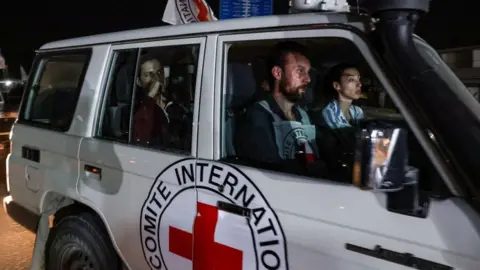
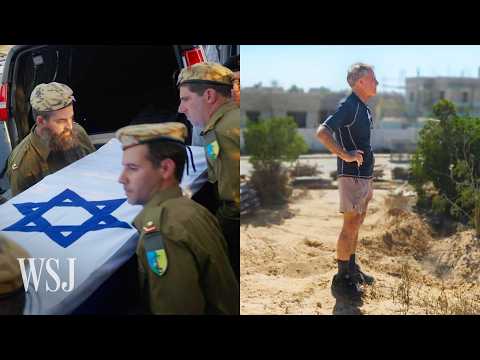
Ran Gvili's remains were recovered on January 26, 2026, ending the hostage crisis. Phase Two of Trump's peace plan fell apart by April: Hamas rejected the Board of Peace's disarmament proposal, and the Palestinian technocratic committee (NCAG) has no presence in Gaza. The Board of Peace has pledged $17 billion for reconstruction but has not disbursed a single dollar from its World Bank account.
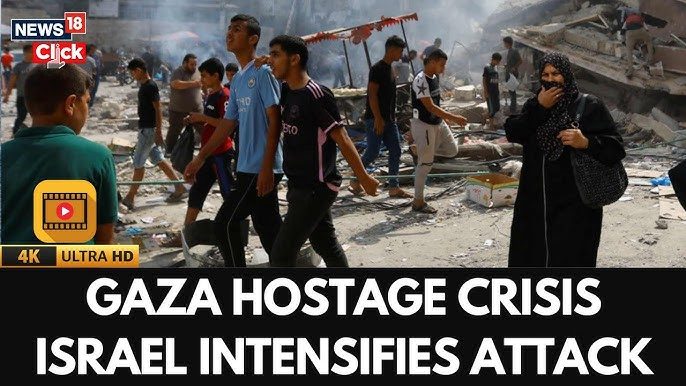
Israel launched an expanded ground offensive in Gaza City in May 2026, mobilizing 60,000 reservists, and killed two successive Hamas military chiefs within 11 days. On May 29, Netanyahu directed the IDF to control 70% of Gaza—a new boundary that goes well beyond the October 2025 ceasefire limits. Egypt rushed a Hamas delegation to Cairo on May 30 in a last-ditch push to salvage negotiations.
Why it matters
Gaza's peace plan is collapsing: Israel has launched a new ground war, Hamas is still armed, and 2 million Palestinians remain without stable governance.
Questions about this story
Free account needed to ask — your question is kept and asked for you right after sign-up. Answers are public.
No questions yet — be the first to ask.
Key Indicators
251
Hostages Taken
Total people abducted to Gaza on October 7, 2023
251
All Returned
168 alive, 83 remains recovered—all hostages accounted for
843
Days in Crisis
From October 7, 2023 to Gvili's recovery on January 26, 2026
1,000+
Killed Since Ceasefire
Palestinians killed by Israeli fire since October 10, 2025; total war dead exceeds 75,800
Closed
Rafah Status
Closed since March 1 when Israel joined US strikes on Iran; 22,000 medical evacuees still awaiting passage
70%
Gaza Control Ordered
Netanyahu directed the IDF on May 29 to control 70% of Gaza, far beyond the ceasefire's 53% limit. Current IDF control is approximately 60-64%.
Images from Openverse under Creative Commons licenses.
Videos from YouTube.
Voices
Curated perspectives — historical figures and your fellow readers.
Oscar Wilde
(1854-1900) ·Victorian · wit
Fictional AI pastiche — not real quote.
"How curious that in an age of such technological marvels, we still insist upon burying our mistakes in cemeteries rather than in history books—though I suppose the latter would require us to read them, and that has always been asking rather too much of those who make policy."
100% found this insightful
Ever wondered what historical figures would say about today's headlines?
Sign up to generate historical perspectives on this story.
37 events
Latest: May 29th, 2026 · 4 months ago
Showing 8 of 37
JK to step
Tap a bar to jump to that date
Jump to
May 2026
Netanyahu Orders IDF to Control 70% of Gaza
LatestMilitary
Netanyahu directed the IDF to expand control to 70% of Gaza, introducing a new 'orange line' that adds approximately 34 square kilometers to Israeli security zones. The directive exceeds the October 2025 ceasefire boundaries, which capped Israeli control at 53%.
Board of Peace Has Disbursed No Aid Despite $17 Billion in Pledges
Diplomatic
Reports revealed the Board of Peace's World Bank account holds zero disbursed funds. The $17 billion pledged at the February 2026 inaugural summit remains in a JPMorgan account without transparent oversight mechanisms.
Board of Peace Envoy: Ceasefire Hinges on Hamas Disarmament
Political
Nickolay Mladenov states publicly that Hamas must disarm—not disappear from Gaza—for the ceasefire to hold. The Board of Peace indicated it would not enforce ceasefire terms against Israel if Hamas continued to refuse.
IDF Launches Expanded Ground Offensive in Gaza City
Military
Two IDF divisions begin expanded ground operations in Gaza City as Israel mobilizes 60,000 reservists. Defense Minister Katz declares 'Gaza is burning.' Thousands of residents flee as strikes hit residential areas.
April 2026
Bennett and Lapid Form Joint Opposition Party Ahead of October Elections
Political
Former Prime Minister Naftali Bennett and centrist Yair Lapid announce Beyachad (Together), a joint party to challenge Netanyahu in Israel's October 2026 elections. Polls show Netanyahu's Likud ahead but his coalition losing ground.
Hamas Formally Rejects Board of Peace Disarmament Plan
Political
Hamas misses the Board of Peace's April 14 deadline and rejects the phased plan, which required surrendering heavy weapons and tunnel maps within three months. Hamas proposed a three-year alternative timeline and demanded full Israeli withdrawal first.
US-Iran Ceasefire Reached After 39-Day War
Diplomatic
The US and Iran agree to a ceasefire on day 39 of the conflict. Iran agrees to reopen the Strait of Hormuz. The deal does not formally cover Israel's operations in Gaza or Lebanon.
March 2026
Israel Closes Rafah Crossing as Iran War Begins
Humanitarian
Israel shuts the Rafah crossing after joining US military strikes on Iran, declaring it unsafe to keep open. Medical evacuations halt as the 39-day US-Israel-Iran conflict begins.
February 2026
Board of Peace Inaugural Meeting Pledges $17 Billion
Diplomatic
Forty countries attend the first Board of Peace summit in Washington, DC. The US pledges $10 billion; nine other nations add $7 billion. Five countries—Indonesia, Morocco, Kazakhstan, Kosovo, and Albania—formally commit troops for the International Stabilization Force.
NCAG Slated to Enter Gaza via Rafah This Week
Political
US official and Arab diplomat report the 12-member National Committee for the Administration of Gaza (NCAG) plans to re-enter the Strip through newly reopened Rafah crossing later this week to assume civilian governance role.
25 Palestinians Return via Rafah Amid Severe Restrictions
Humanitarian
Returnees to Gaza report hours of Israeli interrogation, physical abuse, and confiscation of medications/toys/cellphones at Rafah; operations remain pedestrian-only with no goods permitted.
Israeli Strikes Kill 24 Palestinians; 4 IDF Soldiers Dead Since Ceasefire
Military
Strikes across Gaza kill at least 24 including medic Hussein al-Semiry responding to prior attack; Israel reports responding to militant activity injuring officer, notes four soldiers killed since ceasefire began.
Rafah Crossing Reopens with Limited Operations
Humanitarian
Despite promises of 50 daily evacuations, only 5 Palestinian patients (with 10 relatives) exit Gaza on first day. About 22,000 people need medical evacuation. 150 Egyptian hospitals ready to receive patients. NCAG members remain unable to enter despite Israeli approval.
Eight Muslim States Condemn Ceasefire Violations
Diplomatic
Foreign ministers of UAE, Turkey, Egypt, Jordan, Indonesia, Pakistan, Saudi Arabia, and Qatar issue joint statement strongly condemning Israel's repeated violations, warning actions 'risk escalating tensions and undermining efforts aimed at consolidating calm.'
NCAG and Board of Peace Condemn Ceasefire Violations
Political
Ali Shaath issues statement: 'The loss of life in Gaza over the past few days is excruciating.' Board of Peace Gaza envoy Nickolay Mladenov expresses deep concern over both Hamas tunnel emergence and Israeli strikes killing civilians.
January 2026
Israel Announces Rafah Crossing Reopening for January 30
Humanitarian
COGAT confirms Rafah will reopen Sunday for limited pedestrian passage: 50 medical evacuees permitted to exit, 50 returnees to enter. All movements require prior Israeli security clearance and EU mission supervision. Opening follows Netanyahu's pledge after Gvili recovery.
Netanyahu Addresses Knesset: 'No More Hostages in Gaza'
Political
Prime Minister delivers historic speech declaring hostage crisis over, recites Shehecheyanu prayer of thanksgiving, and emphasizes Phase 2 priority is Hamas disarmament, not reconstruction.
Israel Announces Limited Rafah Reopening for Pedestrians Only
Humanitarian
Netanyahu's office announces Rafah crossing will reopen for pedestrian passage only, with full Israeli inspection. Humanitarian groups note this will not enable movement of aid supplies.
Israel Launches Large-Scale Gvili Recovery Operation
Military
IDF deploys Alexandroni Brigade, rabbis, and dental experts to search cemetery in northern Gaza. Netanyahu pledges to open Rafah crossing upon completion.
Gvili's Remains Identified in Al-Batesh Cemetery
Recovery
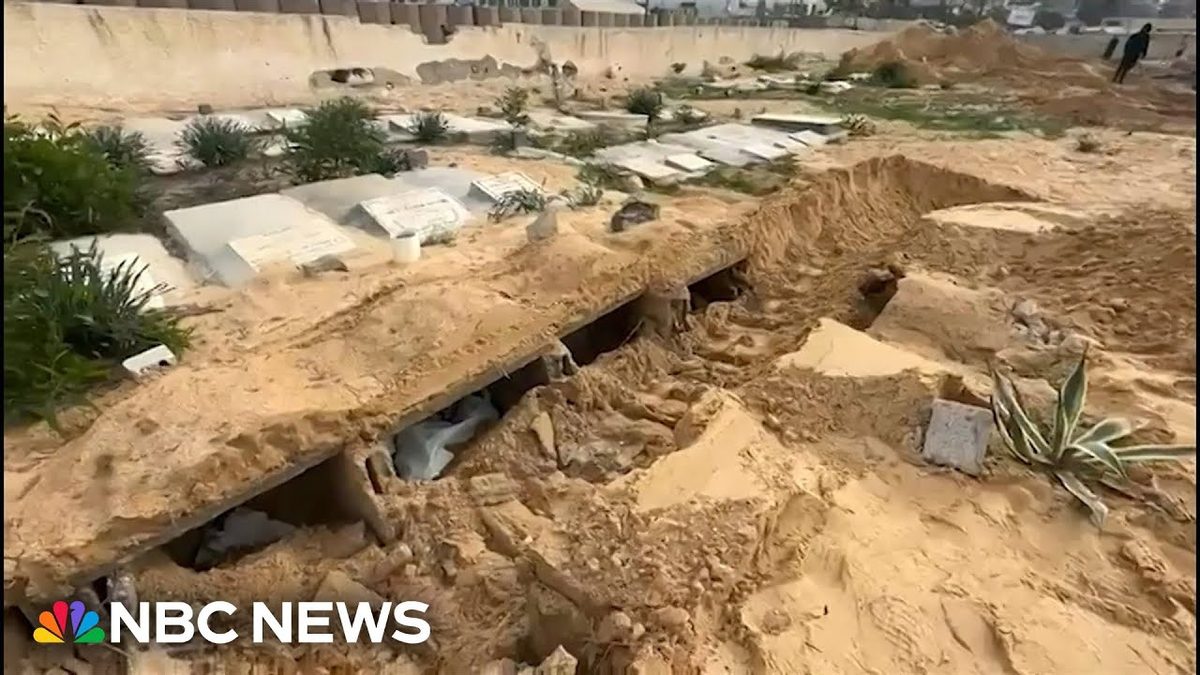
After searching 250 bodies, IDF and 20 dentists identify Gvili's remains in northern Gaza cemetery. Intelligence breakthrough came from captured Islamic Jihad terrorist interrogated by Shin Bet one month earlier.
Israel Blocks NCAG Members from Entering Gaza
Political
Despite NCAG formation and international support, Israel prevents committee members from entering Gaza for unclear reasons, complicating Phase 2 implementation.
White House Announces Board of Peace Formation
Diplomatic
Trump administration formally announces Board of Peace with Trump as chair, Marco Rubio, Steve Witkoff, Jared Kushner, and Tony Blair on executive board. Major General Jasper Jeffers named ISF commander.
Hamas and PA Welcome NCAG Formation
Political
Hamas senior leader Bassem Naim calls NCAG 'a step in the right direction.' Palestinian Authority, Egypt, Qatar, and Turkey also welcome the committee. Ali Shaath states NCAG will integrate with PA under 'one homeland, one system' framework.
Phase 2 Begins; NCAG Formed
Diplomatic
Witkoff announces Phase 2 launch. Ali Shaath named chair of 15-member National Committee for the Administration of Gaza.
December 2025
Second-to-Last Hostage Remains Recovered
Recovery
Remains recovered in early December leave Ran Gvili as the only hostage still held in Gaza.
November 2025
UN Authorizes International Stabilization Force
Diplomatic
Security Council Resolution 2803 passes 13-0-2, authorizing a 20,000-troop force and Board of Peace to oversee Gaza reconstruction.
October 2025
All Living Hostages Released
Hostage Release
Hamas releases the final 20 living hostages. Israel releases 2,000 Palestinian prisoners including 250 serving life sentences.
Ceasefire Takes Effect
Diplomatic
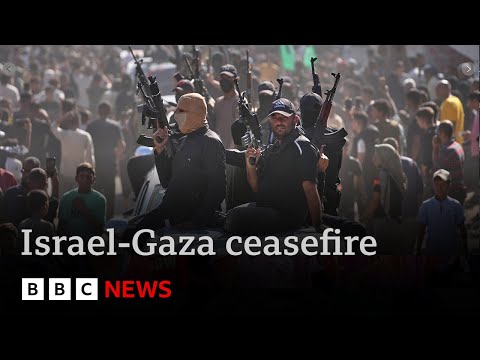
Phase 1 of Trump's peace plan begins. IDF withdraws most forces from Gaza. Hamas has 72 hours to release living hostages.
Hamas Accepts Peace Plan Terms
Diplomatic
Hamas agrees to release remaining hostages and hand Gaza administration to independent technocrats, though it does not agree to disarm.
September 2025
Trump Announces 20-Point Gaza Peace Plan
Diplomatic
President Trump unveils comprehensive plan at White House, giving Hamas until October 5 to accept. Plan includes full hostage release and transitional governance.
January 2025
Oron Shaul's Remains Recovered
Military
IDF recovers the body of Oron Shaul, a soldier held by Hamas since 2014, in a joint operation with Shin Bet.
June 2024
Four Hostages Rescued from Nuseirat
Military
IDF special forces rescue four hostages from Nuseirat refugee camp. Gaza Health Ministry reports over 200 Palestinians killed in the operation.
May 2024
Israel Seizes Rafah Crossing
Military
IDF takes control of Gaza's only border crossing with Egypt, effectively severing the territory's main humanitarian supply route.
January 2024
IDF Confirms Gvili's Death
Investigation
Israel Defense Forces announce that Ran Gvili was killed on October 7 and his body taken to Gaza. Family refuses to accept closure without his remains.
November 2023
First Ceasefire Releases 105 Hostages
Diplomatic
A week-long ceasefire ends with 105 civilian hostages released in exchange for 150 Palestinian prisoners.
October 2023
Israel Begins Gaza Ground Invasion
Military
IDF launches ground operations in Gaza, beginning 27-month military campaign that will displace nearly all 2.2 million residents.
Hamas Attack and Mass Hostage-Taking
Inciting Incident
Hamas-led attack kills 1,195 Israelis; 251 people are abducted to Gaza. Ran Gvili, despite a broken shoulder, fights at Kibbutz Alumim, rescues 100 people, and is killed.
Scenarios
1
Gvili Recovered, Rafah Opens, Phase 2 Proceeds
Likely
Discussed by: NPR, Times of Israel, Trump administration officials
Israeli forces locate Gvili's remains within days. Netanyahu follows through on pledge to open Rafah crossing. Humanitarian aid flow increases substantially. The International Stabilization Force deploys initial contingents, and the NCAG begins visible governance activities. This scenario represents the intended path of Trump's peace plan and would mark the first time since October 2023 that no Israeli hostages or remains are held in Gaza.
Discussed by: Al Jazeera, Haaretz, Israeli opposition analysts
Recovery operation extends beyond days into weeks without success. Netanyahu cites incomplete mission to keep Rafah crossing closed. Hamas and Israel continue mutual accusations of obstruction. Humanitarian conditions deteriorate further. Far-right coalition partners like Itamar Ben Gvir use delay to argue against Phase 2 implementation. Trump administration faces choice between pressuring Israel or accepting indefinite stall.
3
Coalition Fractures Over Gaza Concessions
Possible
Discussed by: Chatham House, Times of Israel political analysts
Even with Gvili recovered, far-right ministers Smotrich and Ben Gvir follow through on threats to quit over Phase 2 implementation, particularly the return of Palestinian Authority-linked administrators and international force deployment. With elections likely in October 2026, Netanyahu faces choice between maintaining coalition and honoring Trump commitments. Government could fall, triggering early elections and uncertain future for peace plan.
4
Gvili Case Becomes Another Ron Arad
Unlikely
Discussed by: Israeli hostage family advocates, Tami Arad (widow of Ron Arad)
Despite intensive searches, Gvili's remains are never definitively located or identified. Years pass without closure, echoing the case of Ron Arad, the Israeli pilot captured in Lebanon in 1986 whose fate was never confirmed and body never recovered. The Gvili family continues advocacy while the broader conflict moves on. This outcome would represent a failure of the hostage recovery that defined Israel's stated war objectives.
5
ISF Deployment Stalls Due to Lack of Troop Commitments
Possible
Discussed by: Times of Israel, INSS analysts
Despite authorization for a 20,000-troop force, countries that expressed interest—including Azerbaijan, Indonesia, Egypt, Qatar, and UAE—have failed to formalize commitments. Without sufficient forces, the ISF cannot deploy to secure Gaza or train Palestinian police. This leaves a security vacuum that could enable Hamas to retain de facto control despite agreeing to cede governance. The Board of Peace may need to significantly reduce force size or delay deployment indefinitely.
Discussed by: Al Jazeera, humanitarian organizations, UN officials
Netanyahu's pedestrian-only reopening of Rafah fails to address Gaza's dire humanitarian needs. Tonnes of desperately-needed supplies remain stranded in Egyptian warehouses with no mechanism to transport them. Malnutrition and disease rates continue climbing among Gaza's 2.2 million displaced residents. International pressure mounts on Israel to fully reopen the crossing for commercial and aid vehicles, potentially creating another flashpoint in ceasefire implementation.
7
Ceasefire Collapses, Full-Scale War Resumes
Possible
Discussed by: UN Deputy Special Coordinator, Chatham House analysts
Mounting ceasefire violations by both sides—Hamas tunnel operations and Israeli retaliatory strikes killing civilians—spiral into renewed full-scale conflict. With 520+ Palestinians already killed since October ceasefire and no progress on Hamas disarmament, either side could abandon the agreement. Israel has drawn up plans for another ground operation if Hamas does not disarm by March. This would nullify Phase 2, collapse the Board of Peace framework, and resume the devastating war.
8
Rafah Becomes Symbolic Failure of Phase 2
Likely
Discussed by: Gaza Government Media Office, humanitarian organizations
Rafah's pedestrian-only reopening proves insufficient even for its limited mandate. The gap between promised 50 daily evacuations and actual performance (5 on first day) exemplifies broader Phase 2 dysfunction. With 22,000 needing medical care and aid still blocked, the crossing becomes symbol of failed implementation. International pressure mounts, but Netanyahu resists full reopening citing security concerns.
Discussed by: Israeli defense officials, Times of Israel analysts
Israel's killing of al-Haddad (May 15) and Odeh (May 26) combined with the ground offensive destroys Hamas's military command capacity. Without capable leadership, remaining commanders accept Board of Peace disarmament terms to preserve the political wing. This is Israel's stated objective.
10
Phase Two Formally Abandoned, Gaza Peace Plan Collapses
Possible
Resolves by End of 2026
Discussed by: Arab Center DC, Chatham House analysts
With Israel conducting a ground offensive, Hamas refusing to disarm, and the NCAG absent from Gaza, the Board of Peace declares Phase Two unworkable. The US withdraws political backing. The peace plan collapses without a successor framework, and Gaza governance reverts to Hamas by default.
Historical Context
3 moments from history that rhyme with this story — and how they unfolded.
1 of 3
June 2006 – October 2011
Gilad Shalit Prisoner Exchange (2011)
Hamas captured IDF soldier Gilad Shalit in a cross-border raid and held him for five years. Israel ultimately exchanged 1,027 Palestinian prisoners—including 280 serving life sentences for attacks on Israeli civilians—for his release. Among those freed was Yahya Sinwar, who later led Hamas.
Then
Shalit returned alive, the first captured Israeli soldier released in 26 years. The exchange established an unprecedented price for a single captive.
Now
Dozens of released prisoners resumed militant activity. Sinwar rose to lead Hamas and reportedly saw hostage-taking's success as motivation for the October 7, 2023 attack.
Why this matters now
The Shalit deal set the framework for Israeli hostage negotiations with Hamas. The October 2025 exchange—2,000 prisoners for 20 living hostages—followed the same asymmetric pattern. The Gvili case tests whether Israel will accept incomplete recovery or continue operations indefinitely.
2 of 3
October 1986 – Present
Ron Arad Disappearance (1986)
Israeli Air Force navigator Ron Arad ejected over Lebanon and was captured by Amal militia, then transferred to Hezbollah. Despite proof-of-life photos in 1987, secret negotiations, and Israeli commando operations to kidnap Hezbollah operatives for leverage, Arad's fate was never confirmed. A 2016 investigation concluded he died in 1988.
Then
Years of negotiations produced no results. Israel conducted multiple intelligence operations to gain information.
Now
Arad became a symbol of unresolved loss. His case informed Israeli policy on never leaving soldiers behind—and the trauma of failing to recover them.
Why this matters now
Arad's widow has warned current hostage families that cases can fade from public attention while remaining unresolved for decades. The Gvili recovery operation represents Israel's effort to avoid repeating this outcome with the final October 7 hostage.
3 of 3
November 22–30, 2023
November 2023 Gaza Ceasefire
The first pause in fighting after October 7 lasted seven days. Hamas released 105 civilian hostages—including 81 Israelis, 23 Thai nationals, and one Filipino—in exchange for 150 Palestinian prisoners. The ceasefire collapsed after disputes over extending the exchange.
Then
Freed hostages provided intelligence on captivity conditions. Fighting resumed more intensely afterward.
Now
Established that large-scale hostage exchanges were possible but fragile. Set precedent for October 2025 deal.
Why this matters now
The 2023 ceasefire showed Hamas would release civilian hostages but negotiations remained difficult. The October 2025 deal built on this foundation, ultimately releasing all living hostages. The Gvili case represents the final piece—recovery of remains rather than living captives.