



Pull to refresh
Logo
German town of Heidenau votes to ban new Holocaust 'stumbling stones'

German town of Heidenau votes to ban new Holocaust 'stumbling stones'

Rule Changes

CDU and AfD councilors joined forces to shift Heidenau's Holocaust remembrance from streets to cemetery, drawing national backlash

Today: National backlash erupts

Overview

Updated 1 hour ago

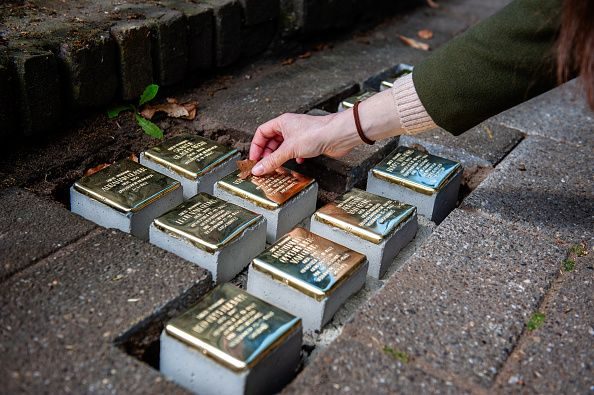
Heidenau's town council voted 13-6 this week to reject new Stolpersteine, the brass plaques set into German sidewalks to name victims of Nazi persecution. The motion, co-submitted by the far-right AfD and the center-right CDU, directs future remembrance to the town's Nordfriedhof cemetery instead of its streets.

The ban blocks seven pending applications in a town that already has five stones. Federal education minister Karin Prien, a CDU politician, called the move a scandal and said her own party in Saxony bore responsibility.

Why it matters

If the ban spreads, Germany's staple of Holocaust remembrance—plaques at victims' front doors—could be pushed out of public streets.

Questions about this story

Free account needed to ask — your question is kept and asked for you right after sign-up. Answers are public.

No questions yet — be the first to ask.

Key Indicators

13
Council votes for the ban
13 of 20 Heidenau councilors backed the motion in a secret ballot; 6 opposed and 1 abstained.
5
Stolpersteine already in Heidenau
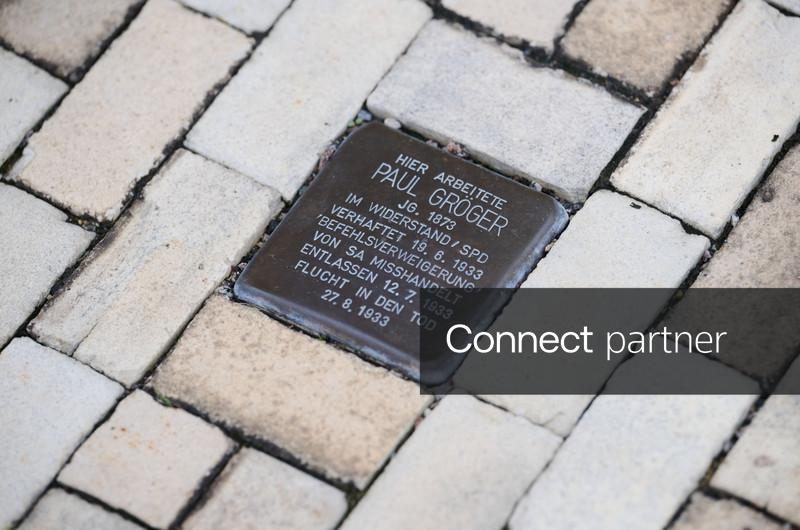
The first stone, for the town's first mayor Paul Gröger, was installed in 2021.
7
Pending memorial applications blocked
Seven proposed stones, including two for Fritz and Martha Goldstein, are now rejected.

Voices

Curated perspectives — historical figures and your fellow readers.

Ever wondered what historical figures would say about today's headlines?

Sign up to generate historical perspectives on this story.

People Involved

Organizations Involved

Timeline

January 1992 September 2026

5 events Latest: Today
Tap a bar to jump to that date
  1. National backlash erupts

    Today Statement

    Federal education minister Karin Prien calls the ban a scandal; Israel's ambassador and Jewish groups voice alarm.

  2. Heidenau council bans new Stolpersteine

    Vote

    Heidenau council votes 13-6, with one abstention, to reject new Stolpersteine on public streets and shift remembrance to the Nordfriedhof cemetery.

  3. Goldstein memorial application filed

    Application

    Local activists request Stolpersteine for Fritz and Martha Goldstein, a Jewish couple persecuted by the Nazis.

  4. Heidenau installs its first stone

    Installation

    Heidenau installs its first Stolperstein for Paul Gröger, the town's first mayor, who died after imprisonment at Hohnstein concentration camp.

  5. Stolpersteine project launches

    Project launch

    Artist Gunter Demnig begins the Stolpersteine project, embedding brass plaques at Nazi victims' former homes.

Scenarios

1

Heidenau rescinds its Stolpersteine ban

Unlikely Resolves by End of 2026

Discussed by: Heidenau's city administration, which recommended council members reject the motion before the vote

National criticism mounts, and Heidenau's 20 councilors, facing pressure from Prien, Jewish groups and local activists, reopen the decision and vote to allow new stones or amend the cemetery-only policy.

2

Stolpersteine bans spread to other German towns

Possible Resolves by Sep 24, 2027

Discussed by: Gunter Demnig, who predicted such moves; German coverage noting Heidenau is not the first town to ban the stones

Buoyed by AfD gains in state elections and the national polling lead, other municipalities pass similar bans, making street-level Stolpersteine a partisan issue in Germany's remembrance debate.

3

Goldstein memorial lands at Heidenau cemetery

Possible Resolves by Q2 2027

Discussed by: Heidenau's own motion, which designates Nordfriedhof cemetery as the preferred site for remembrance

As a compromise, Fritz and Martha Goldstein are honored with a memorial at Nordfriedhof, the site the ban directs. The town's five existing Stolpersteine remain in place.

Historical Context

2 moments from history that rhyme with this story — and how they unfolded.

Ongoing

Munich refuses street-level Stolpersteine (ongoing)

Munich permits no Stolpersteine on municipal land, making it the most prominent German exception to the project. Charlotte Knobloch, who leads the city's Jewish community and is a Holocaust survivor, has said she is not a supporter of the stones. The city instead allows memorial plaques on public buildings.

Then

Munich has remained without street-level Stolpersteine while most of Germany embraced them.

Now

Munich shows a major city can maintain a ban, but it remains a persistent exception rather than a trend.

Why this matters now

Heidenau's motion seeks the same goal—keep memorials off pavements—but in a town that had already embraced the stones, effectively reversing course.

Early 1990s

Stolpersteine project begins (early 1990s)

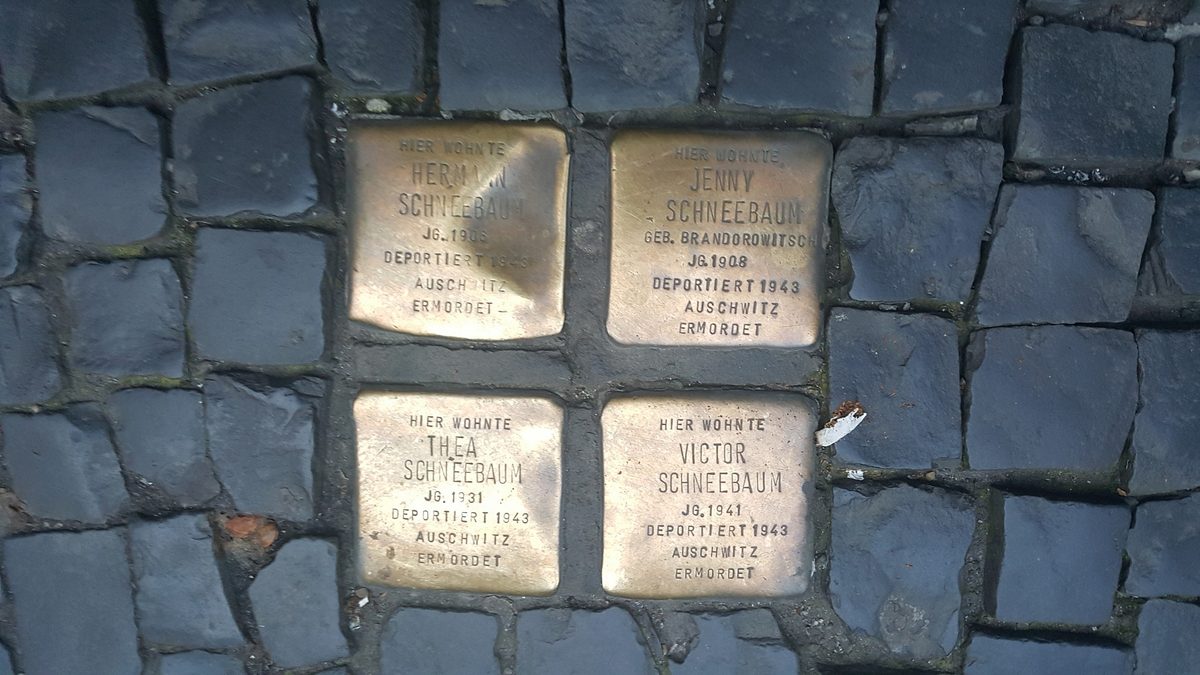
Artist Gunter Demnig began laying small brass plaques in the pavement outside the last homes of Nazi victims. The stones, set flush with the sidewalk, were designed to make passersby 'stumble' over a name and pause.

Then

The idea spread across many towns in Germany, Austria and other European countries, funded by donations and local initiatives.

Now

Stolpersteine became a standard of German remembrance culture, embedded in everyday streets rather than confined to memorial sites.

Why this matters now

Heidenau's ban breaks with the founding premise that remembrance belongs in living streets, not just dedicated spaces.

Sources

(10)