
Pull to refresh
Logo
Greater one-horned rhino population hits record high

Greater one-horned rhino population hits record high

Rule Changes

Conservation in India and Nepal brings the species back from under 100 to a record 4,075

Today: Global rhino population hits record 4,075

Overview

Updated 1 hour ago

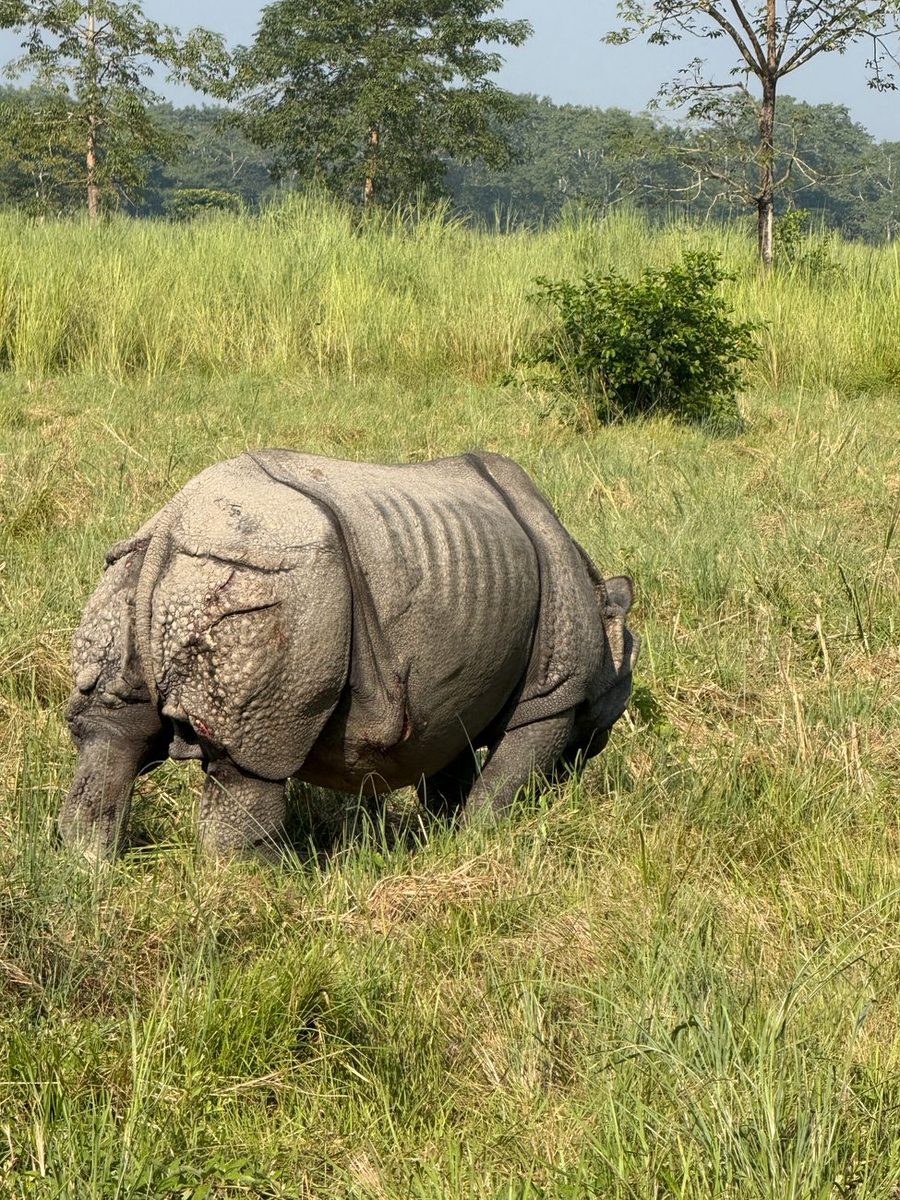
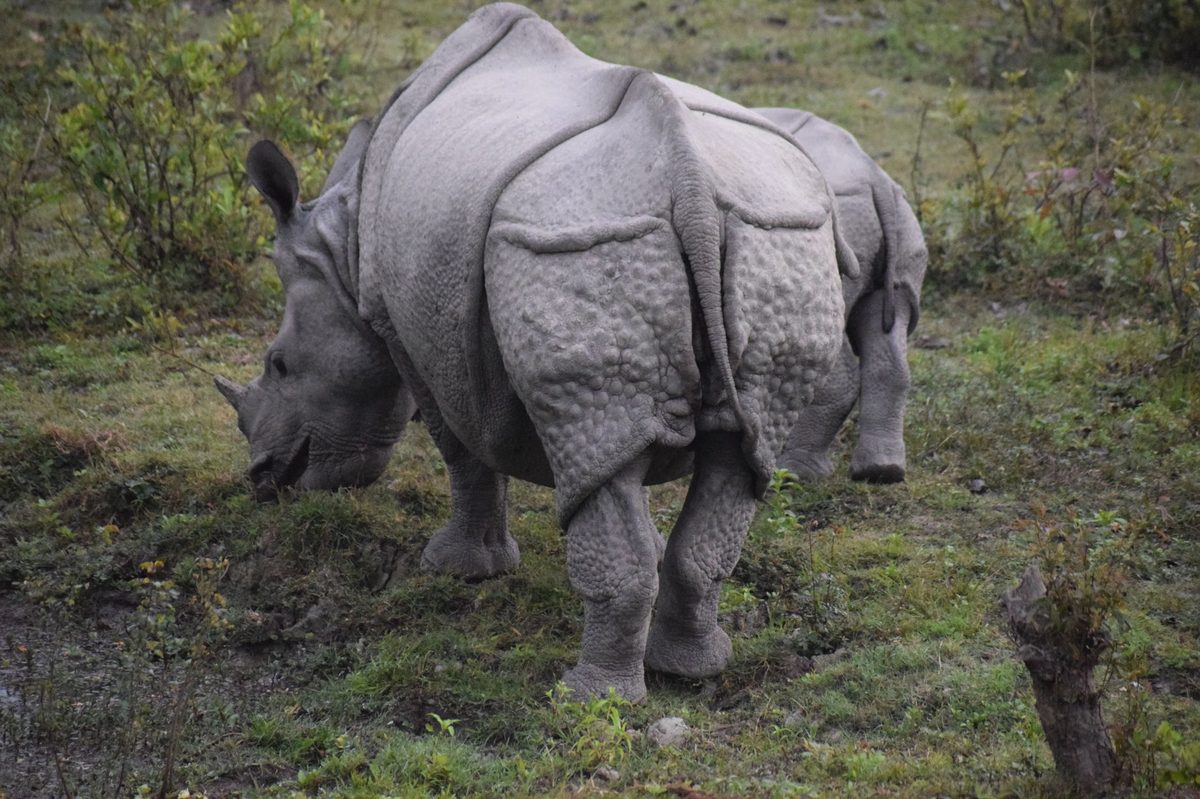
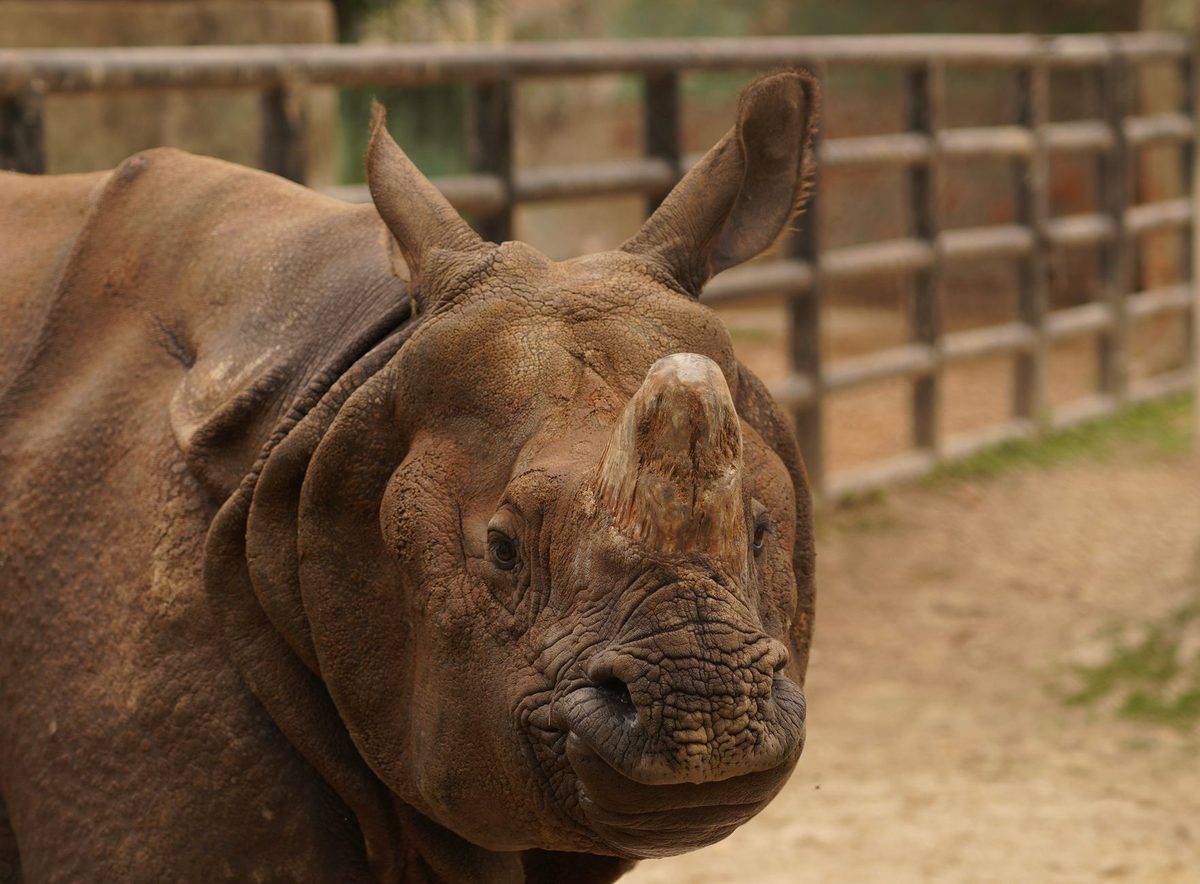
The greater one-horned rhino had fallen to fewer than 100 animals by the early 1900s. A census released this month counts 4,075 globally, a record high.

India holds 3,323 of the animals and Nepal 752. Assam shelters roughly 80% of the global population, with more than 2,600 rhinos in Kaziranga National Park alone. The recovery follows decades of protection and enforcement that drove poaching to zero in 2022 and again in 2025.

Why it matters

A documented near-extinction reversal shows protection works, and the challenge now shifts from anti-poaching to habitat security.

Questions about this story

Free account needed to ask — your question is kept and asked for you right after sign-up. Answers are public.

No questions yet — be the first to ask.

Key Indicators

4,075
Global population
Record high, up from 4,014 in 2022
3,323
Rhinos in India
Largest national share of the global population
80%
Share in Assam
Assam shelters roughly four-fifths of the species
0
Known poaching cases in Assam
Zero in 2022 and 2025, down from 27 per year in 2013-2014
2,600+
Rhinos in Kaziranga
World's largest single concentration of the species

Voices

Curated perspectives — historical figures and your fellow readers.

Ever wondered what historical figures would say about today's headlines?

Sign up to generate historical perspectives on this story.

People Involved

Organizations Involved

Timeline

June 1900 September 2026

10 events Latest: Today
Tap a bar to jump to that date
  1. Global rhino population hits record 4,075

    Today Milestone

    State of the Rhino 2026 report estimates record global population of 4,075.

  2. Four rhinos released into Dudhwa open core

    Conservation

    Uttar Pradesh releases four rhinos into Dudhwa Tiger Reserve open core; earlier releases produced calves.

  3. Zero poaching repeated in Assam

    Milestone

    The state again reports no known rhino poaching cases for the year.

  4. Zero poaching recorded in Assam

    Milestone

    Assam records no known rhino poaching for the first time since 1977.

  5. Assam burns nearly 2,500 seized rhino horns

    Policy

    Government burns confiscated horns to signal zero tolerance for the horn trade.

  6. Special anti-poaching task force formed

    Policy

    Assam creates a task force combining forest and police departments to coordinate against poaching.

  7. Drones approved for Kaziranga surveillance

    Policy

    Central government approves drone monitoring; poaching in Assam drops to six that year.

  8. Poaching peaks at 27 rhinos per year

    Crisis

    Poachers kill 27 rhinos in Assam in both 2013 and 2014, the worst years on record.

  9. Kaziranga reserve forest established

    Conservation

    Assam grants protected status to the area that becomes Kaziranga National Park.

  10. Population falls below 100

    Milestone

    Hunting and habitat loss reduce the species to fewer than 100 animals globally.

Scenarios

1

Rhino population tops 4,500 by next State of the Rhino report

Possible Resolves by End of 2028

Discussed by: International Rhino Foundation population trend and Assam Forest Department projections

The population has grown from 4,014 in 2022 to 4,075 in the 2026 State of the Rhino report. Continued anti-poaching success and protection could push the population past 4,500 in the next reporting cycle, expected around 2028. Growth depends on habitat holding capacity, particularly in Kaziranga's grasslands.

2

Poaching resurges above five confirmed killings in Assam in a single year

Unlikely Resolves by End of 2028

Discussed by: Conservation analysts noting persistent international horn demand

Poaching in Assam fell from 27 per year in 2013-2014 to near zero by 2022, driven by the special task force and drone surveillance. But horn demand persists in illegal markets. A resurgence above five confirmed killings in a year would indicate the enforcement model is under strain.

3

Assam announces formal grassland habitat expansion program

Possible Resolves by End of 2027

Discussed by: Dudhwa habitat management discussions and Kaziranga carrying-capacity analysis

Kaziranga's carrying capacity is finite. As the population grows, grassland management, invasive species control, and corridor restoration become binding constraints. A formal state program to expand or restore rhino habitat would mark the next phase of conservation. Dudhwa Tiger Reserve in Uttar Pradesh has already moved in this direction, expanding free-ranging rhino populations with breeding confirmed.

Historical Context

2 moments from history that rhyme with this story — and how they unfolded.

1973-present

Project Tiger in India (1973-present)

India launched Project Tiger in 1973 with nine reserves. Tiger numbers recovered from roughly 1,800 in the early 1970s to more than 3,600 according to the 2022 national census.

Then

Tiger numbers grew steadily through protected-area expansion and enforcement.

Now

India now holds the majority of the world's wild tigers, using the same forest-department enforcement model applied to rhinos.

Why this matters now

Same country, same conservation institutions, same flagship-species approach. The tiger recovery shows the template scales; the rhino recovery adds a second case.

1900s-2010s

Southern white rhino recovery (1900s-2010s)

The southern white rhino was hunted to fewer than 100 by the early 1900s. Protection in South Africa's Umfolozi and Hluhluwe reserves rebuilt the population to roughly 20,000 by the 2010s, one of the great conservation comebacks.

Then

The species was downgraded from endangered as populations grew across protected reserves in southern Africa.

Now

A poaching wave since 2008, driven by horn demand, cut numbers sharply, a reminder that recovery can be reversed.

Why this matters now

Same rhino family, same near-extinction arc rebuilt by protection, and the same vulnerability to renewed horn demand.

Sources

(11)