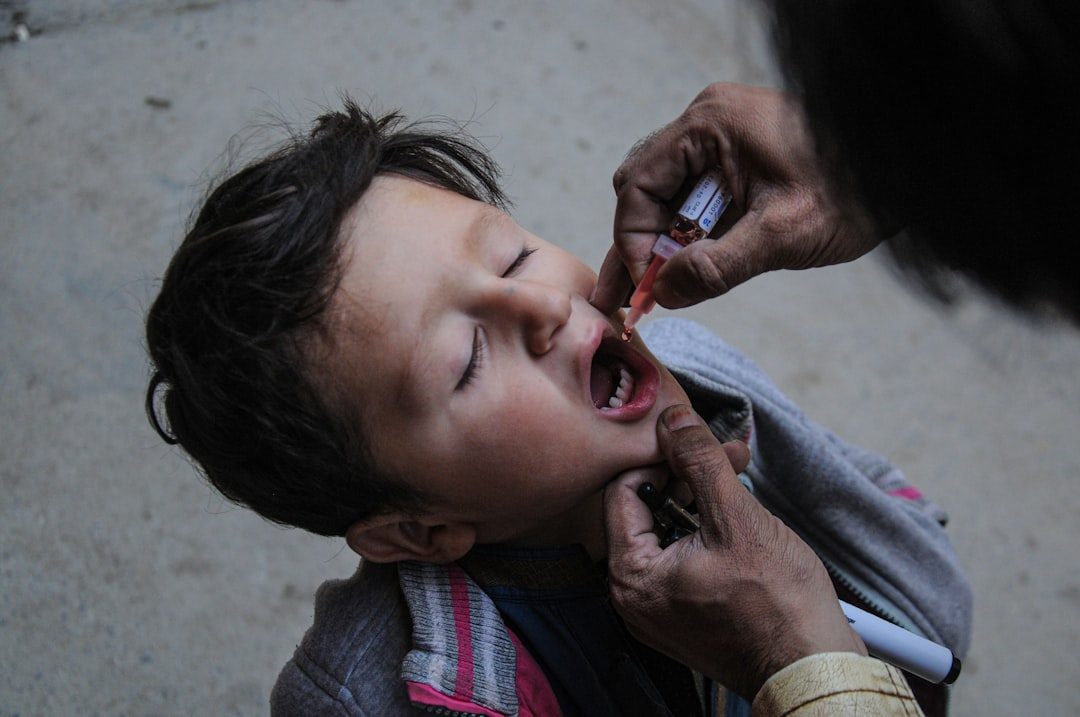
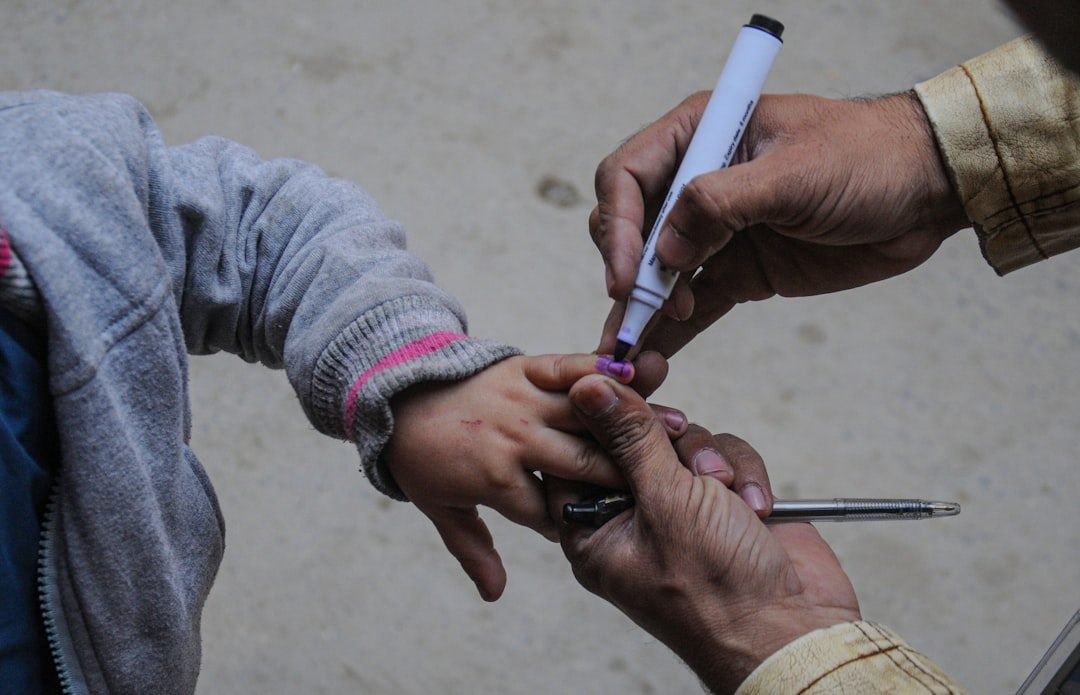
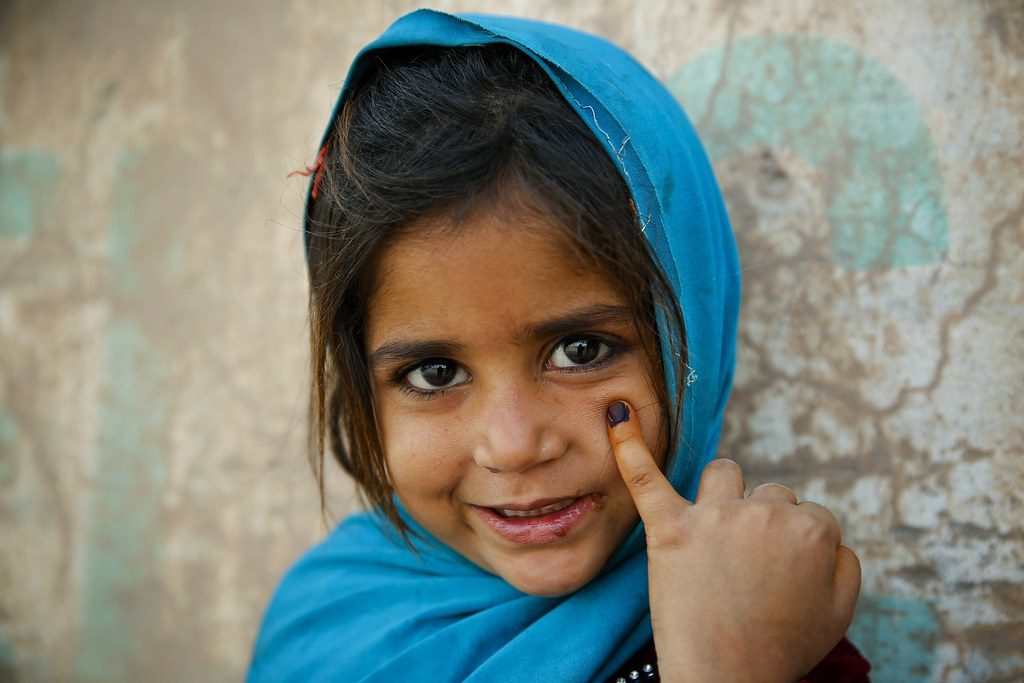
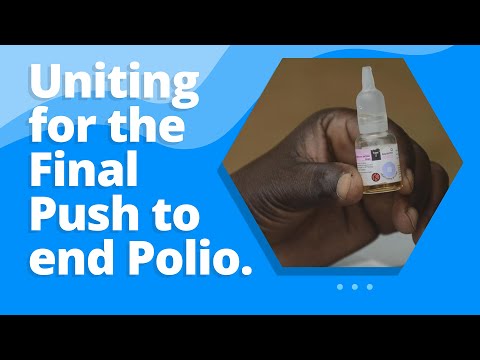
When the Global Polio Eradication Initiative launched in 1988, wild poliovirus paralyzed 350,000 children annually across 125 countries, but today it survives in only two: Pakistan and Afghanistan. Pakistan's nationwide vaccination campaign from February 2-8, 2026, reached 44.3 million of 45 million targeted children under five across 159 districts, achieving 98% coverage. Eliminating polio would make it only the second human pathogen ever eradicated, after smallpox.
The campaign concluded one week ago. Provincial totals: Punjab (22.9M), Sindh (10.5M), Khyber Pakhtunkhwa (7.13M), Balochistan (2.36M). About 1 million children weren't reached, with 53,000 refusals concentrated in Karachi.
Pakistan recorded 74 cases in 2024, 30 in 2025, and no new cases since September. The low-transmission season provides the best window to break transmission, though vaccine hesitancy and past militant attacks remain obstacles.
Questions about this story
Free account needed to ask — your question is kept and asked for you right after sign-up. Answers are public.
No questions yet — be the first to ask.
Key Indicators
99.9%
Reduction in polio cases since 1988
From 350,000 annual cases to under 50 worldwide
44.3M
Children vaccinated in Feb 2-8 campaign
98% coverage of 45M targeted across 159 districts; ~1M missed due to refusals
30
Polio cases in Pakistan in 2025
Down from 74 in 2024; no new cases since September 2025
2
Countries where wild polio remains endemic
Only Pakistan and Afghanistan still have ongoing transmission
53K
Refusals recorded
Concentrated in Karachi; ~1M children missed in total
Images from Openverse under Creative Commons licenses.
Videos from YouTube.
Voices
Curated perspectives — historical figures and your fellow readers.
Niccolo Machiavelli
(1469-1527) ·Renaissance · politics
Fictional AI pastiche — not real quote.
"The eradication of disease, like the conquest of territory, demands not merely good intentions but the willingness to enter dangerous ground where others fear to tread. Those 200 martyred health workers understood what princes often forget: that the greatest victories require men who will carry out necessary work in hostile lands, even when the populace mistakes their mercy for conspiracy. One might call it fortune that the virus now retreats—but I observe it is the persistence of the brave, not the prayers of the timid, that drives pestilence from its final strongholds."
100% found this insightful
Ever wondered what historical figures would say about today's headlines?
Sign up to generate historical perspectives on this story.
19 events
Latest: February 9th, 2026 · 8 months ago
Showing 8 of 19
JK to step
Tap a bar to jump to that date
Jump to
February 2026
Campaign Concludes: 44.3M Children Vaccinated
LatestCampaign
Pakistan's first 2026 polio drive ends with 44.3M children reached (Punjab 22.9M, Sindh 10.5M, KP 7.13M, Balochistan 2.36M); ~1M missed, 53K refusals mainly in Karachi. Synchronized with Afghanistan.
Final Day: Sindh Campaign Wraps Up
Campaign
Campaign concludes in most areas February 5, extended to February 8 in Sindh; preliminary data shows strong progress toward 45M target amid cross-border synchronization with Afghanistan.
38.9M Children Vaccinated in First Three Days
Campaign
Pakistan's polio drive reaches 38.9 million children after three days, with provincial breakdowns: Punjab (21M+), Sindh (8.61M+), KP (6.22M+), Balochistan (1.8M+). Campaign continues nationwide through February 8, synchronized with Afghanistan.
Day 2: 64% Coverage Achieved in Capital
Campaign
Islamabad reports 64% target reached on day 2 with 293,780 children vaccinated; provincial progress on track amid refusals handled on-site.
Pakistan Launches First 2026 Vaccination Campaign
Campaign
Over 400,000 health workers begin door-to-door vaccination across 159 districts, targeting 45 million children in the campaign running through February 8.
December 2025
Funders Pledge $1.9 Billion in Abu Dhabi
Funding
Gates Foundation, Rotary International, and Bloomberg Philanthropies commit major funding at Abu Dhabi summit, though a $440 million gap remains.
September 2025
Pakistan's Last Reported Case of 2025
Milestone
Pakistan's 30th and final polio case of 2025 is recorded. The country goes four months without new cases through year-end.
November 2024
Bombing Kills Nine Near Vaccination Drive
Security
An attack in Mastung, Balochistan kills nine people including five schoolchildren, targeting police guarding a polio vaccination drive.
September 2024
Taliban Suspends All Vaccination Campaigns
Setback
Afghanistan's Taliban government halts polio vaccination nationwide without explanation, days before a planned campaign was to begin.
August 2020
Africa Certified Wild Polio-Free
Milestone
WHO certifies Africa free of wild poliovirus, four years after the last case in Nigeria. Five of six WHO regions are now polio-free.
May 2018
Taliban Bans House-to-House Vaccination in Afghanistan
Policy
Taliban leadership prohibits door-to-door vaccination in areas under their control, leaving over one million children unreachable in southern Afghanistan.
2018
Pakistan Reaches Historic Low
Milestone
Only 8 polio cases recorded—the lowest in Pakistan's history. Eradication appears within reach.
March 2014
India Certified Polio-Free
Milestone
World Health Organization certifies India as wild polio-free after three years without a case, proving eradication is achievable even in the most challenging environments.
2014
Pakistan Cases Spike to 306
Setback
Pakistan records its highest case count since 2000, driven by militant opposition, vaccine hesitancy, and gaps in coverage in conflict areas.
2012
First Polio Workers Killed in Pakistan
Security
Militant attacks on polio vaccination teams begin in earnest. Over the following years, more than 200 workers and security personnel will be killed.
May 2011
CIA Fake Vaccination Operation Exposed
Incident
Revelation that the CIA used a fake hepatitis vaccination program to locate Osama bin Laden fuels vaccine hesitancy and militant opposition to polio campaigns in Pakistan.
January 2011
India Reports Last Polio Case
Milestone
A child in Howrah, West Bengal becomes India's last polio case. The country that once accounted for half the world's cases will be certified polio-free in 2014.
October 1994
Pakistan Launches Pulse Polio Program
Campaign
Pakistan begins systematic vaccination campaigns. The country accounts for about 60% of global polio cases at this time, with an estimated 20,000 annual cases.
May 1988
World Health Assembly Commits to Polio Eradication
Policy
Delegates from 166 member states pass resolution to eliminate polio globally. At the time, 350,000 children are paralyzed annually across 125 countries.
Scenarios
1
Pakistan, Afghanistan Achieve Zero Wild Polio Cases by End of 2026
Possible
Discussed by: WHO Emergency Committee, GPEI leadership, and the Gates Foundation have identified the 2026 low-transmission season as a critical window
Pakistan's four-month streak without new cases and Afghanistan's relatively low numbers create the best opportunity in years. If synchronized campaigns maintain high coverage in border corridors and the Taliban permits expanded vaccination access, both countries could reach zero transmission. This would trigger a three-year countdown to formal eradication certification.
2
Transmission Persists in Cross-Border Corridors
Likely
Discussed by: WHO surveillance experts and epidemiologists tracking the YB3A genetic clusters
The 2,640-kilometer Afghanistan-Pakistan border has persistent transmission corridors that have resisted elimination for years. Continued Taliban restrictions on house-to-house vaccination, combined with population displacement and vaccine refusals, allow the virus to survive in hard-to-reach communities. Cases remain in double digits annually, and the 2027 eradication target is pushed back again.
3
Funding Shortfall Forces Campaign Reductions
Possible
Discussed by: GPEI leadership and donor countries concerned about the $440 million funding gap
Despite the Abu Dhabi pledges, traditional government donors have cut development assistance by 30%. If the funding gap isn't closed, campaign frequency or geographic reach may be reduced. Surveillance weakens, missed children accumulate, and gains reverse—as happened when cases spiked from 8 in 2018 to 74 in 2024.
4
Polio Becomes Second Human Disease Eradicated
Uncertain
Discussed by: Global health historians and WHO certification bodies
Following the elimination of wild poliovirus, intensive campaigns successfully contain vaccine-derived variants by 2029. The Global Commission certifies polio as the second human disease eradicated after smallpox—a 41-year effort that prevented an estimated 20 million cases of paralysis and saved $27 billion in treatment costs. The polio infrastructure transitions to broader immunization and disease surveillance.
Historical Context
3 moments from history that rhyme with this story — and how they unfolded.
1 of 3
1967-1980
Smallpox Eradication (1980)
The World Health Organization launched an intensified eradication campaign in 1967, when smallpox killed 2 million people annually. Using a combination of mass vaccination and 'ring vaccination' (targeting contacts of infected individuals), the campaign reached the last natural case in Somalia in October 1977. The WHO declared smallpox eradicated in May 1980.
Then
Vaccination programs ended worldwide, saving an estimated $1 billion annually in vaccine and administration costs.
Now
Remains the only human disease ever eradicated. The success provided the template and confidence for the polio campaign, demonstrating that global coordination could eliminate a pathogen entirely.
Why this matters now
Polio eradication would make it only the second human disease eliminated, using many of the same strategies—mass vaccination, surveillance, and ring containment—developed during the smallpox campaign.
2 of 3
1994-2014
India's Polio-Free Certification (2014)
India once accounted for 60% of global polio cases. In 2009 alone, India reported 741 cases—nearly half the world total. Through campaigns that delivered 1 billion vaccine doses annually to 172 million children, combined with community mobilization to overcome vaccine hesitancy in Muslim communities, India achieved its last case in January 2011 and was certified polio-free in March 2014.
Then
The WHO South-East Asia Region was certified wild polio-free, eliminating a major reservoir.
Now
India's success proved that even the most challenging environments—with dense populations, poor sanitation, and vaccine resistance—could achieve eradication. It demonstrated the biological and technical feasibility of global elimination.
Why this matters now
India's path offers a template for Pakistan: intensive door-to-door campaigns, community engagement to address vaccine hesitancy, and sustained political commitment over decades.
3 of 3
1996-2020
Africa's Wild Polio-Free Certification (2020)
Nigeria was Africa's last endemic country, recording its final wild polio case in August 2016 in Borno State—an area where Boko Haram insurgency had blocked vaccination teams. Four years of sustained surveillance and vaccination, even in conflict zones, confirmed elimination. In August 2020, Africa became the fifth WHO region certified wild polio-free.
Then
Five of six WHO regions achieved wild polio-free status, leaving only the Eastern Mediterranean Region (containing Pakistan and Afghanistan) with endemic transmission.
Now
Demonstrated that eradication is achievable even amid active insurgency, but requires sustained effort for years after the last case to prevent resurgence.
Why this matters now
Africa's experience in Borno State—eliminating polio despite militant activity—offers lessons for Pakistan's conflict-affected areas in Khyber Pakhtunkhwa and Balochistan.