



Pull to refresh
Logo
ESA backs a commercial library of real-world GNSS jamming data

ESA backs a commercial library of real-world GNSS jamming data

New Capabilities

Testnor will license recordings from Norway's Jammertest exercise and replay them in labs, so receiver makers can test against authentic interference.

Overview

Updated 1 hour ago

Testing a GPS receiver against jamming usually means a clean lab signal or a permit to broadcast interference outdoors. An ESA-backed project aims to sell the real thing on a hard drive instead.

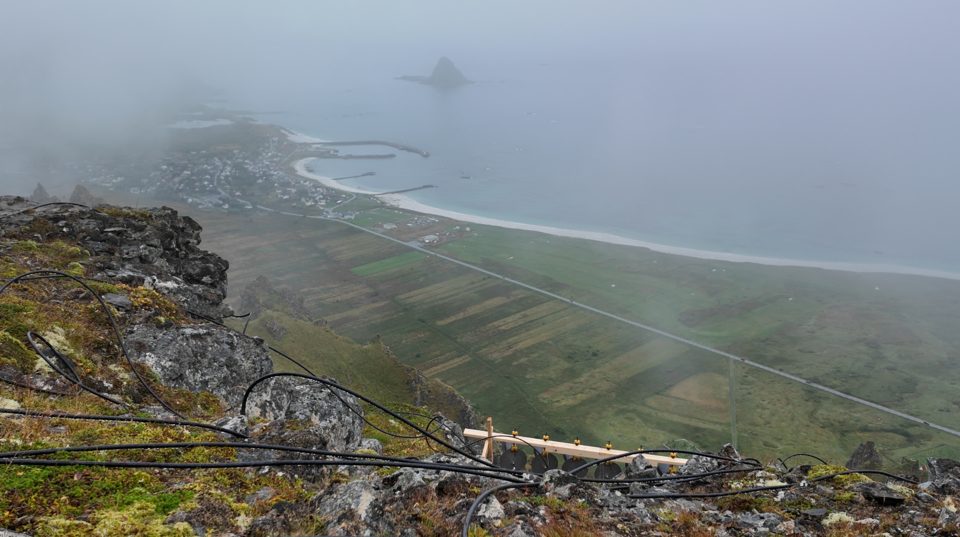
The European Space Agency signed a two-year contract with Tromsø-based Testnor to build a library of GNSS interference recordings and a radio-frequency replay service. The source material is Jammertest, Norway's annual open-air jamming exercise, which has recorded more than 100 terabytes of data.

Why it matters

If the library works, a chipmaker can test a receiver against real jamming without a government permit or a trip to the Arctic.

Questions about this story

Free account needed to ask — your question is kept and asked for you right after sign-up. Answers are public.

No questions yet — be the first to ask.

Key Indicators

24 months
Project duration
The NAVISP project is scheduled to run from September 2026 to September 2028.
7
Norwegian public authorities coordinating Jammertest
The exercise is run by a coalition of government agencies with Testnor as facilitator.
TRL 9
Target technology readiness level
ESA and Testnor aim for a fully operational commercial service, not a prototype.

Voices

Curated perspectives — historical figures and your fellow readers.

Sign up to generate historical perspectives on this story.

People Involved

Organizations Involved

Timeline

2021 November 2026

6 events Latest: Yesterday
Tap a bar to jump to that date
  1. Testnor data library announced

    Latest Announcement

    ESA announces the contract to build a GNSS interference recording and replay library.

  2. ESA signs Norwegian NAVISP contracts

    Contract

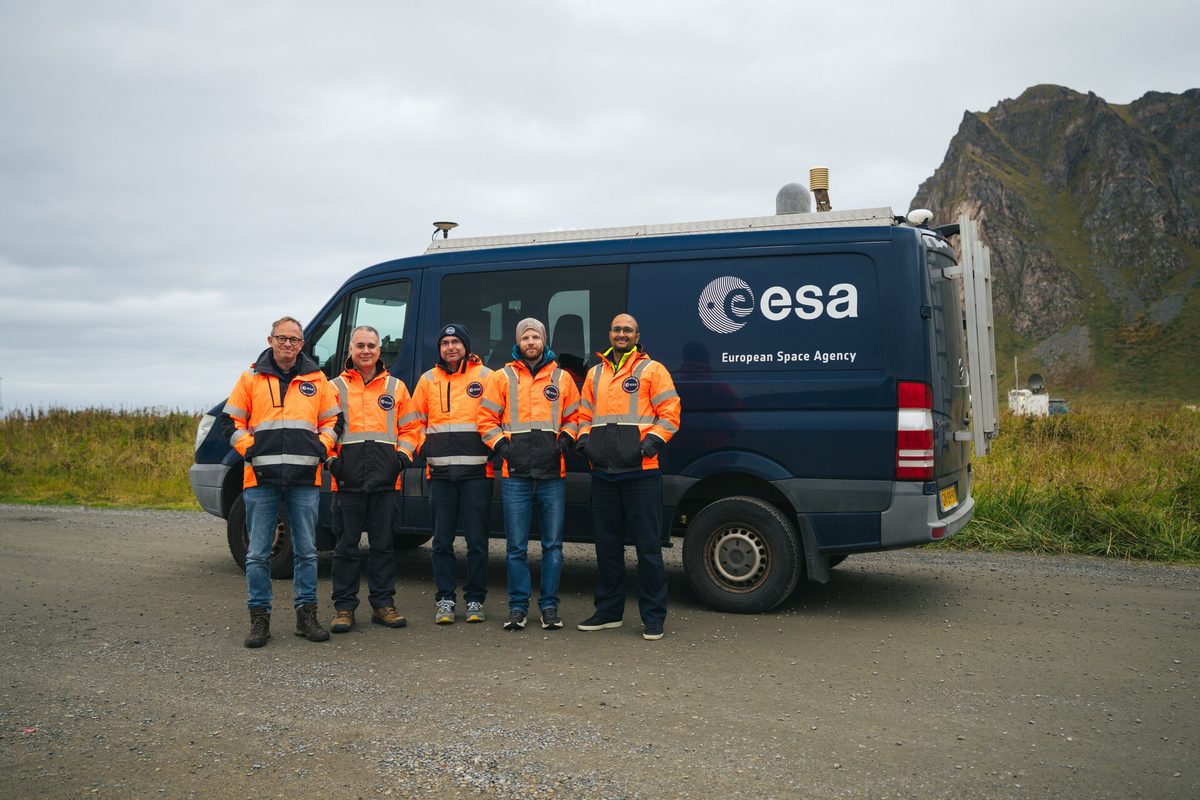
    ESA signs contracts with three Norwegian companies at Spaceport Norway in Oslo.

  3. NAVISP project 352 starts

    Project

    ESA's 24-month Testnor GNSS Interference Service project begins.

  4. Avinor joins Jammertest

    Partnership

    The airport operator becomes a partner in the exercise consortium.

  5. First full Jammertest week

    Test exercise

    A consortium stages a full week of GNSS interference testing around Bleik, Andøya.

  6. Jammertest pilot begins

    Test exercise

    The Norwegian Public Roads Administration and partners launch a pilot interference test bed.

Scenarios

1

Testnor opens a licensable GNSS interference library

Likely Resolves by Sep 1, 2028

Discussed by: ESA and Testnor project documents

The NAVISP project is structured to reach TRL 9 within 24 months. If it does, Testnor will run a public web platform selling recorded interference and lab replay time to receiver, chipset and antenna makers.

2

The project slips past its two-year window

Possible Resolves by Sep 1, 2028

Discussed by: ESA NAVISP project schedule

Hardware development, regulatory clearance and a commercial platform are three separate tasks. A delay in any one pushes the service past September 2028.

3

A major chipset vendor validates against the library

Uncertain Resolves by End of 2029

Discussed by: Testnor's stated target market

The commercial case rests on receiver and chipset makers using the recordings in design validation. A public endorsement from a named vendor would show the library is being adopted, not just licensed.

Historical Context

2 moments from history that rhyme with this story — and how they unfolded.

2021–2022

Jammertest pilot and first full exercise (2021–2022)

Norway's Public Roads Administration and a few authority partners ran a pilot interference test bed in 2021. In 2022, a consortium including the Defence Research Establishment, the Communications Authority and the Metrology Service staged a full week of GNSS jamming tests around Bleik on Andøya.

Then

The exercise drew participants from academia, industry and government.

Now

It became an annual event, described as the world's largest open GNSS interference test, and later added the Mapping Authority, the Space Agency and Avinor.

Why this matters now

Jammertest is the source of the recordings Testnor will license.

2001

US Department of Transportation report on GPS vulnerability (2001)

A US Department of Transportation report put focus on GNSS vulnerability to radio-frequency interference. At the time, GPS was already the primary positioning, navigation and timing source for many users.

Then

The report raised awareness of interference risk.

Now

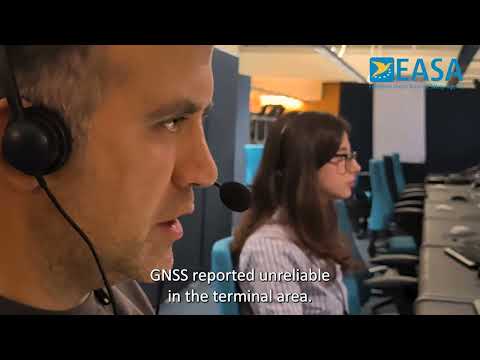
GNSS dependence grew, and interference moved from occasional nuisance to routine in aviation, highways and construction.

Why this matters now

It explains why demand for authentic interference test data exists.

Sources

(4)