




Pull to refresh
Logo
Daily Brief
Following
Why
Grammy Awards expand categories, embrace K-Pop at 68th ceremony

Grammy Awards expand categories, embrace K-Pop at 68th ceremony

Rule Changes
By Newzino Staff | |

Recording Academy revives Best Album Cover after 53 years, introduces randomized ballots; Kendrick Lamar makes history with 5 wins

February 2nd, 2026: 68th Grammy Winners Announced: Kendrick Makes History, Bad Bunny Wins AOTY

Overview

The 68th Grammy Awards, held February 1-2, 2026, at Crypto.com Arena in Los Angeles, introduced major structural changes including two new categories—Best Album Cover (revived after 53 years) and Best Traditional Country Album—bringing the total to 95, plus randomized ballots to reduce bias. Kendrick Lamar won five awards, including Record of the Year for 'Luther' (with SZA) and Best Rap Album for GNX, surpassing Jay-Z as the most-awarded rapper in Grammy history with 27 career wins.

Key Indicators

95
Total Grammy Categories
Two new categories debuted: Best Album Cover (first since 1973) and Best Traditional Country Album
27
Kendrick Lamar Career Wins
Won 5 at 68th Grammys including Record of the Year and Best Rap Album, surpassing Jay-Z's 25 to become most-awarded rapper
5
Kendrick Lamar 2026 Wins
From 9 nominations; GNX won Best Rap Album but lost Album of the Year to Bad Bunny
1
Spanish-Language AOTY Wins
Bad Bunny's Debí Tirar Más Fotos made history as first non-English Album of the Year
53
Years Since Best Album Cover
Category revived; winners included Wet Leg nominees per pre-ceremony coverage

Interactive

Exploring all sides of a story is often best achieved with Play.

Ever wondered what historical figures would say about today's headlines?

Sign up to generate historical perspectives on this story.

Sign Up

Debate Arena

Two rounds, two personas, one winner. You set the crossfire.

People Involved

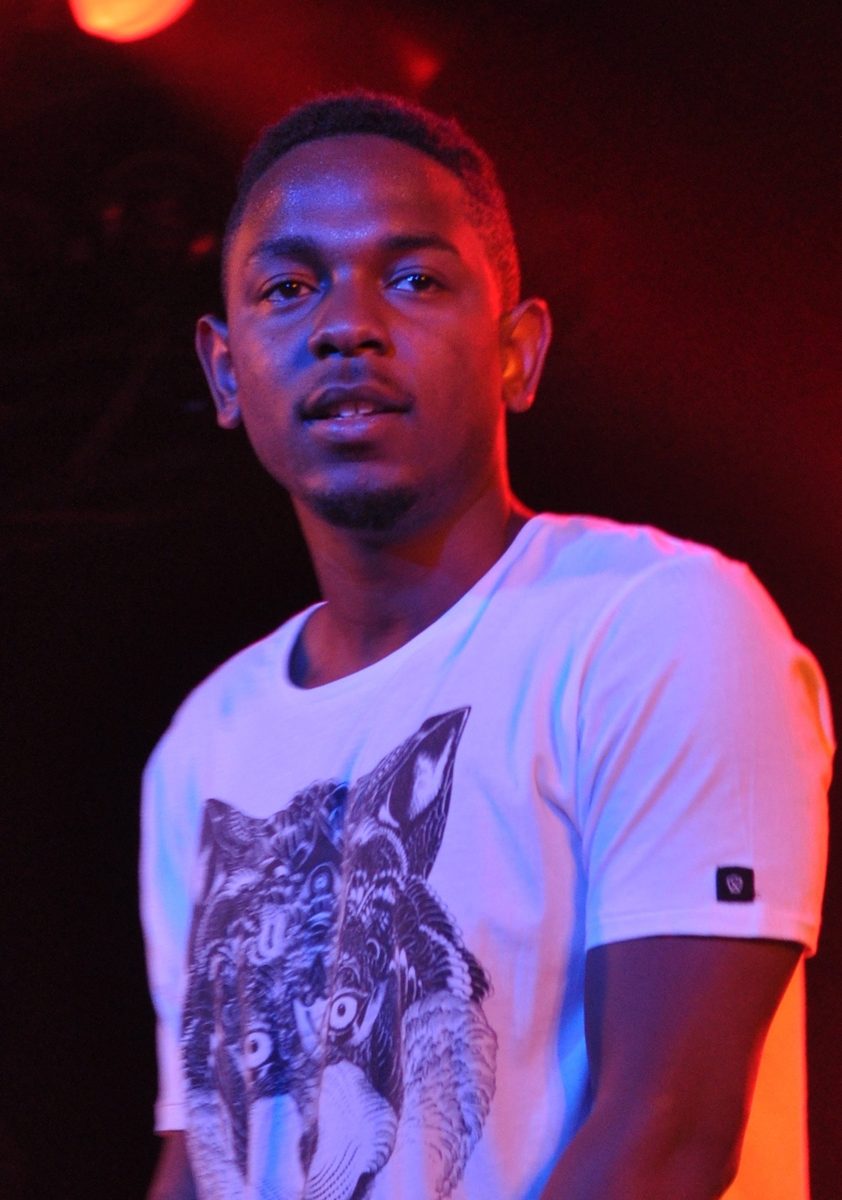
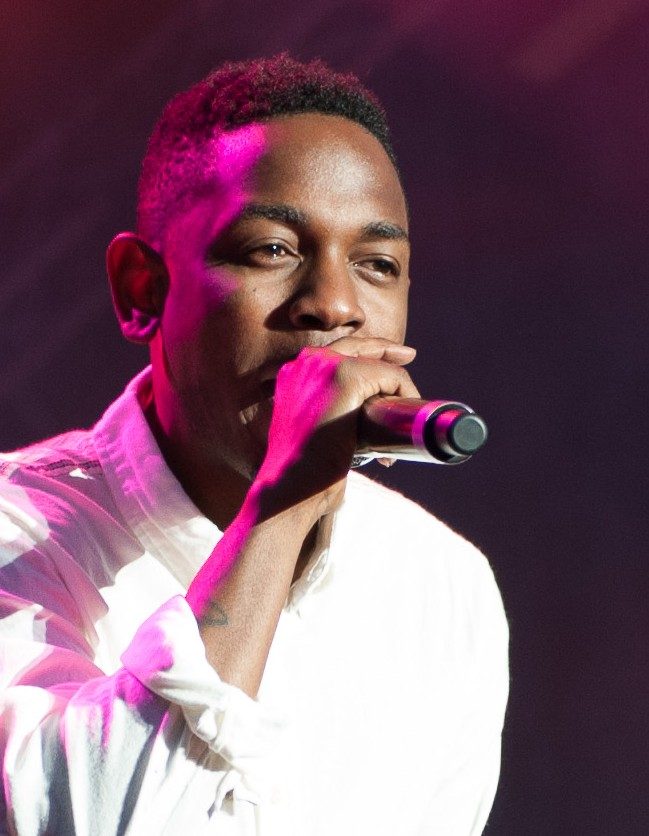
Kendrick Lamar
Kendrick Lamar
Recording Artist, Most-Awarded Rapper in Grammy History (27 Wins) (Won 5 Grammys at 68th ceremony including Record of the Year and Best Rap Album)
Rosé
Rosé
K-pop Solo Artist, BLACKPINK Member (First solo K-pop artist to perform at Grammys; 'APT.' with Bruno Mars nominated but did not win general field categories)
Trevor Noah
Trevor Noah
Grammy Host, Comedian (Hosted sixth and final Grammy ceremony for main telecast)
Ruby Marchand
Ruby Marchand
Chief Awards and Global Industry Officer, Recording Academy (Led implementation of randomized ballot reform)
Harvey Mason Jr.
Harvey Mason Jr.
Chief Executive Officer, Recording Academy (Overseeing category expansion and voting reforms)

Organizations Involved

Recording Academy
Recording Academy
Music Industry Organization
Status: Administered 68th Grammys with 95 categories, randomized ballots, and historic wins including first Spanish-language AOTY

The U.S.-based organization of music professionals that determines Grammy winners through peer voting.

Timeline

  1. 68th Grammy Winners Announced: Kendrick Makes History, Bad Bunny Wins AOTY

    Winners

    Kendrick Lamar won 5 awards including Record of the Year ('Luther' with SZA) and Best Rap Album (GNX), becoming the most-awarded rapper ever. Bad Bunny's Debí Tirar Más Fotos took Album of the Year as the first Spanish-language winner; Rosé/Bruno Mars 'APT.' nominated but did not win general categories.

  2. 68th Grammy Awards Ceremony

    Ceremony

    The ceremony airs live from Crypto.com Arena with Trevor Noah hosting for the sixth and final time. Two new categories debut and K-pop's best Grammy chance unfolds.

  3. Grammy Premiere Ceremony Awards 90+ Categories

    Ceremony

    Hosted by Darren Criss, the non-televised premiere presented most of the 95 awards before the main telecast, including debuts for Best Album Cover and Best Traditional Country Album.

  4. Rosé Announced as Grammy Performer

    Announcement

    Recording Academy confirmed Rosé as the first solo K-pop artist to perform at the Grammy Awards, following BTS group performances in 2020-2022.

  5. 2026 Nominees Announced

    Nominations

    Kendrick Lamar leads with nine nominations. Rosé becomes first female K-pop soloist nominated in general field categories for 'APT.' with Bruno Mars.

  6. Randomized Ballots Debut

    Reform

    Grammy voters received uniquely randomized ballots for the first time, ending alphabetical ordering that critics argued advantaged artists with names early in the alphabet.

  7. Two New Categories Announced for 2026

    Category Change

    Recording Academy announced Best Album Cover (returning after 53 years) and Best Traditional Country Album, bringing total categories to 95.

  8. 67th Grammys: Kendrick Lamar Sweeps, Beyoncé Wins AOTY

    Ceremony

    Kendrick Lamar won all five nominated categories for 'Not Like Us.' Beyoncé finally won Album of the Year with 'Cowboy Carter' after four previous losses.

  9. Nomination Committees Eliminated

    Reform

    The Recording Academy disbanded secret nomination review committees that had been accused of overriding member votes. Awards now decided entirely by peer voting.

  10. CEO Dugan Removed Amid Reform Conflict

    Controversy

    Recording Academy CEO Deborah Dugan was removed after alleging voting corruption, conflicts of interest, and that nomination committees overrode member votes.

  11. Best Album Cover Category Last Awarded

    Category Change

    The Siegel-Schwall Band won the final Best Album Cover Grammy. The category was renamed Best Album Package in 1974, shifting focus from cover art to overall packaging.

  12. First Grammy Awards Held

    Origin

    The inaugural Grammy ceremony took place simultaneously at hotels in Los Angeles and New York, awarding 28 categories. Frank Sinatra won Best Album Cover for 'Only the Lonely.'

Scenarios

1

Kendrick Lamar Becomes Most-Awarded Rapper

Discussed by: Billboard, TMZ, NPR music analysts

With nine nominations, Lamar needs four wins to surpass Jay-Z's 25 career Grammys. His album 'GNX' is nominated for Album of the Year—a category no solo male rapper has ever won. Analysts point to his 2025 sweep of all five nominated categories as evidence the Recording Academy is willing to fully embrace his work. A dominant night would cement his status atop hip-hop's Grammy hierarchy.

2

K-Pop Secures First Grammy Win

Discussed by: Korea Times, Billboard K-pop coverage, ABC News

Rosé and Bruno Mars' 'APT.' competes in Record of the Year and Song of the Year—the closest K-pop has come to the ceremony's top awards. KATSEYE's Best New Artist nomination adds another path to victory. Despite BTS earning three previous nominations without a win, analysts note the industry's growing embrace of Korean pop. A victory would mark a breakthrough after 15 years of nominations.

3

Randomized Ballots Shift Award Distribution

Discussed by: Gold Derby, music industry analysts

First-round voting under the new randomized system produced notable shifts: established veterans with name recognition received fewer nominations, while newer artists with distinctive sounds advanced. Analysts suggest the full impact will become clear when winners are announced, potentially revealing whether eliminating alphabetical advantage changed outcomes or merely reshuffled the same front-runners.

4

Traditional Country Category Validates Genre Split

Discussed by: Saving Country Music, Rolling Stone country coverage

The new Best Traditional Country Album pits Willie Nelson against his son Lukas in the category's inaugural year—a poetic validation of the three-year push to separate traditional from contemporary country. A win for artists like Charley Crockett or Margo Price would signal that the Recording Academy recognizes a distinct audience for acoustic-driven country music outside the pop-country mainstream.

Historical Context

Grammy Category Overhaul (2012)

April 2011 - February 2012

What Happened

The Recording Academy cut the number of Grammy categories from 109 to 78, the most dramatic restructuring in the awards' history. Gender-specific categories were merged across pop, rock, R&B, country, and rap fields. Best Male Pop Vocal Performance and Best Female Pop Vocal Performance, for instance, became a single Best Pop Solo Performance.

Outcome

Short Term

Several artists lost nomination opportunities in the reduced field. The consolidation sparked criticism that merging male and female categories would disadvantage women.

Long Term

The streamlined categories persisted, though the Academy gradually added new ones (reaching 95 by 2026). Critics' fears about gender representation proved partially founded, prompting ongoing discussions about award equity.

Why It's Relevant Today

The 2026 expansion to 95 categories reflects a reversal of the 2012 philosophy—the Academy now believes genre and format diversity requires more, not fewer, categories to properly recognize distinct musical contributions.

Grammy Voting Scandal and Committee Elimination (2020-2021)

January 2020 - April 2021

What Happened

Ousted CEO Deborah Dugan alleged that secret nomination committees regularly overrode member votes, that one 2019 Song of the Year nominee had ranked 18th out of 20 in initial voting before committee intervention, and that nominated artists sat on voting boards for their own categories.

Outcome

Short Term

The Recording Academy removed Dugan and disputed her claims, but faced credibility damage. Artists including Drake and The Weeknd publicly refused to submit work for Grammy consideration.

Long Term

The Academy eliminated nomination committees in April 2021, moving to pure peer-to-peer voting. The 2026 randomized ballot represents a further step toward transparent, manipulation-resistant voting.

Why It's Relevant Today

The randomized ballot system addresses lingering concerns about voting fairness that emerged from the 2020 scandal, continuing the Academy's multi-year effort to restore institutional credibility.

Best Album Cover Category (1959-1973)

May 1959 - March 1973

What Happened

Frank Sinatra won the first Best Album Cover Grammy in 1959 for 'Only the Lonely,' featuring a Nick Volpe painting of Sinatra as a clown. The category recognized art directors rather than performers, honoring visual artistry as integral to the album experience. It was last awarded in 1973 before being renamed and refocused on overall packaging.

Outcome

Short Term

The category's renaming to Best Album Package in 1974 shifted focus from cover art to comprehensive physical design—liner notes, inserts, and case construction.

Long Term

For 53 years, album cover art lacked dedicated recognition at the Grammys. The digital era's emphasis on thumbnail images and streaming artwork renewed interest in restoring the category.

Why It's Relevant Today

The 2026 revival of Best Album Cover acknowledges that visual art remains central to how listeners discover and connect with music, even as physical albums have declined.

Sources

(15)