

Pull to refresh
Logo
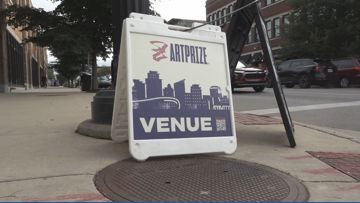
Grand Rapids tests evening and weekend homeless outreach during ArtPrize

Grand Rapids tests evening and weekend homeless outreach during ArtPrize

New Capabilities Grand Rapids, MI local

City adds a second shift for its Homeless Outreach Team as ArtPrize draws an estimated million visitors downtown

Today: City announces HOT evening and weekend shift expansion

Overview

Updated 11 hours ago

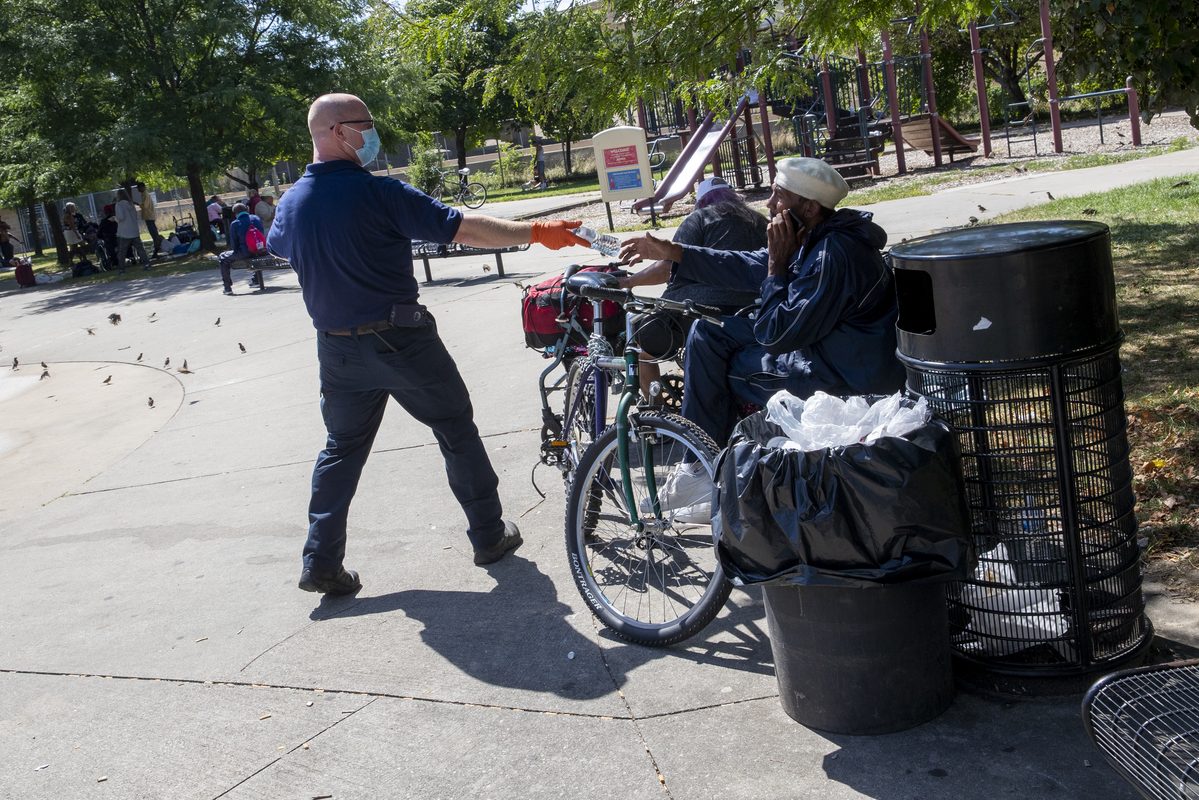
Grand Rapids' Homeless Outreach Team normally works weekdays during the day. For ArtPrize, the city is adding evening and weekend shifts—a 16-day test that runs as an estimated million visitors crowd downtown.

The pilot sits inside a wider expansion: three extra community police officers, a second-shift cleaning crew, and more transit. If the outreach hours work, the question is whether they outlast the festival and become a permanent second-shift service.

Why it matters

If the evening and weekend pilot works, Grand Rapids could make non-police homeless outreach a permanent second shift instead of an ArtPrize special.

Questions about this story

Free account needed to ask — your question is kept and asked for you right after sign-up. Answers are public.

No questions yet — be the first to ask.

Key Indicators

4–9 p.m. weekdays; 8 a.m.–5 p.m. weekends
Expanded HOT coverage
Homeless Outreach Team adds evening and weekend shifts for ArtPrize; standard coverage is weekday daytime.
1M+
Expected ArtPrize visitors
City projects more than a million visitors over the 16-day event.
$82.6M
ArtPrize 2025 economic impact
Last year's event drew 967,000 visitors and generated an estimated $82.6 million for Grand Rapids.
1,025
Art entries in 2026
Largest competition since 2018, across 159 venues in five downtown districts.

Voices

Curated perspectives — historical figures and your fellow readers.

Ever wondered what historical figures would say about today's headlines?

Sign up to generate historical perspectives on this story.

People Involved

Organizations Involved

Timeline

September 2026 October 2026

5 events Latest: Today
Tap a bar to jump to that date
  1. ArtPrize closes; outreach pilot ends

    Upcoming Event

    16-day festival concludes; the extended HOT hours period wraps up.

  2. ArtPrize opens; expanded shifts go live

    Upcoming Event

    Expanded HOT, cleaning, and police coverage begins as the festival starts.

  3. City announces HOT evening and weekend shift expansion

    Today Announcement

    Homeless Outreach Team adds 4–9 p.m. weekday and weekend shifts as a pilot for ArtPrize.

  4. GRPD adds second-shift traffic unit

    Policy

    Police Department begins extra traffic enforcement for ArtPrize crowds, along with added community officers.

  5. ArtPrize preview week opens

    Event

    City begins rolling out expanded downtown services ahead of the main festival.

Scenarios

1

Grand Rapids makes evening homeless outreach permanent

Possible Resolves by Feb 28, 2027

Discussed by: Local coverage (WZZM, WOOD) describing the expansion as a 'test' of a new shift model

If the evening and weekend shifts prove useful during ArtPrize—fewer encampment complaints, more people connected to services, or less pressure on police—the city could extend the hours beyond the festival. That would turn the pilot into a standing second-shift service and a structural change to how Grand Rapids responds to unsheltered residents.

2

Pilot ends with ArtPrize, coverage reverts to weekday days

Possible Resolves by Dec 15, 2026

Discussed by: The city's own framing of the expanded hours as ArtPrize-specific

The expanded hours are explicitly tied to ArtPrize's crowds. If the city treats them as event-specific staffing, HOT returns to weekday daytime coverage after the festival closes and the pilot leaves no permanent change—just two busy weeks of extended service.

3

Pilot grows into a permanent alternative-response model

Unlikely Resolves by Q2 2027

Discussed by: National alternative-response programs such as Denver's STAR, cited as models for civilian outreach

Broader than the ArtPrize hours, this scenario sees the pilot as a step toward civilian response beyond policing. The city would fund a permanent second-shift HOT and route more non-violent calls its way, moving homeless response further out of the police function.

Historical Context

3 moments from history that rhyme with this story — and how they unfolded.

Summer 1996

Atlanta Olympics homeless sweeps (1996)

Ahead of the 1996 Summer Olympics, Atlanta police cleared homeless people from downtown streets, citing security and 'scenic' needs. Shelters were full and many were arrested for quality-of-life offenses, drawing national criticism.

Then

The sweeps displaced hundreds of unhoused residents and drew condemnation before and during the Games.

Now

Atlanta became a cautionary example of criminalizing homelessness for a mega-event.

Why this matters now

Grand Rapids is moving the opposite direction—expanding outreach services rather than clearing streets during ArtPrize—showing how city practice has shifted.

Jan–Feb 2015

Phoenix pre-Super Bowl shelter expansion (2015)

Before the 2015 Super Bowl in Glendale, Phoenix-area officials expanded shelter capacity and outreach to address visible homelessness, partly to project a good image and improve safety during heightened attention.

Then

The region added beds and services for the event window.

Now

Mega-events continued to serve as catalysts for temporary and sometimes lasting service investments.

Why this matters now

Like Phoenix, Grand Rapids is using a large event as the occasion to add homeless services—here, testing evening and weekend outreach that could outlast ArtPrize.

June 2020

Denver STAR program (2020)

Denver launched Support Team Assisted Response (STAR), sending medics and mental-health clinicians instead of police to non-violent 911 calls. The pilot started with one van and narrow criteria.

Then

The pilot handled thousands of calls without arrests or injuries and expanded to more vans and 24/7 coverage.

Now

STAR became a nationally cited model for civilian response running beyond business hours.

Why this matters now

Grand Rapids' HOT shift expansion is a smaller version of the same idea—testing whether non-police teams can cover more hours and reduce reliance on enforcement.

Sources

(4)