

Pull to refresh
Logo
Grand Rapids City Commission to hear comment on 2286 Ball Ave NE brownfield amendment

Grand Rapids City Commission to hear comment on 2286 Ball Ave NE brownfield amendment

Money Moves Grand Rapids, MI local

The Dec. 1 public hearing is the last formal comment step before commissioners vote on changing the project's tax-capture plan.

Overview

Updated 46 minutes ago

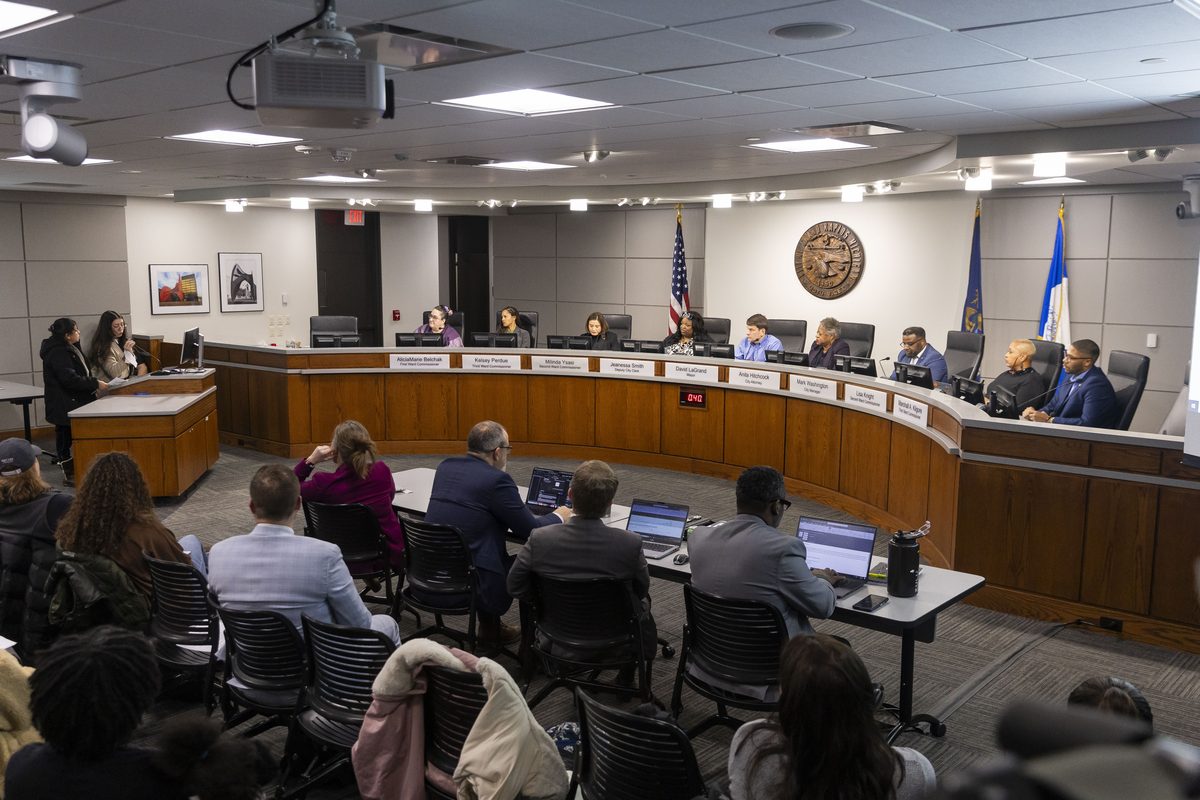
Grand Rapids residents get a formal say on Dec. 1 about the brownfield plan behind the 2286 Ball Ave NE redevelopment project. The City Commission's published agenda lists a public hearing on an amendment to the plan for that address.

Michigan's brownfield law lets cities capture the property-tax growth a cleaned-up or rebuilt site produces and route it back to the developer for eligible costs such as cleanup, demolition and site work. Amending a plan changes what those captured dollars can cover, which is why the hearing comes before the vote.

Why it matters

The amendment sets what public tax money can pay for at this site, and the Dec. 1 hearing is the last public input before a vote.

Last Monday's email for Grand Rapids, MI

Sent Nov 23. It carried:

Get next Monday's: one short email a week. Free. Unsubscribe in one click.

Questions about this story

Free account needed to ask — your question is kept and asked for you right after sign-up. Answers are public.

No questions yet — be the first to ask.

Key Indicators

1
Public hearing scheduled
Commission hearing on the brownfield plan amendment, set for Dec. 1, 2026.

Voices

Curated perspectives — historical figures and your fellow readers.

Sign up to generate historical perspectives on this story.

Organizations Involved

Timeline

November 2026 December 2026

2 events Latest: Today
  1. Public hearing set before commissioners

    Upcoming Hearing

    Residents can comment on the amendment before the commission acts. Whether the item is taken up, deferred or withdrawn is not yet known.

  2. Hearing listed on commission agenda

    Today Agenda

    The published agenda for the Dec. 1 meeting lists a public hearing on amending the brownfield plan for 2286 Ball Ave NE.

Scenarios

1

Commission adopts the amended brownfield plan

Likely Resolves by End of 2026

Discussed by: No outside analysis yet; this follows the standard path for plan amendments that reach a hearing.

The hearing is held, comment is taken, and commissioners vote to approve the amendment, changing what the plan for 2286 Ball Ave NE authorizes. Adoption is the usual outcome for an item that has already cleared the drafting stage and been placed on an agenda for a hearing.

2

Hearing is postponed or the item is pulled

Possible Resolves by Dec 2, 2026

Discussed by: The published agenda notice itself warns that items are regularly deferred, withdrawn or moved.

The Dec. 1 hearing does not take place as listed, or the amendment is held over to a later meeting without a vote. This can happen for procedural reasons, missing paperwork or a request from the project applicant, and it leaves the existing plan in force in the meantime.

3

Commission votes the amendment down

Unlikely Resolves by End of 2026

Discussed by: No outside analysis yet; rejection is procedurally available but uncommon at this stage.

Commissioners hear comment and vote against the amendment, leaving the brownfield plan for the site as it currently stands. A rejection would not necessarily end the project, but it would block the specific financing changes the amendment would have authorized.

Historical Context

2 moments from history that rhyme with this story — and how they unfolded.

1978

Love Canal (1978)

A Niagara Falls, New York neighborhood built on a buried chemical waste dump recorded birth defects, miscarriages and chemical exposure in its homes and school. State and federal officials declared an emergency and began moving families out.

Then

New York State bought out homes and relocated hundreds of families from the contaminated blocks.

Now

The episode turned contaminated land into a national liability question and pushed Congress toward a federal cleanup law.

Why this matters now

Brownfield plans exist because sites with a contaminated past can carry cleanup costs larger than the property's resale value, which is the gap the 2286 Ball Ave NE amendment is built around.

December 1980

Superfund and federal hazardous-waste liability (1980)

Congress created the Superfund program to clean up abandoned hazardous-waste sites and gave the federal government authority to recover costs from the companies responsible. It was funded in part by taxes on chemical and petroleum producers.

Then

Cleanup work began on the highest-priority sites on a national list.

Now

The liability rules made lenders and buyers cautious about any parcel with a contaminated history, leaving many smaller sites unsold and unused.

Why this matters now

State brownfield programs, including Michigan's, were built to close that cost gap at the parcel level. A plan amendment is where the gap and the public subsidy get sized for one address.

Sources

(1)