
Pull to refresh
Logo
Invasive mudsnails detected in Kent County, Michigan

Invasive mudsnails detected in Kent County, Michigan

Rule Changes Grand Rapids, MI local

State officials ask residents to help prevent the spread of the tiny snails.

Overview

Updated 1 hour ago

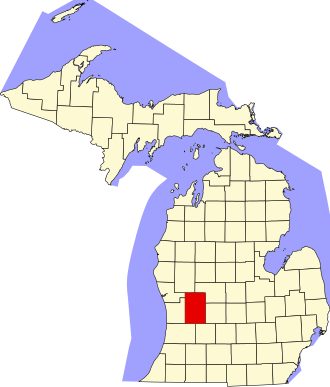
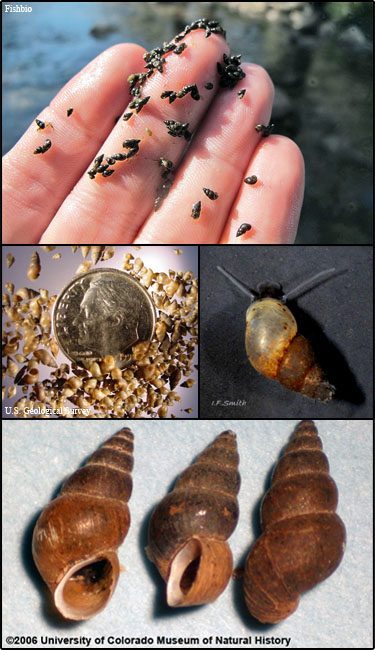
A tiny snail that can reach densities of over 400,000 per square meter has been found in Kent County, Michigan. The New Zealand mudsnail, about one-eighth of an inch long, is prohibited in the state because it can crowd out native species and alter river ecosystems.

State officials are asking residents to help stop the spread by cleaning boats, fishing gear, and other equipment before moving between waterways. The snail reproduces asexually, so a single individual can start a new population.

Why it matters

If the mudsnail spreads, it could disrupt food webs and damage Michigan's outdoor recreation economy.

Monday: what changed in Grand Rapids, MI

One short email a week with the openings, closings, permits and council votes we covered. Free. Unsubscribe in one click.

Questions about this story

Free account needed to ask — your question is kept and asked for you right after sign-up. Answers are public.

No questions yet — be the first to ask.

Key Indicators

1/8 inch
Snail length
The mudsnail is about one-eighth of an inch long.
400,000
Max density per square meter
Can reach over 400,000 snails per square meter.
1987
First US detection
First found in southern Idaho in 1987.

Voices

Curated perspectives — historical figures and your fellow readers.

Sign up to generate historical perspectives on this story.

Organizations Involved

Timeline

1 event Latest: Today
  1. Invasive mudsnail detected in Kent County

    Today Detection

    Local news reports the New Zealand mudsnail found in Kent County, prompting a call for public help to prevent spread.

Scenarios

1

Mudsnail contained to Kent County

Possible Resolves by Nov 2, 2027

Discussed by: State officials

If residents follow cleaning protocols and the snail is confined to its current location, no new detections will occur in other Michigan waterways. This would require widespread compliance with boat and gear cleaning.

2

Mudsnail spreads to other Michigan rivers

Likely Resolves by Nov 2, 2027

Discussed by: Aquatic invasive species experts

If the snail is transported on contaminated gear, it could establish in new rivers and streams. The snail's ability to reproduce asexually makes a single introduction enough to start a population.

Historical Context

2 moments from history that rhyme with this story — and how they unfolded.

1988

Zebra mussel invasion of the Great Lakes (1988)

Zebra mussels were first detected in Lake St. Clair in 1988. They spread rapidly across the Great Lakes, clogging water intake pipes and disrupting food webs.

Then

Governments spent billions on control and prevention.

Now

Zebra mussels permanently altered the ecology of the Great Lakes and led to stricter ballast water regulations.

Why this matters now

The mudsnail could follow a similar path if not contained, highlighting the importance of early detection and public cooperation.

1987-present

New Zealand mudsnail in the American West (1987-present)

The New Zealand mudsnail was first found in southern Idaho in 1987. It has since spread to rivers across the western United States, where it can reach densities that outcompete native invertebrates.

Then

Fisheries managers noted declines in native snail and insect populations.

Now

The snail became a permanent fixture in many western watersheds, with control efforts limited to slowing its spread.

Why this matters now

The western experience shows how quickly the snail can colonize new waters and why Michigan officials are asking for immediate action.

Sources

(2)