


Pull to refresh
Logo
Harmful algal bloom prompts advisory at Crystal Lake public beach

Harmful algal bloom prompts advisory at Crystal Lake public beach

Rule Changes Greenville, MI local

Mid-Michigan District Health Department confirms microcystin at Montcalm County beach

Yesterday: MMDHD issues public health advisory

Overview

Updated 1 hour ago

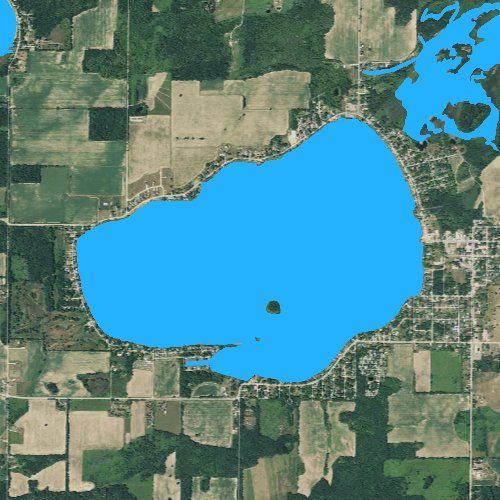
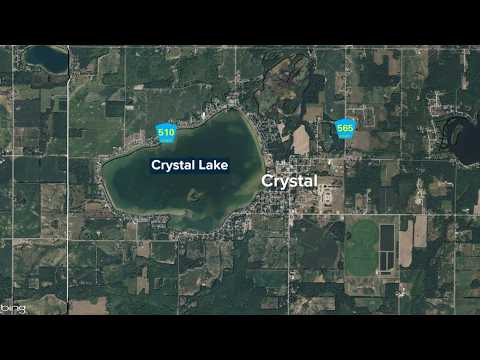
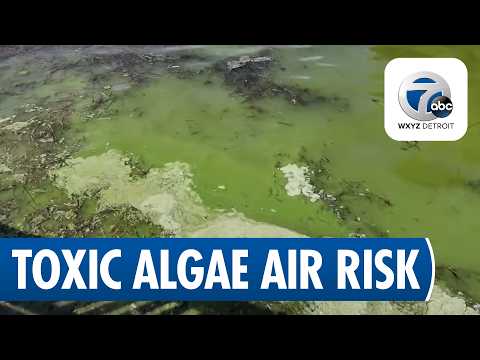
Crystal Lake Public Beach in Montcalm County is under a health advisory. Routine monitoring found an algal bloom that tested positive for microcystin, a toxin that can sicken people and kill pets. The Mid-Michigan District Health Department (MMDHD) is telling visitors to avoid areas of the lake where the bloom is visible.

The advisory lands as Michigan heads into Labor Day weekend with more than a half-dozen beaches closed or under advisories for high bacteria counts. A similar bloom was reported at Sleepy Hollow State Park's Lake Ovid beach. Most blooms are harmless, but some produce toxins that cause vomiting, diarrhea, and breathing problems in humans, and can be fatal to dogs.

Why it matters

If the bloom persists, Crystal Lake's beach stays closed through the warm season, and swimmers and pets face a real health risk from microcystin.

Questions about this story

Free account needed to ask — your question is kept and asked for you right after sign-up. Answers are public.

No questions yet — be the first to ask.

Key Indicators

Positive
Microcystin test result
Water sample from Crystal Lake Public Beach tested positive for the algal toxin microcystin.
6+
Michigan beaches closed or under advisory
More than a half-dozen Michigan beaches were closed or under advisories for high bacteria counts as of Sept. 3, 2026.
2
Algal bloom advisories this week
Crystal Lake and Sleepy Hollow State Park's Lake Ovid both reported blooms in the same week.

Voices

Curated perspectives — historical figures and your fellow readers.

Ever wondered what historical figures would say about today's headlines?

Sign up to generate historical perspectives on this story.

Play

Exploring all sides of a story is often best achieved with Play.

Most of these play right now — no account needed. Sign up to save scores, keep a streak, and unlock Debate and Predict. Log in Sign Up
Predict 3 ways this could play out. Back the one you believe — contrarian picks score more when a scenario has a resolution date. Log in to play

Organizations Involved

Timeline

August 2026 September 2026

3 events Latest: Yesterday
  1. MMDHD issues public health advisory

    Latest Statement

    Health department warns people and pets to avoid the bloom until it dissipates, citing risks of illness and pet fatalities.

  2. Algal bloom confirmed at Crystal Lake Public Beach

    Health Advisory

    Routine beach monitoring found an algal bloom that tested positive for microcystin. MMDHD recommends avoiding affected areas.

  3. Sleepy Hollow State Park warns of similar bloom

    Warning

    Lake Ovid beach at Sleepy Hollow State Park reported a similar algal bloom the same week.

Historical Context

2 moments from history that rhyme with this story — and how they unfolded.

August 2014

Lake Erie Toledo water crisis (2014)

A massive harmful algal bloom in Lake Erie produced microcystin that contaminated Toledo's drinking water. The city told 400,000 residents not to use tap water for drinking, cooking, or bathing for three days.

Then

Toledo issued a 'do not drink' advisory for three days while the water system was flushed. The National Guard delivered bottled water to residents.

Now

The crisis spurred new state and federal efforts to reduce phosphorus runoff into Lake Erie and improve algal bloom monitoring.

Why this matters now

Shows the potential severity of microcystin-producing blooms and why health officials act quickly when the toxin is detected.

Summer 2022

Michigan's 2022 harmful algal bloom season

Multiple lakes across Michigan experienced harmful algal blooms during the summer of 2022. EGLE tracked and tested dozens of reports from citizens and local agencies.

Then

Several beaches were closed or placed under advisories. EGLE encouraged the public to report suspected blooms.

Now

The season reinforced the need for ongoing monitoring and public education about HABs.

Why this matters now

Shows the recurring nature of harmful algal blooms in Michigan and the established monitoring and response system.

Sources

(5)