

Pull to refresh
Logo
Scientists describe five new freshwater mussel species in southern US rivers

Scientists describe five new freshwater mussel species in southern US rivers

New Capabilities

DNA analysis cracks open the muddled Obovaria genus, revealing mussels that look identical but are distinct species

September 2026: Five new species and a restored genus published

Overview

Updated 1 hour ago

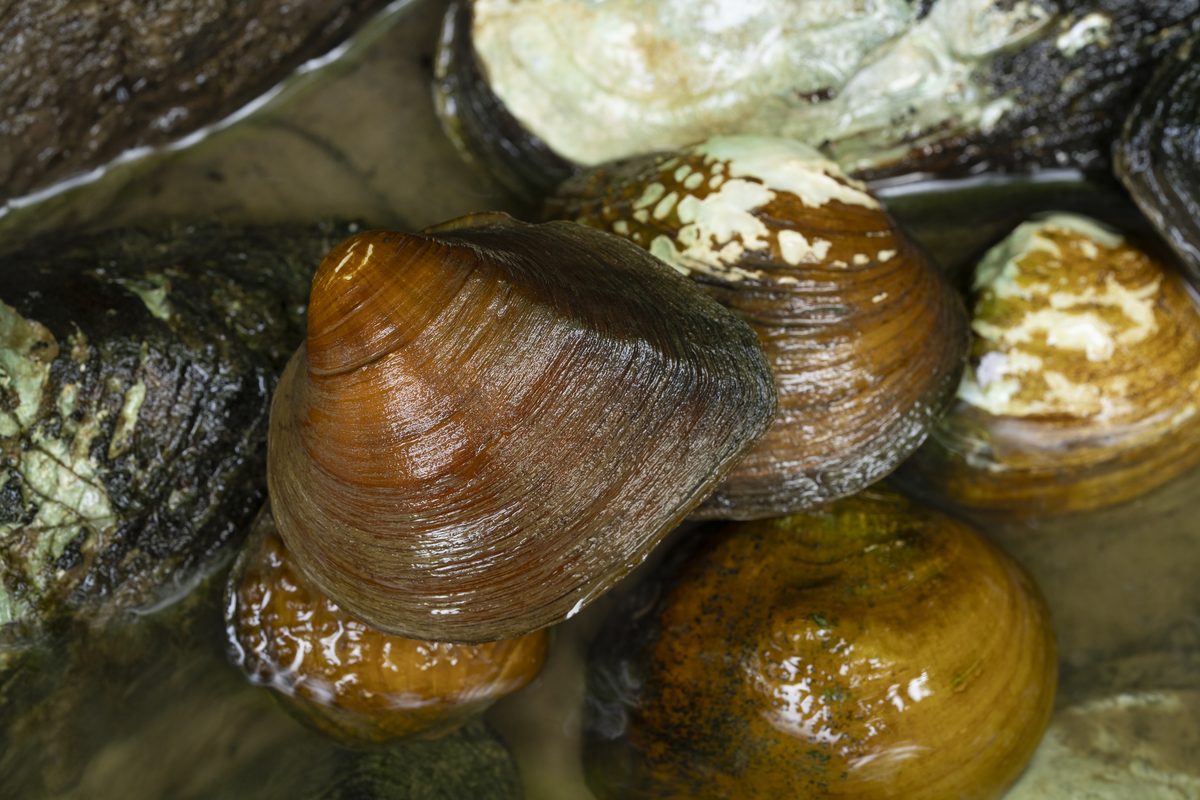
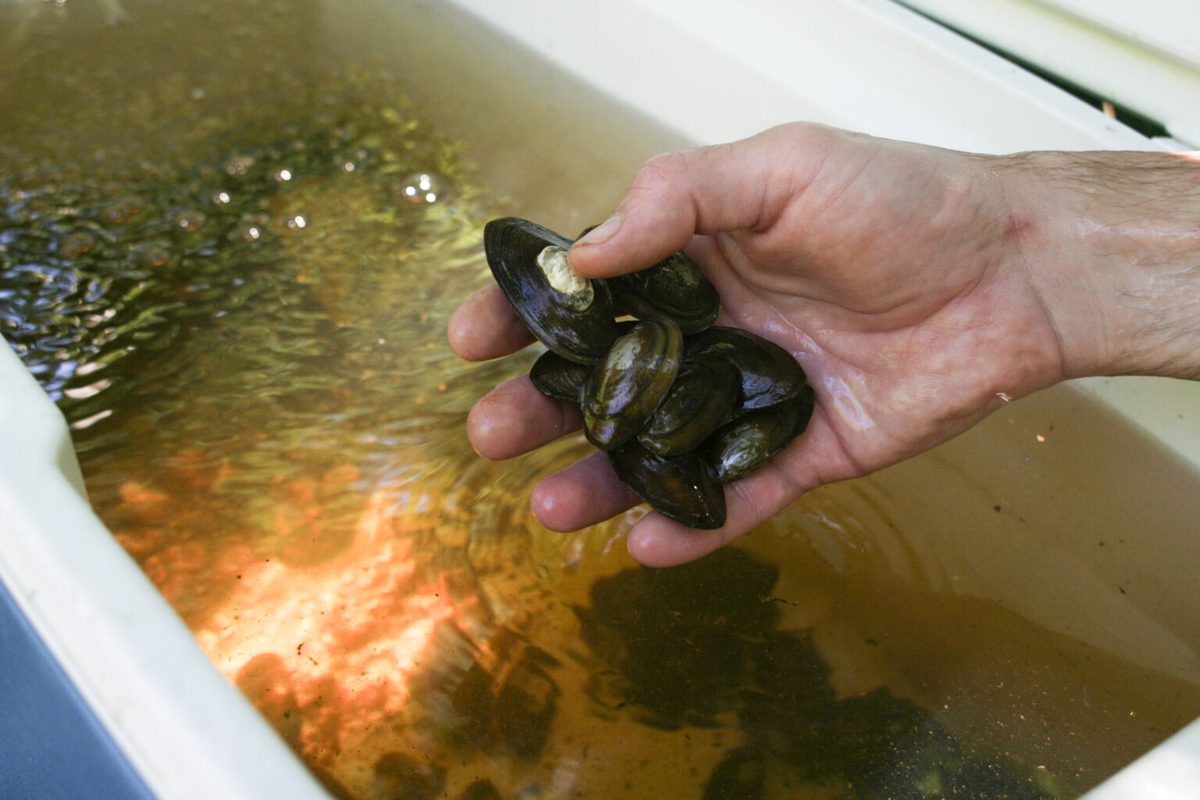
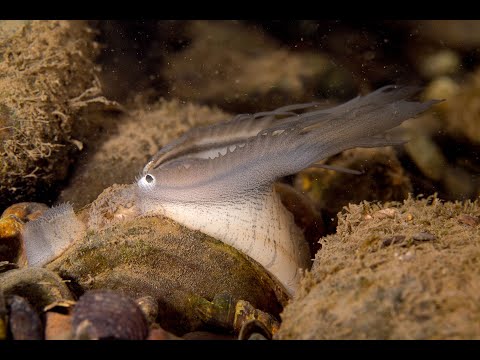
Five look-alike freshwater mussels have been hiding in rivers across the US Southeast. A team from the John G. Shedd Aquarium, Arkansas State University, and the US Geological Survey used DNA and shell-shape analysis to split the genus Obovaria into five new species, and to recognize a sixth under a restored genus, Pseudoon.

The names matter because US protections flow to named species. Several of the five are rare and confined to single river basins, so mapping them changes where recovery money and endangered species reviews should be aimed.

Why it matters

Unnamed species usually get no US protections; these five names make rare, river-specific mussels visible to the Endangered Species Act and recovery funding.

Questions about this story

Free account needed to ask — your question is kept and asked for you right after sign-up. Answers are public.

No questions yet — be the first to ask.

Key Indicators

5
New species described
Named from the Obovaria arkansasensis and unicolor complexes across the Gulf Coastal Plain.
1
Genus elevated
Obovaria olivaria moves to Pseudoon olivarium comb. nov., sister to the Venustaconcha clade.
6
States holding new endemics
Alabama, Arkansas, Louisiana, Mississippi, Missouri, and Texas contain the five new species.

Voices

Curated perspectives — historical figures and your fellow readers.

Ever wondered what historical figures would say about today's headlines?

Sign up to generate historical perspectives on this story.

People Involved

Organizations Involved

Timeline

1819 September 2026

2 events Latest: September 2026
  1. Five new species and a restored genus published

    Latest Publication

    Zootaxa publishes the study naming Obovaria sipseyensis, neeskaensis, pinetorum, tallahattae, and lumbo, plus Pseudoon olivarium comb. nov.

  2. Rafinesque defines the genus Obovaria

    Founding

    Constantine Rafinesque erects the genus for North American freshwater mussels.

Scenarios

1

Endangered Species Act review opens for a new Obovaria species

Possible Resolves by End of 2028

Discussed by: The study authors, who note several species are rare and geographically restricted

Federal or state agencies, or a conservation group, file a petition or begin a status review. A 90-day finding or proposed rule for at least one of the five species would be the first concrete step. The paper's rarity findings give petitioners the evidence base.

2

More Obovaria and Pseudoon taxa are split or reassigned

Likely Resolves by End of 2028

Discussed by: The authors, who call for genus-wide phylogenetic study of Obovaria

The paper found phylogeographic structure within O. arkansasensis, O. neeskaensis, and O. subrotunda across drainages. Follow-up work on those lineages could produce further splits or new combinations, continuing the revision.

3

State agencies add new mussel species to at-risk lists

Possible Resolves by End of 2027

Discussed by: State natural heritage programs in Alabama, Arkansas, Mississippi, Missouri, Louisiana, and Texas

The newly named species are candidates for state lists of threatened, endangered, or species of conservation concern. State designations do not carry federal listing weight but steer state recovery funds and permitting.

Historical Context

3 moments from history that rhyme with this story — and how they unfolded.

1973-1979

Snail darter and Tellico Dam (1973-1979)

Biologists described the snail darter, a three-inch fish, in 1975 after TVA's Tellico Dam was nearly complete. The finding made the Tennessee River project subject to the Endangered Species Act, which protects listed species' habitat.

Then

The Supreme Court ruled in TVA v. Hill (1978) that the dam could not proceed; Congress exempted it in 1979 and the dam was finished.

Now

The case established that naming a species can halt or redirect federal projects, cementing the legal power of formal description.

Why this matters now

Formal description is the trigger for US species protections. Here, naming mussels shifts conservation attention to specific rivers, just as naming the snail darter redirected a dam decision.

2011

Ozark hellbender ESA listing (2011)

Genetic work distinguished the Ozark hellbender, a giant salamander, from the eastern hellbender. The US Fish and Wildlife Service listed it as endangered in 2011, citing the genetically distinct, shrinking populations.

Then

The listing focused recovery actions on Missouri and Arkansas streams within the hellbender's true range.

Now

It became a model for how DNA-based distinctness earns federal protection for a morphologically similar species.

Why this matters now

Like the hellbender, the new Obovaria species look like relatives but are genetically distinct, and that distinction is the basis for separate conservation treatment.

2012

Greenback cutthroat trout DNA revelation (2012)

A University of Colorado DNA study showed that most trout long stocked and managed as greenback cutthroat were actually Colorado River cutthroat. The true greenback lineage survived in only one small creek.

Then

Conservation managers redirected breeding and stocking programs to the genuine lineage and its single creek.

Now

The case showed how molecular data can overturn long-held species identities and ranges.

Why this matters now

DNA analysis exposed mistaken identity at scale, the same pattern the Obovaria study found across a mussel genus long treated as one variable species.

Sources

(6)