



Pumped hydroelectric storage (1907–present)
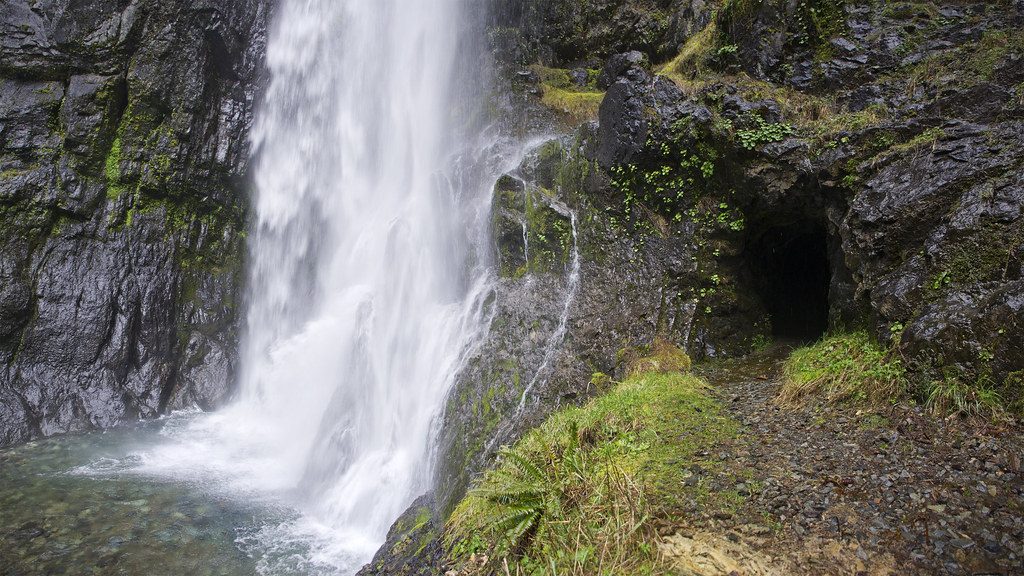
Switzerland built the first pumped-hydro storage plant in 1907, using surplus electricity to pump water uphill into a reservoir, then releasing it through turbines when power was needed. The technology spread globally throughout the twentieth century and now accounts for roughly 90 percent of all grid-scale energy storage worldwide, with over 160 gigawatts of installed capacity.
Pumped hydro enabled grids to balance supply and demand decades before batteries existed, making baseload nuclear and coal plants economically viable by absorbing their overnight surplus.
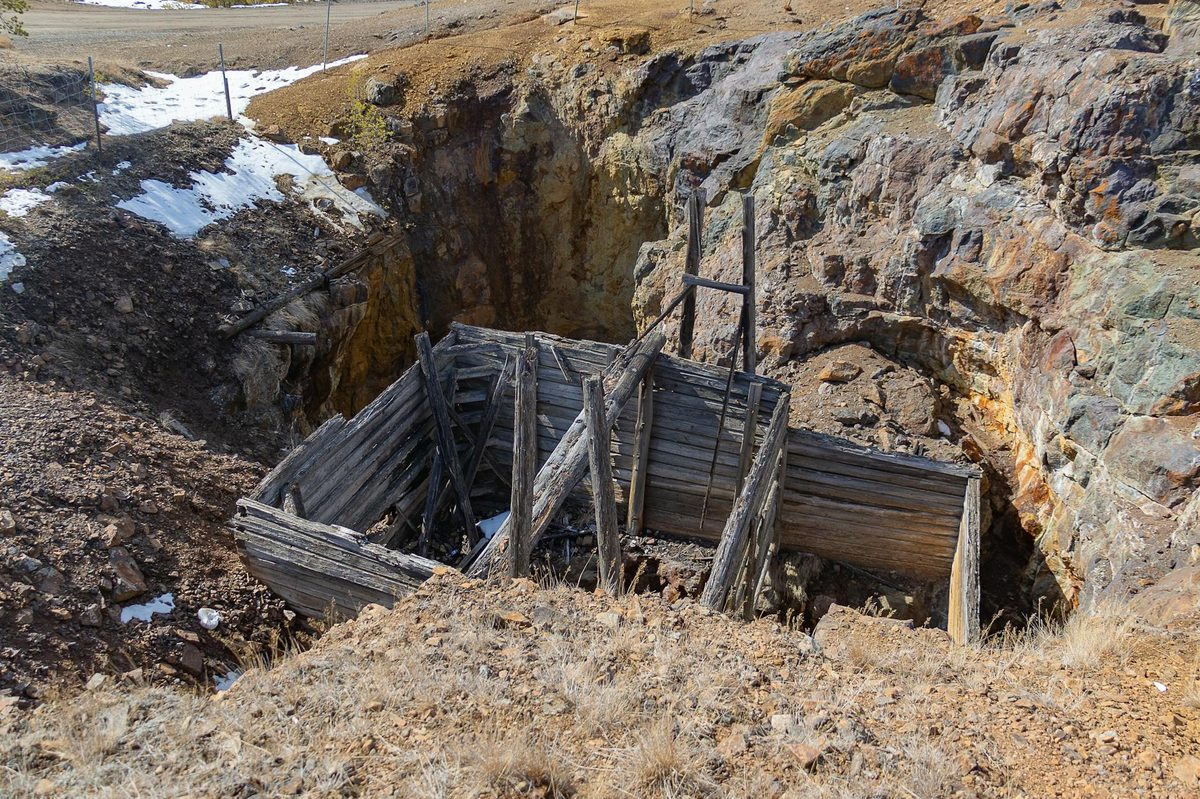
Despite its dominance, pumped hydro requires specific geography—mountains, valleys, water—limiting where it can be built. This constraint is precisely what makes alternative gravity storage concepts attractive: mine shafts exist in flat terrain where reservoirs cannot.
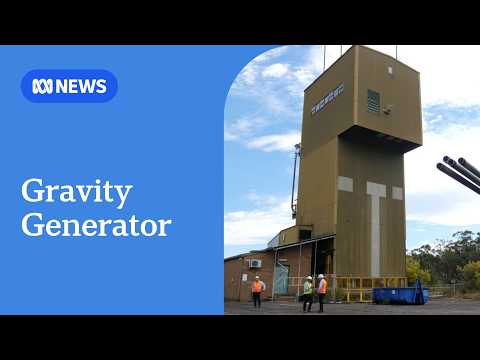
Gravity batteries are attempting to replicate pumped hydro's proven physics in a form factor that works underground, without water, and in locations where traditional pumped hydro is impossible. The question is whether solid weights in shafts can match the economics of water in reservoirs.