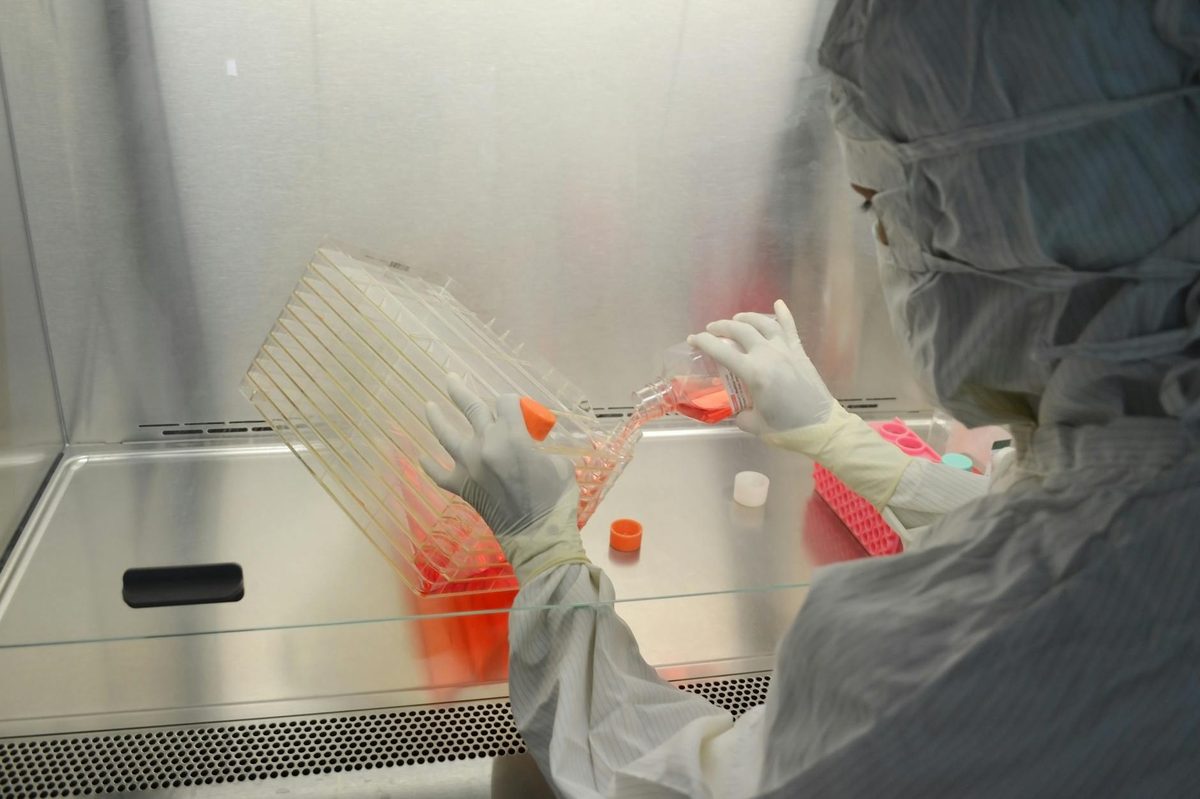
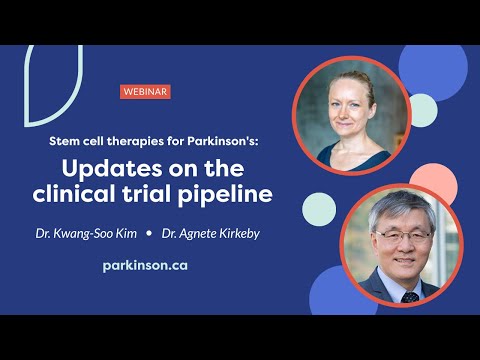
For more than 50 years, Parkinson's disease treatment has meant managing symptoms with medication—not addressing the root cause: the death of dopamine-producing brain cells. Now, clinical trials are testing whether stem cell therapies can actually replace those lost neurons.
In December 2025, Hope Biosciences reported Phase II results showing statistically significant motor improvements in patients receiving stem cell infusions. Kenai Therapeutics began dosing patients in a trial that surgically implants dopamine-producing cells directly into the brain. By February 2026, Kenai had expanded its Phase I REPLACE trial to three U.S. sites, including Keck Medicine of USC, where neurosurgeons are implanting iPS cell-derived dopamine neurons into the basal ganglia under MRI guidance.
These trials build on landmark 2025 results published in Nature from teams in the United States and Japan. Teams demonstrated that stem cell-derived neurons can survive in human brains, produce dopamine, and improve motor function without forming tumors. BlueRock Therapeutics reported positive 36-month Phase I data in early 2026 and received Japan's SAKIGAKE (Pioneering Regenerative Medical Product) designation in December 2025.
BlueRock is enrolling patients in the first Phase III trial of a stem cell therapy for Parkinson's. Both intravenous delivery (Hope Biosciences) and surgical implantation (BlueRock, Kenai) approaches are advancing. The field is closer than ever to treatments that could slow or halt disease progression, potentially transforming outcomes for 10 million people living with Parkinson's worldwide.
Questions about this story
Free account needed to ask — your question is kept and asked for you right after sign-up. Answers are public.
No questions yet — be the first to ask.
Key Indicators
3
U.S. Clinical Trial Sites
Kenai Therapeutics' REPLACE trial now enrolling at USC, University of Southern California, and two additional U.S. sites, with 12 total participants planned.
36 months
BlueRock Phase I Follow-up
Positive safety and efficacy data reported in early 2026, with continued dopamine production and motor improvements sustained through 36-month observation.
2
Delivery Approaches Advancing
Intravenous infusion (Hope Biosciences Phase II complete) and direct brain implantation (BlueRock Phase III, Kenai Phase I) both showing clinical promise.
2027
Expected Phase III Readout
BlueRock's pivotal exPDite-2 trial data expected, which could support regulatory approval.
Images from Openverse under Creative Commons licenses.
Videos from YouTube.
Voices
Curated perspectives — historical figures and your fellow readers.
George Orwell
(1903-1950) ·Modernist · satire
Fictional AI pastiche — not real quote.
"How curious that we've spent half a century perfecting the art of disguising symptoms while the disease marched on—a bureaucratic solution if ever there was one. Now they propose to actually repair the brain itself, which strikes me as almost indecent: what will the pharmaceutical ministries do with themselves once maintenance of chronic dependency is no longer the only game in town?"
100% found this insightful
Ever wondered what historical figures would say about today's headlines?
Sign up to generate historical perspectives on this story.
17 events
Latest: February 6th, 2026 · 8 months ago
Showing 8 of 17
JK to step
Tap a bar to jump to that date
Jump to
February 2026
Keck Medicine of USC details Kenai REPLACE trial operations
LatestClinical Trial
University of Southern California announces Keck Medicine is one of three U.S. sites enrolling patients in Kenai's Phase I REPLACE trial, with neurosurgeons implanting iPS cell-derived dopamine neurons into the basal ganglia under MRI guidance. Trial involves 12 participants with moderate to moderate-severe Parkinson's disease.
January 2026
BlueRock receives FDA Orphan Drug Designation for retinal therapy
Regulatory
BlueRock Therapeutics receives FDA Orphan Drug Designation for OpCT-001, expanding its cell therapy pipeline beyond Parkinson's to primary photoreceptor diseases including retinitis pigmentosa.
APDA highlights bemdaneprocel and tavapadon in final trial stages
Clinical Trial
American Parkinson Disease Association reports bemdaneprocel (BlueRock) and tavapadon entering final stages of clinical trials, positioning both as potential near-term treatment options.
Stanford webinar features Takahashi and Henchcliffe stem cell updates
Scientific Forum
American Parkinson Disease Association hosts webinar with Dr. Jun Takahashi (Kyoto University) and Dr. Claire Henchcliffe (UC Irvine) discussing seven-year results from Japan's iPS cell trial and 36-month exPDite-2 embryonic stem cell trial data, addressing long-term safety, patient selection, and future directions.
2026
BlueRock reports positive 36-month Phase I results
Clinical Trial
BlueRock Therapeutics announces positive 36-month follow-up data from Phase I trial of bemdaneprocel, demonstrating sustained safety, continued dopamine production on PET imaging, and motor function improvements in higher-dose patients.
December 2025
Hope Biosciences reports positive Phase II results
Clinical Trial
Hope Biosciences Research Foundation announces its Phase II Parkinson's trial met its primary endpoint, showing statistically significant motor improvements with six intravenous stem cell infusions.
Kenai Therapeutics doses first patient in REPLACE trial
Clinical Trial
Kenai announces the first patient has been dosed in its Phase I trial of RNDP-001, an iPS cell-derived therapy delivered via brain surgery.
BlueRock receives Japan SAKIGAKE designation
Regulatory
BlueRock Therapeutics' bemdaneprocel receives Japan's Pioneering Regenerative Medical Product (SAKIGAKE) designation, accelerating regulatory review and approval pathway in Japan.
September 2025
BlueRock doses first Phase III patient
Clinical Trial
BlueRock Therapeutics announces the first patient has received treatment in exPDite-2, the pivotal Phase III trial of bemdaneprocel.
April 2025
Nature publishes landmark US and Japan trial results
Publication
Nature publishes Phase I/II results from both American and Japanese trials showing stem cell-derived neurons survived transplantation, produced dopamine, and improved motor function without tumor formation.
January 2025
BlueRock receives FDA clearance for Phase III
Regulatory
The FDA clears BlueRock Therapeutics to advance bemdaneprocel into a Phase III registrational trial, the first for any Parkinson's stem cell therapy.
August 2018
First iPS cell Parkinson's trial begins in Japan
Clinical Trial
Kyoto University Hospital begins the world's first clinical trial transplanting iPS cell-derived dopaminergic progenitor cells into Parkinson's patients.
October 2012
Yamanaka awarded Nobel Prize
Recognition
Shinya Yamanaka shares the Nobel Prize in Physiology or Medicine for the discovery that mature cells can be reprogrammed to become pluripotent.
2006
Yamanaka discovers induced pluripotent stem cells
Scientific Discovery
Shinya Yamanaka announces that adult cells can be reprogrammed into pluripotent stem cells using four genes, opening a path to patient-matched cell therapies without embryonic tissue.
2002
FDA approves deep brain stimulation for Parkinson's
Regulatory
The FDA approves stimulation of the subthalamic nucleus and globus pallidus for Parkinson's, establishing surgical intervention as a treatment option but not addressing underlying neurodegeneration.
1987
First fetal tissue transplants attempted
Clinical Trial
Researchers begin transplanting fetal dopamine-producing tissue into Parkinson's patients, with some showing improvements lasting over a decade—but ethical and practical constraints limit the approach.
1967
Levodopa discovered as Parkinson's treatment
Scientific Discovery
Researchers confirm that levodopa improves motor symptoms in Parkinson's patients, establishing dopamine replacement as the standard of care for the next five decades.
Scenarios
1
FDA Approves First Stem Cell Therapy for Parkinson's by 2028
Possible
Discussed by: BlueRock Therapeutics investor presentations; regenerative medicine analysts at Labiotech and Fierce Biotech
BlueRock's Phase III trial produces positive results in 2027, leading to FDA approval of bemdaneprocel as the first stem cell therapy for Parkinson's disease. This would establish a new treatment paradigm focused on replacing lost neurons rather than managing symptoms, though high costs and surgical delivery would initially limit access.
Discussed by: Nature Medicine editorials; Parkinson's Foundation scientific advisors
Both intravenous delivery (Hope Biosciences) and surgical implantation (BlueRock, Kenai) approaches demonstrate efficacy, creating a competitive market with different risk-benefit profiles. Patients with early disease might receive less invasive infusions, while those with advanced disease could opt for direct brain implants.
Discussed by: Nature editorials cautioning against rushing stem cell therapies; FDA regulatory precedent discussions
Extended follow-up in Phase III trials reveals unexpected long-term complications such as dyskinesias (involuntary movements) similar to those seen in 1990s fetal tissue trials, or late-emerging safety signals. Regulators require additional years of monitoring data, delaying approval into the 2030s.
4
Trials Show Modest Benefits, Incremental Adoption
Likely
Discussed by: Fierce Biotech analysis of Hope Biosciences data showing benefit decline after treatment ended
Phase III results confirm stem cell therapies are safe and produce measurable improvements, but effects prove modest or require ongoing treatment to maintain. The therapies join the treatment toolkit as expensive options for specific patient populations rather than transforming standard of care.
5
Surgical Implant Approach Becomes Standard for Advanced Disease
Possible
Discussed by: Neurosurgeons at USC, UC Irvine, and Kyoto University; regenerative medicine analysts
As Kenai and BlueRock trials expand, direct brain implantation of dopamine-producing cells becomes the preferred approach for patients with moderate-to-advanced Parkinson's disease, while intravenous infusion (Hope Biosciences) serves earlier-stage patients. This creates a tiered treatment paradigm based on disease stage and symptom severity.
6
Immunosuppression Requirements Limit Adoption of Allogeneic Therapies
Possible
Discussed by: Parkinson's Foundation scientific advisors; clinical trial investigators at Stanford webinar
Long-term immunosuppression requirements for allogeneic cell therapies (BlueRock, Kenai using donor cells) prove burdensome or unsafe in elderly Parkinson's populations, accelerating development of autologous iPS cell approaches where patients receive their own reprogrammed cells without immunosuppression.
7
Combination Therapy Emerges: Cell Transplants Plus Alpha-Synuclein Targeting
Possible
Discussed by: Dr. Claire Henchcliffe (UC Irvine); neuroscience researchers at Stanford webinar
Phase III trials reveal that transplanted dopamine neurons gradually accumulate alpha-synuclein pathology over 3-5 years, limiting long-term benefit. Researchers develop combination approaches pairing cell transplants with anti-alpha-synuclein therapies to prevent graft degeneration and extend therapeutic window.
Historical Context
3 moments from history that rhyme with this story — and how they unfolded.
1 of 3
1987-2003
Fetal Tissue Transplants for Parkinson's (1987-2003)
Beginning in 1987, researchers in Sweden and the United States transplanted dopamine-producing fetal brain tissue into Parkinson's patients. Over roughly 300 transplants performed worldwide, many patients showed lasting improvements—some maintaining benefits for over 20 years. However, two NIH-funded randomized trials in 2001 and 2003 produced disappointing results, with some younger patients developing severe involuntary movements.
Then
The approach largely halted in Western medicine due to inconsistent results, ethical concerns about fetal tissue use, and the emergence of dyskinesia side effects in some patients.
Now
The trials proved that transplanted dopamine neurons could survive and function in human brains for decades, providing the scientific foundation for today's stem cell approaches while highlighting the need for better cell standardization.
Why this matters now
Current stem cell trials address the key limitations of fetal tissue: using manufactured, standardized cell populations rather than variable fetal tissue, and incorporating decades of learning about optimal cell preparation and patient selection.
2 of 3
1997-2002
Deep Brain Stimulation FDA Approval (1997-2002)
The FDA approved deep brain stimulation (DBS) for Parkinson's tremor in 1997 and for broader motor symptoms in 2002, after clinical trials showed electrical stimulation of brain structures could significantly reduce symptoms. By 2025, over 40,000 Parkinson's patients had received DBS implants worldwide.
Then
DBS became established as the primary surgical option for patients whose medications were no longer effective, offering significant symptom relief without the variability of tissue transplants.
Now
DBS demonstrated that patients and insurers would accept brain surgery for Parkinson's treatment, establishing surgical precedent and infrastructure that stem cell therapies can now leverage.
Why this matters now
Stem cell therapies requiring brain surgery will use similar neurosurgical techniques and face similar patient acceptance questions. DBS proved the market exists for invasive Parkinson's interventions when medications fail.
3 of 3
2006-2012
Discovery of iPS Cells (2006-2012)
Shinya Yamanaka at Kyoto University discovered in 2006 that adult cells could be reprogrammed into pluripotent stem cells using just four genes. Human iPS cells followed in 2007. Yamanaka won the Nobel Prize in 2012, and his technology enabled researchers to generate dopamine neurons from adult cells without embryonic tissue.
Then
The discovery eliminated the ethical barriers and supply constraints of embryonic stem cells, enabling a new wave of regenerative medicine research.
Now
iPS technology became the foundation for Kenai Therapeutics' RNDP-001 and underlies the Japanese clinical trials, offering a path to patient-matched therapies that avoid immune rejection.
Why this matters now
The current cluster of advancing trials exists because Yamanaka's discovery solved the fundamental supply and ethics problems that had stalled the field for two decades.