
Pull to refresh
Logo
Pentagon restricts military contacts with Canada

Pentagon restricts military contacts with Canada

Rule Changes

A classified Hegseth memo requires U.S. troops and defense officials to get permission before socializing with Canadian counterparts

Overview

Updated 1 hour ago

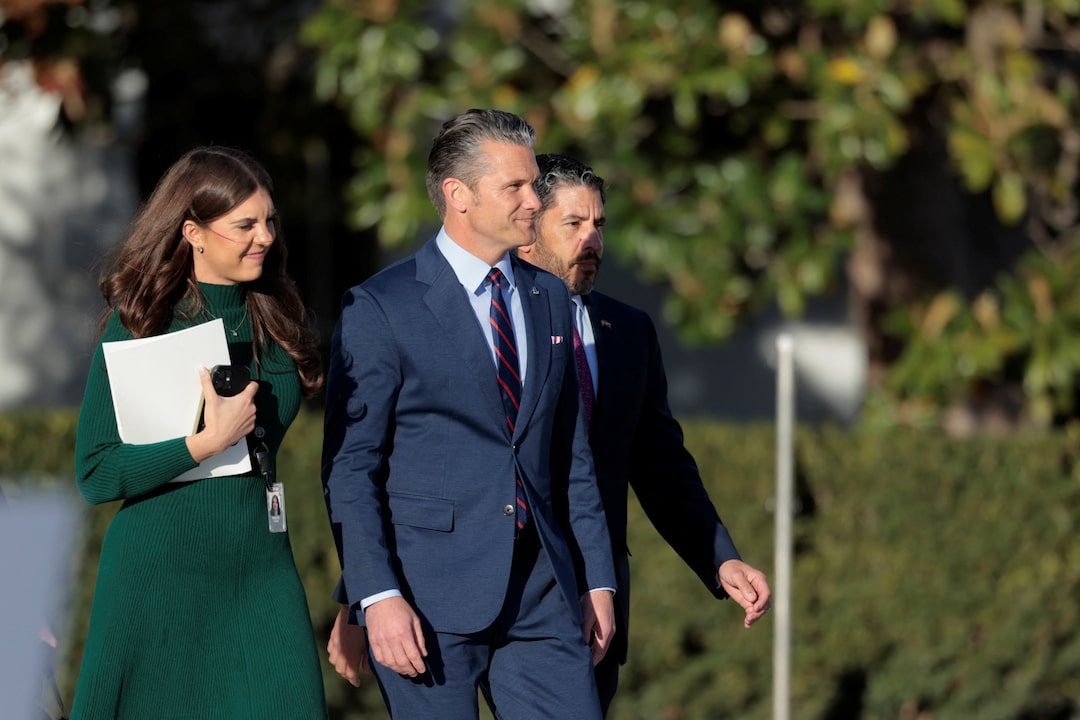
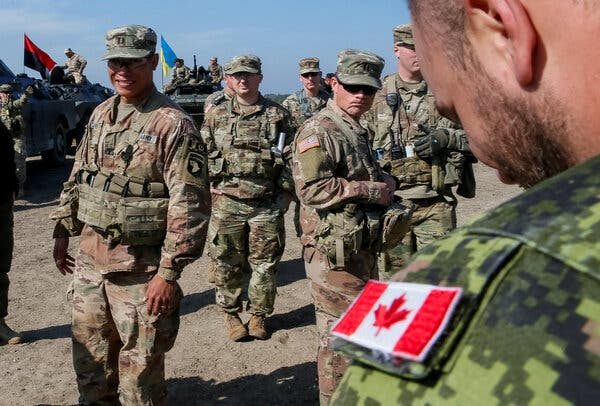
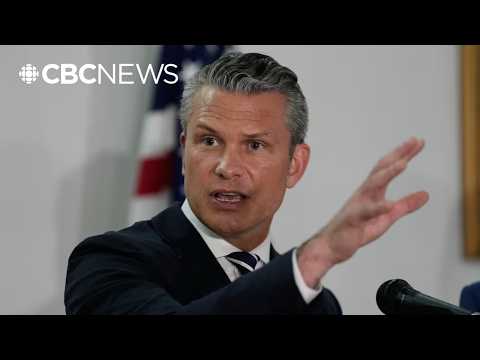
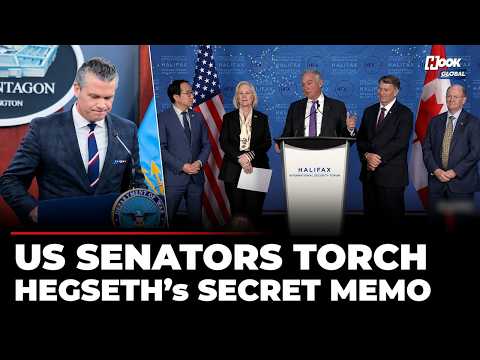
American service members and civilian defense officials now need permission before attending social events with their Canadian counterparts. A classified memo from Defense Secretary Pete Hegseth, circulated in mid-November and first reported by The Washington Post, also limits flag-officer meetings to those that advance U.S. objectives.

The Pentagon says the guidance leaves NORAD, defense intelligence sharing and NATO cooperation untouched. Three Canadian defence officials said they had no prior knowledge of the memo and had seen no change at the operational level. Whether the restriction stays at the level of receptions and conferences, or reaches exercises and planning, is the open question.

Why it matters

The U.S. and Canada have run continental air defense together since 1958. A rule that reaches operations would make that harder.

Questions about this story

Free account needed to ask — your question is kept and asked for you right after sign-up. Answers are public.

No questions yet — be the first to ask.

Key Indicators

3
Canadian defence officials who said they were unaware
All three said they were seeking clarification and had seen no operational change.
300
Officials attending the Halifax security forum
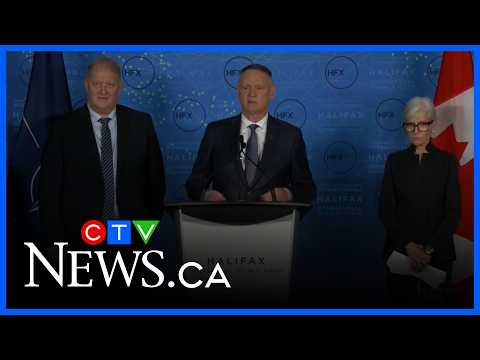
The annual gathering where a Republican senator confirmed the memo's existence.
68
Years of binational NORAD command
U.S. and Canadian air defense have been under one command since 1958.

Voices

Curated perspectives — historical figures and your fellow readers.

Sign up to generate historical perspectives on this story.

People Involved

Organizations Involved

Timeline

2025 November 2026

5 events Latest: Today
Tap a bar to jump to that date
  1. Permission required to socialize with Canadian troops

    Today Directive

    Reports detail the rule: uniformed and civilian U.S. officials must seek approval before social events and conferences.

  2. Rounds confirms memo at Halifax

    Statement

    The senator says it limits flag-officer meetings but leaves operations untouched. He calls the leak unfortunate.

  3. Canadian officials see no operational change

    Statement

    Three defence officials say they were unaware of the memo and are seeking clarification.

  4. Washington Post reports classified Canada memo

    Disclosure

    The Post reports Hegseth circulated guidance restricting the U.S.-Canada defense relationship. It had not seen the text.

  5. Pentagon bars staff from Halifax forum

    Policy

    Restrictions on think-tank participation kept defense officials away from the annual conference.

Scenarios

1

Restrictions stay at the social and conference level

Likely Resolves by Q2 2027

Discussed by: Sen. Mike Rounds and Pentagon spokesperson Sean Parnell, both publicly

The memo's effect is limited to who attends receptions, conferences and flag-officer meetings. NORAD, NATO work, intelligence sharing and scheduled exercises continue as before, and the directive becomes an irritant in the relationship rather than a break in it. This is the reading both the Pentagon and the senator who confirmed the memo have offered.

2

Guidance widens to cover exercises and training exchanges

Possible Resolves by Q2 2027

Discussed by: Canadian defence officials, who say the memo's scope is unknown

Because the text is classified, the restrictions could extend past social events into joint drills, training exchanges and defense planning. The trigger would be a leaked or officially acknowledged expansion, or a scheduled exercise quietly dropped. Canadian officials say such a move would be counter-productive for Washington, which sells Canada U.S.-made weapons and relies on Canadian airspace coverage.

3

Guidance rescinded or replaced as trade talks resume

Unlikely Resolves by End of 2027

Discussed by: Sen. Mike Rounds, who said the goal is to make such memos unnecessary

The memo was drafted months before it was signed, which suggests it was held as leverage rather than rushed out. If Washington and Ottawa reach a trade understanding, the guidance could be withdrawn or rewritten without any public announcement. Rounds framed exactly this outcome as the objective of his conversations in Halifax.

Historical Context

3 moments from history that rhyme with this story — and how they unfolded.

1966

France leaves NATO's integrated command (1966)

President Charles de Gaulle pulled French forces out of NATO's integrated military command and ordered alliance headquarters off French soil, protesting U.S. dominance of the organization. France remained a member of the political alliance and kept its own nuclear force.

Then

NATO relocated its headquarters to Brussels and restructured its command without France.

Now

French officers continued to cooperate with NATO in practice, and France rejoined the integrated command in 2009.

Why this matters now

A public political rupture between allies did not automatically end military cooperation. The Pentagon is drawing the same line now: restricted meetings, intact operations.

March 2003

Canada stays out of Iraq (2003)

Canada declined to join the U.S.-led invasion of Iraq, a decision announced in the House of Commons and framed as a choice not to participate without United Nations authorization. The two countries kept operating together through NORAD and in Afghanistan.

Then

The refusal strained Ottawa-Washington relations for months.

Now

Defense cooperation continued in every other venue, including shared air defense and joint operations in Afghanistan.

Why this matters now

It shows how far a political disagreement can run before it touches the operational relationship. That is the boundary the Canada memo is testing.

May 1958

NORAD created (1958)

The United States and Canada put their air defenses under a single binational command headquartered in Colorado Springs, with Canadian officers working inside an American chain of command. The arrangement followed years of joint radar construction during the Cold War.

Then

Air defense of the continent became a shared responsibility rather than two parallel national efforts.

Now

The command has outlasted every subsequent trade dispute and political disagreement between the two countries.

Why this matters now

This is the integration the memo has to work around. Restricting contact between personnel is simpler than restricting a command structure that has no national seam.

Sources

(8)