
Pull to refresh
Logo
Daily Brief
Following
Why Sign Up
Hudson Yards western expansion

Hudson Yards western expansion

Built World
By Newzino Staff |

Mamdani steps back from $2B platform financing deal

3 days ago: Mamdani steps back from the deal

Overview

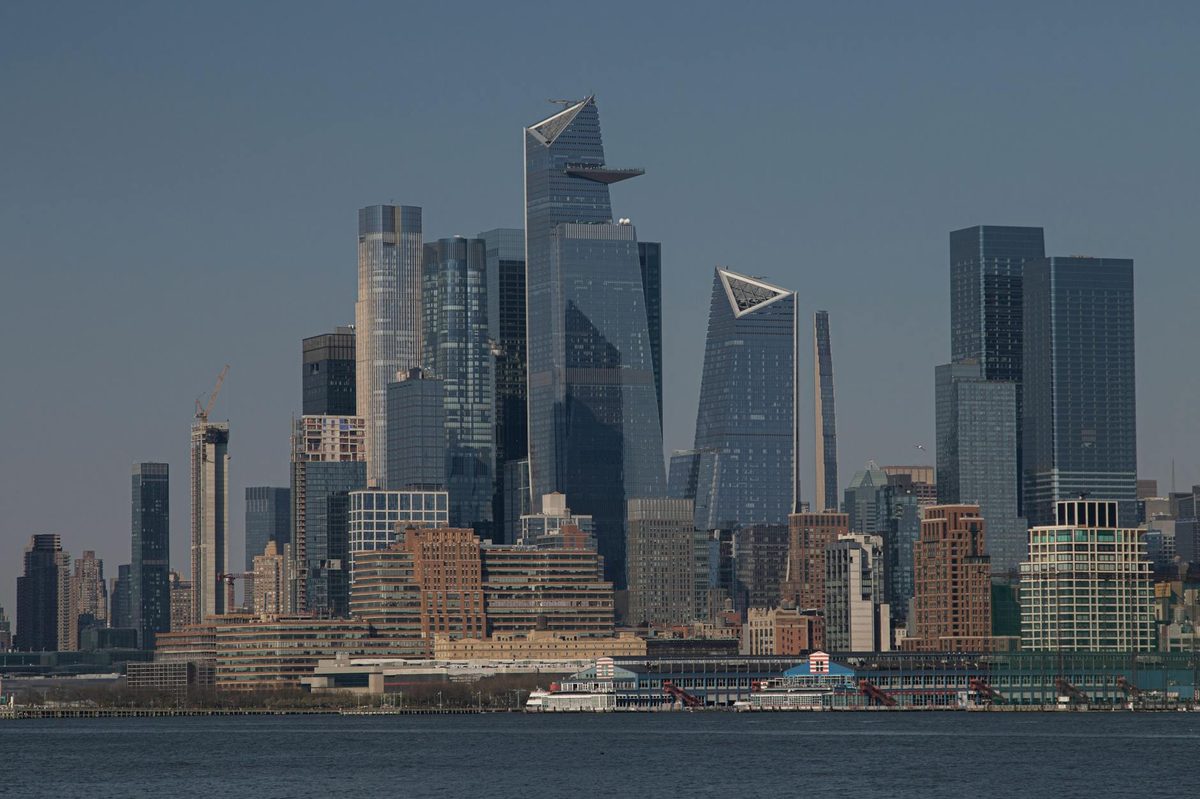
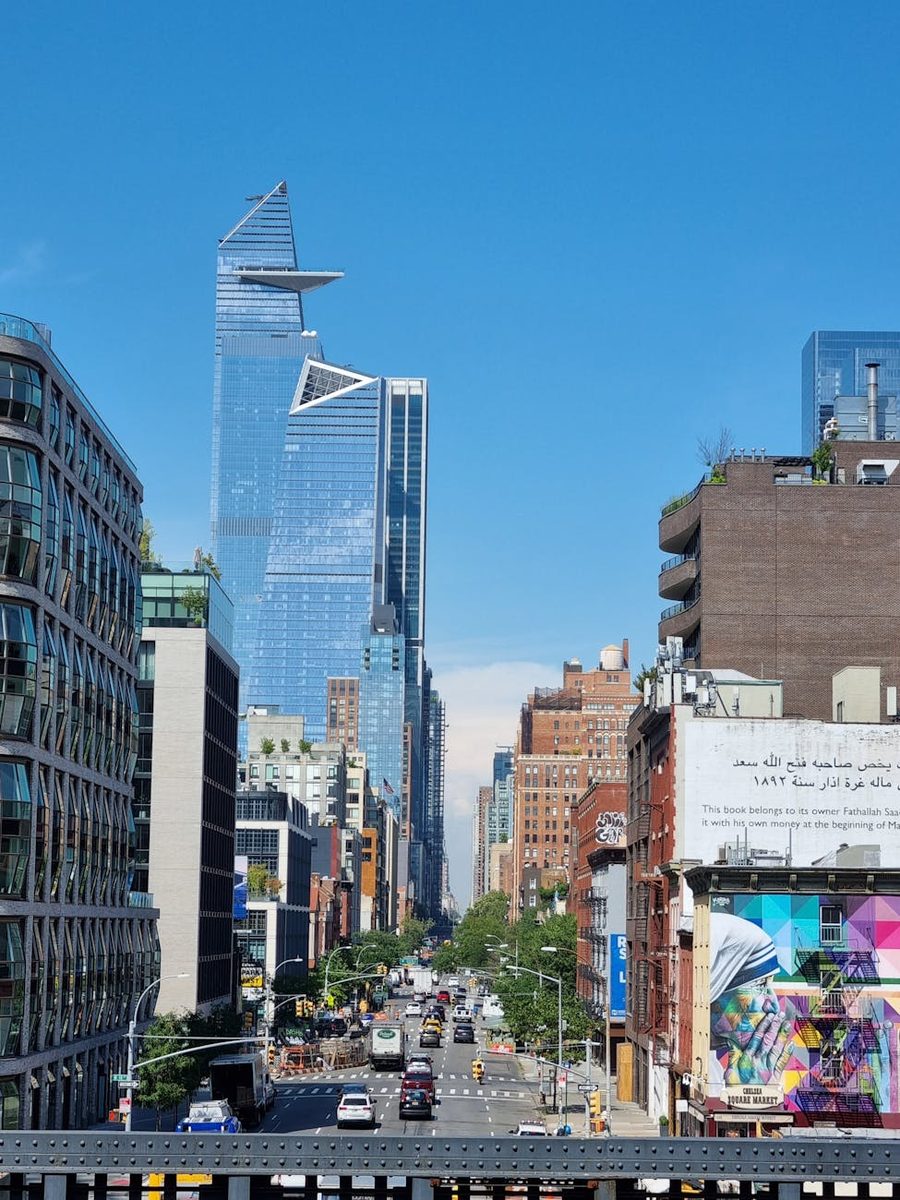
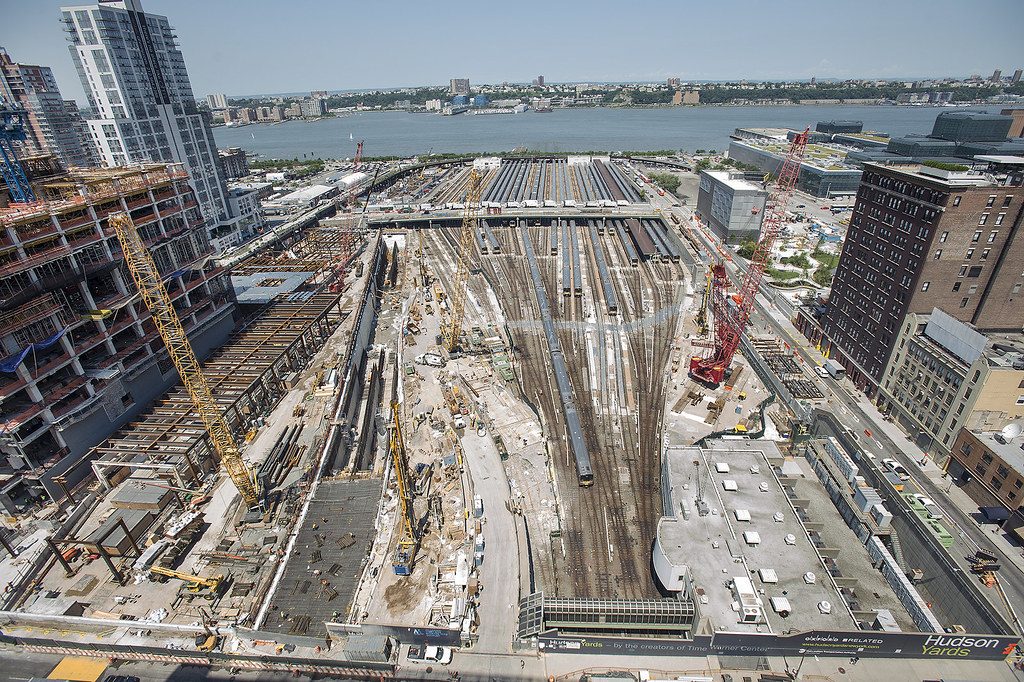
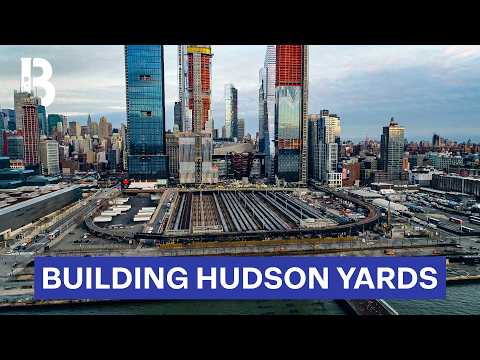
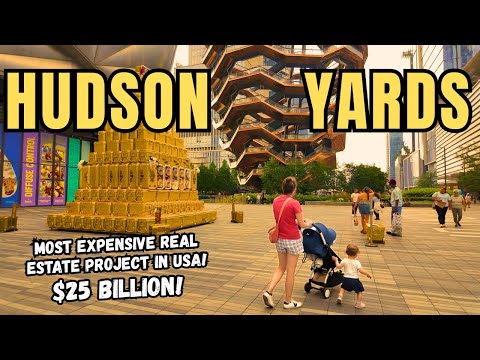
For nearly two decades, Hudson Yards has been New York City's defining megaproject: 28 acres of towers, retail, and public space built on a deck over active rail lines on Manhattan's far West Side. The eastern half is largely complete. The western half — 4,000 planned apartments anchored by a $2 billion publicly financed platform — just lost its political champion.

Why it matters

If the deal stays frozen, 4,000 planned apartments — including 625 affordable units — don't get built, and Manhattan's largest pending megaproject loses its anchor.

Key Indicators

$2B
Platform financing at stake
City-issued debt the deal would have used to build the deck over active rail yards.
4,000
Apartments planned
Residential units across four mixed-use towers proposed for the western site.
625
Affordable units committed
Minimum below-market apartments Related agreed to under the Adams-era deal.
28
Acres total
Full Hudson Yards footprint on Manhattan's West Side, split between eastern and western yards.
$6B
Cumulative public support
Estimated city outlays and tax breaks to Hudson Yards Phase 1, per outside analyses.

Interactive

Exploring all sides of a story is often best achieved with Play.

Ever wondered what historical figures would say about today's headlines?

Sign up to generate historical perspectives on this story.

Sign Up

Debate Arena

Two rounds, two personas, one winner. You set the crossfire.

People Involved

Organizations Involved

Timeline

  1. Mamdani steps back from the deal

    Statement

    Mayor's office says he is 'not actively engaged in negotiations to move this project forward at this time,' freezing the financing.

  2. Mamdani takes office

    Political

    New mayor sworn in; inherits the approved-but-unexecuted Hudson Yards financing structure.

  3. IDA approves tax exemption amendments

    Approval

    Industrial Development Agency clears tax-exemption changes that bring Related close to a $2B tax-supported package.

  4. Mamdani wins mayoral election

    Political

    Mamdani defeats Cuomo in race partly defined by opposition to developer subsidies; Related's Ross and Blau backed Cuomo.

  5. City Council approves Western Yards rezoning

    Approval

    Council clears the rezoning and PILOT framework needed to support 4,000 apartments and 2 million sq ft of office.

  6. Adams negotiates Western Yards platform deal

    Deal

    Mayor Adams and Related agree on a structure where the city issues ~$2B in debt for the platform, repaid by discounted developer taxes.

  7. Phase 1 opens

    Milestone

    Eastern Hudson Yards opens to the public with eight structures, retail, and public plaza.

  8. IDA grants $328M tax exemption

    Subsidy

    Industrial Development Agency approves a $328 million tax exemption for two Phase 1 towers, on top of an earlier $106 million exemption.

  9. Phase 1 groundbreaking

    Construction

    Construction begins on 10 Hudson Yards, the first tower on the eastern platform.

  10. Related takes over after financial crisis

    Deal

    Morgan Stanley withdraws; Related Companies and Goldman Sachs assume the lease on identical terms.

  11. Tishman Speyer wins original Hudson Yards lease

    Deal

    Tishman Speyer with Morgan Stanley wins MTA bid for a 99-year lease over the West Side Yard, committing $1 billion in rent.

Scenarios

1

Deal renegotiated with deeper affordability and smaller subsidy

Discussed by: The Real Deal, Commercial Observer, Manhattan Community Board 4

Mamdani uses the freeze as leverage to reopen terms: more affordable units beyond the 625 minimum, Related covering school construction, and a smaller city debt issuance. The platform still gets built, but the ratio of public cost to public benefit shifts. This is the path most consistent with Deputy Mayor Bozorg's 'meaningful public benefits' language.

2

Deal stays frozen, Western Yards stalls indefinitely

Discussed by: Norman Oder (substack), New York Communities for Change

Mamdani never re-engages; Related cannot finance the platform privately at this scale; the western half of Hudson Yards remains an active rail yard. Phase 1 stays the finished product. Critics treat this as a referendum that ends the era of city-financed luxury megaprojects in Manhattan.

3

Related restructures privately and scales the project down

Discussed by: CRE Daily, 6sqft

Without city-issued debt, Related raises private capital — likely with Oxford Properties or a sovereign partner — and builds a smaller version of the platform supporting fewer towers. Affordable housing commitments shrink alongside the scope. Project survives in diminished form on a longer timeline.

4

State or federal financing fills the gap

Discussed by: Yahoo News, The City

Albany or Washington steps in with infrastructure or housing funds to replace the city's role. Mamdani has separately asked the Trump administration for $21 billion for the Sunnyside Yard project, suggesting an appetite for federal-level deals on rail yard development. Political mismatch between a socialist mayor and a Republican White House makes this narrow.

Historical Context

West Side Stadium proposal blocked (2005)

June 2005

What Happened

Mayor Bloomberg and the Jets proposed a $2.2 billion stadium on the same West Side rail yards, with $600 million in public subsidies, partly to anchor New York's 2012 Olympic bid. State Assembly Speaker Sheldon Silver and Senate Majority Leader Joseph Bruno blocked the required public funding vote.

Outcome

Short Term

The stadium died, the Olympic bid collapsed, and the MTA reopened the rail yards to commercial bids.

Long Term

Bloomberg pivoted to the Hudson Yards rezoning, which produced the project Related now wants to expand. The same site has now been the subject of two megaproject fights twenty-one years apart.

Why It's Relevant Today

The exact parcel under dispute today was rescued for development only because political opposition killed the previous plan. It is a reminder that 'inevitable' megaprojects on this site have been canceled before.

Atlantic Yards/Pacific Park (2003-present)

2003-ongoing

What Happened

Forest City Ratner won approval to build a 22-acre development over Brooklyn rail yards with state subsidies, eminent domain, and the Barclays Center as anchor. Affordable housing targets slipped repeatedly, the developer changed hands, and most residential towers are still unbuilt more than 20 years in.

Outcome

Short Term

Barclays Center opened in 2012; some residential towers followed.

Long Term

The bulk of promised affordable housing remains unbuilt; the project became the canonical New York example of a megaproject that received public support and underdelivered on its commitments.

Why It's Relevant Today

Atlantic Yards is the cautionary tale that anti-subsidy critics cite directly when arguing against the Hudson Yards platform deal. If the project follows a similar trajectory, the 625 affordable units could take decades to materialize.

Westway killed (1985)

September 1985

What Happened

Westway was a $2 billion plan to bury a stretch of the West Side Highway and create 220 acres of new Manhattan land for development. After a decade of planning and federal commitments, a federal judge blocked it over landfill impacts on striped bass habitat, and Governor Mario Cuomo declined to revive it.

Outcome

Short Term

Federal highway funds were swapped for mass transit, eventually funding the 7 train extension that now serves Hudson Yards.

Long Term

The West Side Highway was rebuilt at grade and Hudson River Park rose on the waterfront — a different, less subsidized vision of West Side development.

Why It's Relevant Today

Westway shows that politically blessed West Side megaprojects can be killed late in the process, and that the alternative is not always 'nothing built' — it's often a different, less developer-friendly version of the same goal.

Sources

(10)