
Pull to refresh
Logo
Daily Brief
Following
Why Ranks Sign Up
India and New Zealand build a defence and trade framework in the Indo-Pacific

India and New Zealand build a defence and trade framework in the Indo-Pacific

Rule Changes

Modi's Auckland visit turns a 40-year diplomatic gap into base access, a trade fast-track, and standing security dialogues

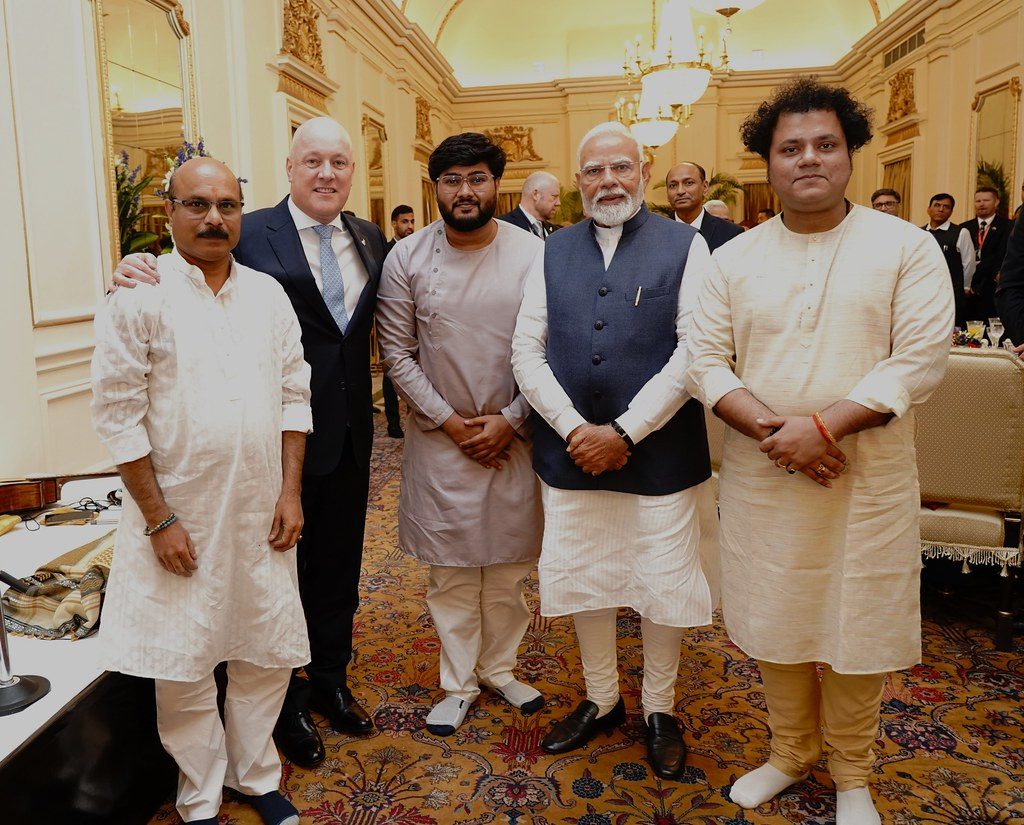
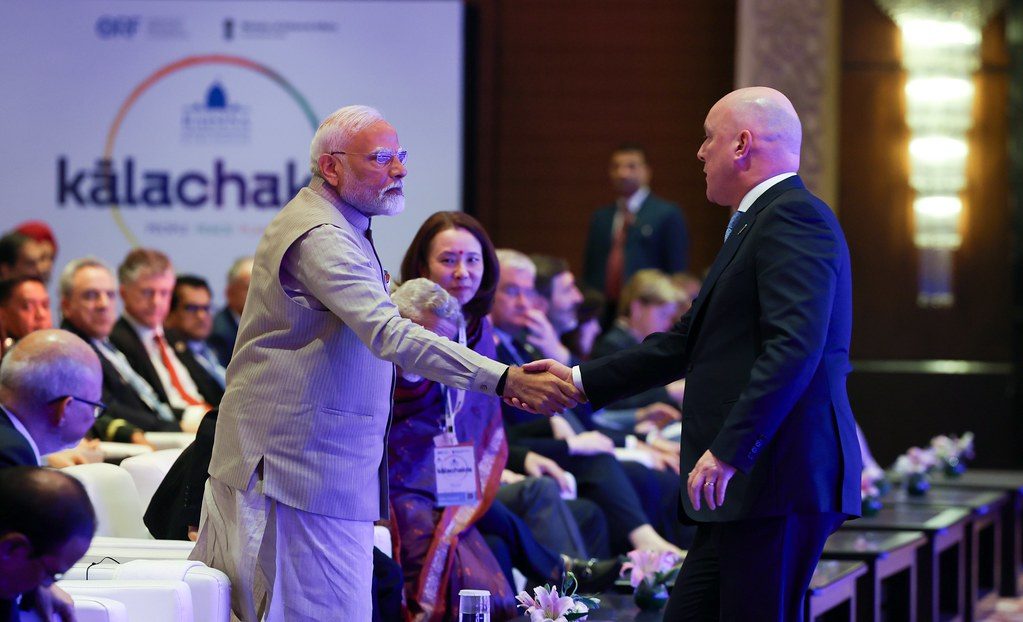
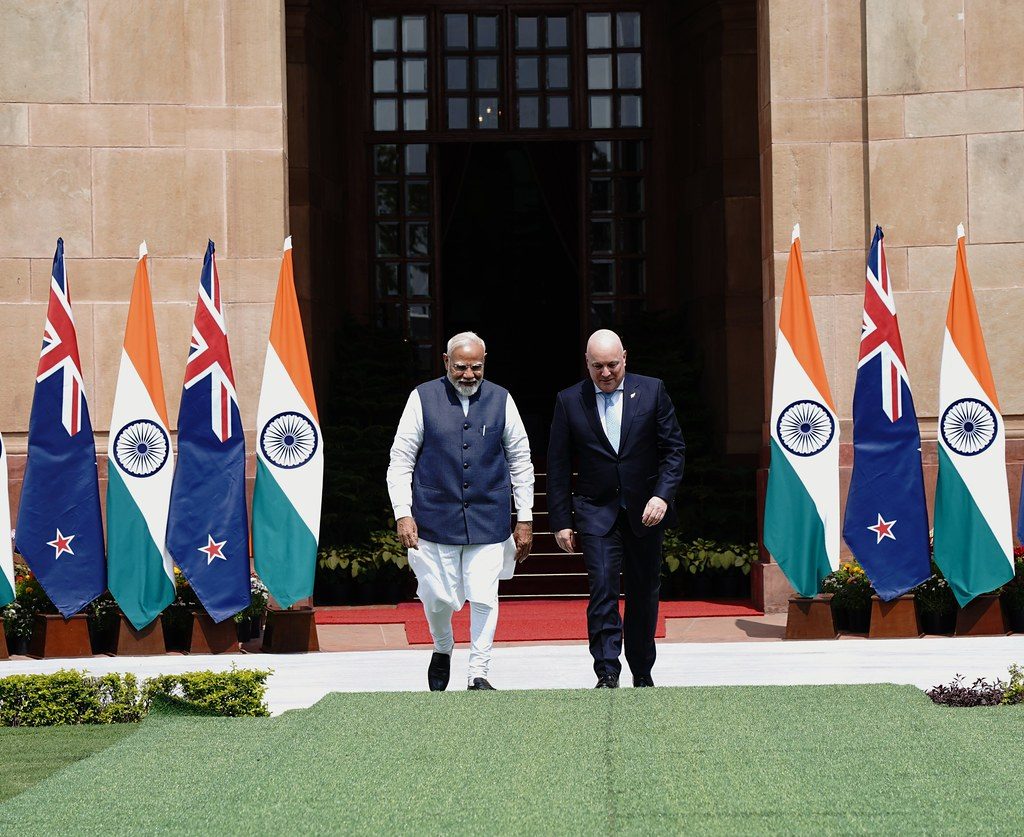
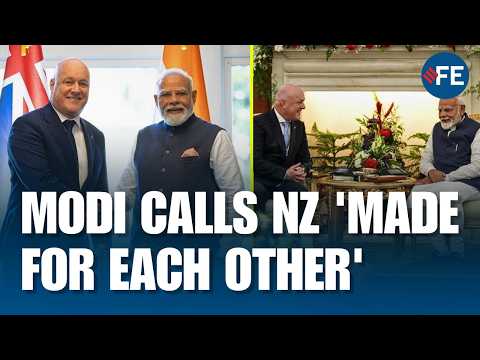
Today: Modi and Luxon sign strategic partnership in Auckland

Overview

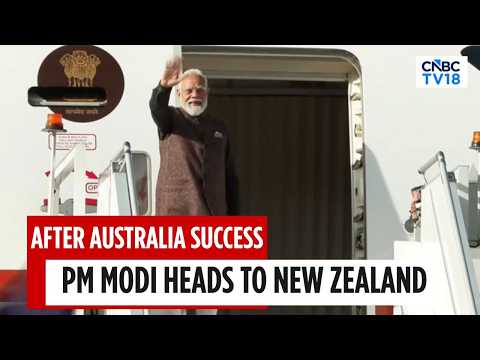
No Indian prime minister had set foot in New Zealand for 40 years. On July 11, 2026, Narendra Modi ended that gap in Auckland by signing a package that lets Indian and New Zealand warships refuel and repair at each other's bases.

The two countries turned a friendly but thin relationship into binding machinery: a logistics pact, an annual maritime security dialogue, a counter-terrorism working group, and a push to bring their new trade deal into force. The agreements outlast any single government, which is the point.

Why it matters

India gains a friendly refuelling and repair stop in the South Pacific, extending how far and how long its navy can operate east of the Indian Ocean.

Questions about this story

No questions yet — be the first to ask.

Key Indicators

40 years
Since the last Indian PM visit
Rajiv Gandhi was the last Indian prime minister to visit, in October 1986.
100%
Indian exports going duty-free
New Zealand drops tariffs on all Indian goods once the trade deal takes effect.
~95%
NZ exports getting cuts
India cuts or removes tariffs on about 95% of New Zealand's export value.
Rs 35,000 cr
2030 bilateral trade target
The leaders aim to roughly double two-way trade by 2030.

Voices

Curated perspectives — historical figures and your fellow readers.

Ever wondered what historical figures would say about today's headlines?

Sign up to generate historical perspectives on this story.

Play

Exploring all sides of a story is often best achieved with Play.

Log in to play. Track your picks, climb the leaderboards. Log in Sign Up
Predict 3 ways this could play out. Contrarian picks score more — points lock when the scenario resolves. Log in to play
Higher or Lower Two numbers from this story. Guess which is bigger. 5 rounds to set a streak. Log in to play
Connections Sixteen names from the news. Find the four hidden groups of four. Log in to play

People Involved

Organizations Involved

Timeline

October 1986 July 2026

4 events Latest: Today
Tap a bar to jump to that date
  1. Modi and Luxon sign strategic partnership in Auckland

    Today Diplomacy

    The leaders elevated ties to a strategic partnership, signed the logistics pact, and adopted a Roadmap to 2030.

  2. Free trade agreement signed in New Delhi

    Trade

    Trade ministers Todd McClay and Piyush Goyal signed the FTA, cutting tariffs on nearly all two-way trade.

  3. India and New Zealand sign a Defence Cooperation Agreement

    Defence

    The framework agreement set up the structure that the 2026 logistics pact builds on.

  4. Rajiv Gandhi visits New Zealand

    Background

    The last visit by an Indian prime minister before 2026, setting up a 40-year gap.

Historical Context

2 moments from history that rhyme with this story — and how they unfolded.

August 2016

India–US logistics agreement, LEMOA (2016)

India and the United States signed the Logistics Exchange Memorandum of Agreement after more than a decade of Indian hesitation. It let each military use the other's bases for refuelling and resupply, without creating a formal alliance.

Then

Indian and US ships and aircraft began using each other's facilities for logistics, easing joint operations in the Indian Ocean.

Now

It became the template for a string of similar Indian logistics pacts with France, Australia, Japan, and others.

Why this matters now

The New Zealand logistics arrangement follows the same LEMOA model: base access for supplies, no binding commitment to fight together.

April 2022

Australia–India Comprehensive Economic Cooperation Agreement (2022)

Australia and India signed an interim trade deal cutting tariffs on most goods after years of stalled talks. It paired with deeper defence ties as both countries worked through the Quad grouping.

Then

Tariffs fell on Australian wine, coal, and farm goods, and on Indian textiles and engineering products.

Now

Two-way trade grew and the deal set a path toward a broader economic agreement still being negotiated.

Why this matters now

It shows the same trade-plus-defence pairing New Zealand is now attempting, and offers a benchmark for how fast tariff cuts turn into trade growth.

Sources

(5)