



Pull to refresh
Logo
Indonesia's central bank raises rates to 6% to defend the rupiah

Indonesia's central bank raises rates to 6% to defend the rupiah

Money Moves

Bank Indonesia's quarter-point move extends 125 basis points of tightening since May, as political turmoil and an expected Fed hike drain confidence in the currency.

Overview

Updated 1 hour ago

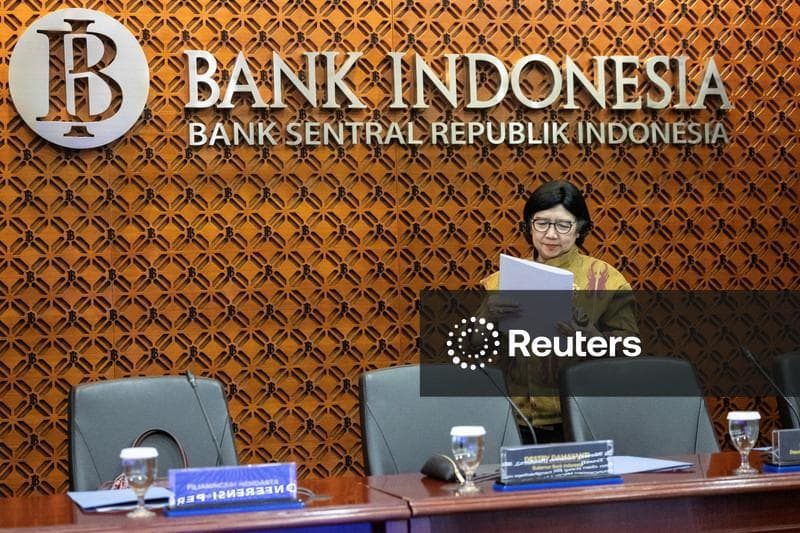
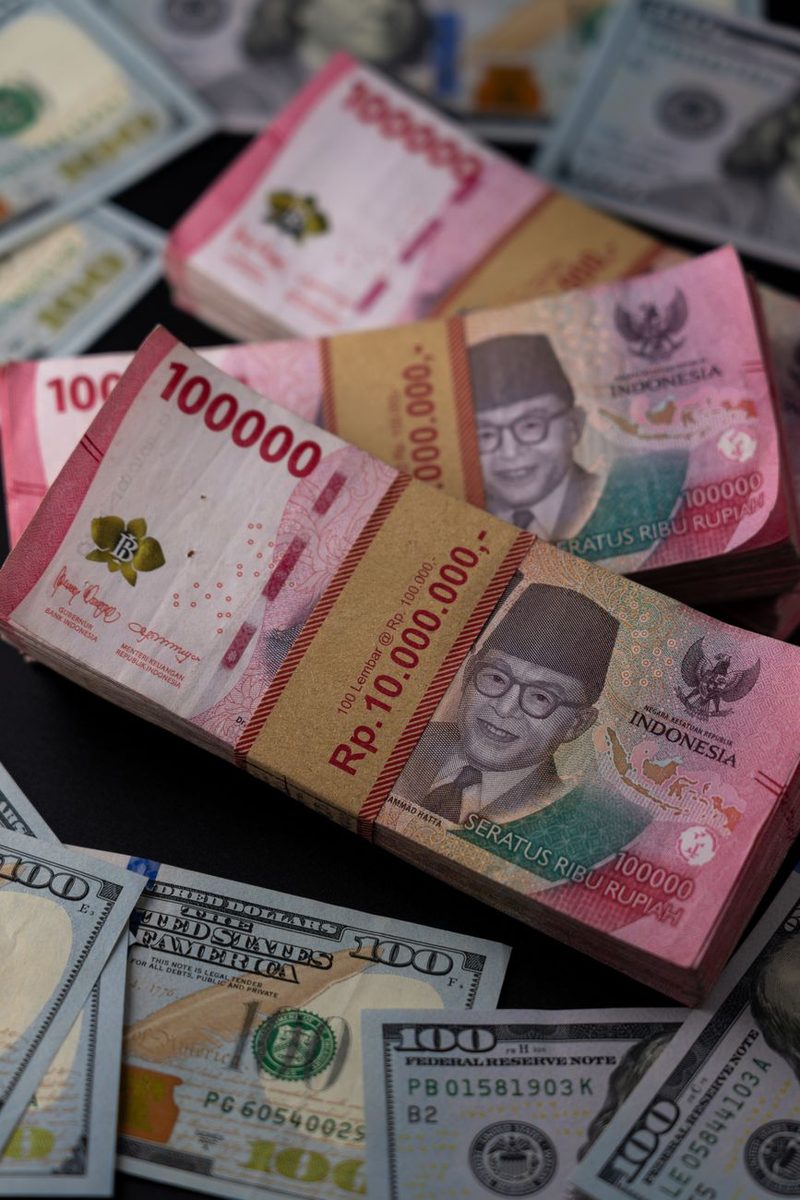
Bank Indonesia raised its benchmark rate to 6.00% on 18 November, the highest since January 2025, a day after the rupiah touched an all-time low of 18,285 per dollar. The quarter-point move extends a tightening cycle that has added 125 basis points since May.

The rupiah is the weakest currency in emerging Asia this year. Fiscal worries, political turmoil and a possible MSCI downgrade of Indonesia's stock market have pushed foreign money out, and an expected Federal Reserve hike in December would widen the yield gap further. Higher rates are the central bank's main tool for making rupiah assets worth holding, and the cost lands on borrowers.

Why it matters

A rupiah stuck at record lows sets the price Indonesians pay for imported fuel and food, and the size of the subsidy bill that hides it.

Questions about this story

Free account needed to ask — your question is kept and asked for you right after sign-up. Answers are public.

No questions yet — be the first to ask.

Key Indicators

6.00%
BI-Rate
Bank Indonesia's benchmark seven-day reverse repurchase rate, the highest since January 2025.
125 bp
Tightening since May 2026
Total rate increases delivered by Bank Indonesia over seven months.
18,285
Rupiah record low, per US dollar
All-time low reached on 17 November 2026; the rupiah traded near that level after the decision.
3.23%
October inflation
Inside Bank Indonesia's 1.5% to 3.5% target band despite the currency's slide.
5.47%
Third-quarter GDP growth, year on year
Up from 5.29% in the second quarter, but short of the president's 8% goal for 2029.

Voices

Curated perspectives — historical figures and your fellow readers.

Sign up to generate historical perspectives on this story.

People Involved

Organizations Involved

Timeline

May 2026 November 2026

6 events Latest: 3 days ago
Tap a bar to jump to that date
  1. Bank Indonesia raises the BI-Rate to 6.00%

    Latest Monetary policy

    A quarter-point hike lifts the benchmark to its highest since January 2025; the rupiah barely moves.

  2. Rupiah hits record low of 18,285 per dollar

    Markets

    The currency posts an all-time low and trades near it into the next day.

  3. Third-quarter growth accelerates to 5.47%

    Data

    Growth picks up from 5.29%, but remains below the president's 8% target for 2029.

  4. Vice president resigns; wiretapping case widens

    Politics

    Four senior police officers are implicated in tapping the president's phone.

  5. Inflation eases to 3.23%

    Data

    Price growth stays inside the 1.5% to 3.5% target band despite the weaker currency.

  6. Bank Indonesia begins tightening

    Monetary policy

    The central bank starts a cycle that adds 125 basis points by November.

Scenarios

1

Bank Indonesia follows the Fed to 6.50% or higher

Likely Resolves by End of 2027

Discussed by: Barclays, Bank Permata and Capital Economics

Barclays expects a peak of 6.75% in mid-2027; Bank Permata and Capital Economics both see 6.50% by the end of 2027. The trigger is a Federal Reserve increase, which markets price at about 95% for the first half of 2027, plus continued weakness in the rupiah. Bank Indonesia holds for the rest of 2026 and then moves again with Washington.

2

Rupiah steadies and the benchmark holds at 6.00%

Possible Resolves by Q2 2027

Discussed by: BCA research

If the rupiah stops sliding and inflation stays near 3%, Bank Indonesia can leave the benchmark unchanged. BCA's research note expects a hold for the rest of this year, with any further move tied to the Federal Reserve rather than to domestic conditions. A steady currency would also ease the pressure that a possible MSCI review puts on equity outflows.

3

MSCI downgrades Indonesia, adding a second wave of outflows

Unlikely Resolves by Q2 2027

Discussed by: Bank Indonesia officials and sell-side analysts cited in local coverage

MSCI has raised concerns about Indonesia's stock market, and a reclassification would force index-tracking funds to sell. Bank Indonesia has said the announcement alone does not threaten its inflation target. A downgrade combined with a Fed hike would put the rupiah under pressure that rate increases alone may not absorb.

Historical Context

3 moments from history that rhyme with this story — and how they unfolded.

July 1997 - January 1998

Asian financial crisis in Indonesia (1997-98)

The rupiah fell from about 2,400 per dollar in mid-1997 to below 16,000 by January 1998 as regional capital fled. Bank runs and subsidy cuts followed, and inflation passed 50%.

Then

Indonesia took a $40 billion International Monetary Fund program, and President Suharto resigned in May 1998.

Now

The country floated the rupiah, rebuilt reserves to record levels, and gave Bank Indonesia formal independence and an inflation target in 1999.

Why this matters now

Today's slide is far smaller, but it again pairs currency pressure with political strain, and the 1997 lesson is why Bank Indonesia moves early rather than late.

2018 - 2021

Turkey's rate fight (2018-2021)

President Recep Tayyip Erdogan pressed for lower interest rates while inflation climbed. He dismissed three central bank governors between 2019 and 2021, and the lira lost more than 40% against the dollar in 2021 alone.

Then

Successive policy reversals failed to stop the currency's decline, and inflation ended 2021 near 36%.

Now

Turkey eventually returned to sharp rate increases in 2023, but only after years of eroded central bank credibility.

Why this matters now

It shows what happens when political pressure on a central bank wins. Bank Indonesia is testing the opposite path, raising rates before the currency forces its hand.

May - September 2013

India's taper-tantrum defense (2013)

The rupee fell to a record near 69 per dollar after the Federal Reserve signaled it would slow bond purchases. The Reserve Bank of India raised short-term rates and tightened liquidity through the summer.

Then

The rupee stabilized by autumn, but growth slowed and industrial output contracted.

Now

India rebuilt reserves and narrowed its current-account deficit, which left it far more resilient in later Fed cycles.

Why this matters now

An emerging-market central bank using rate hikes to defend a currency against Fed-driven outflows, and paying for it in slower growth, is the trade Bank Indonesia just made.

Sources

(10)